

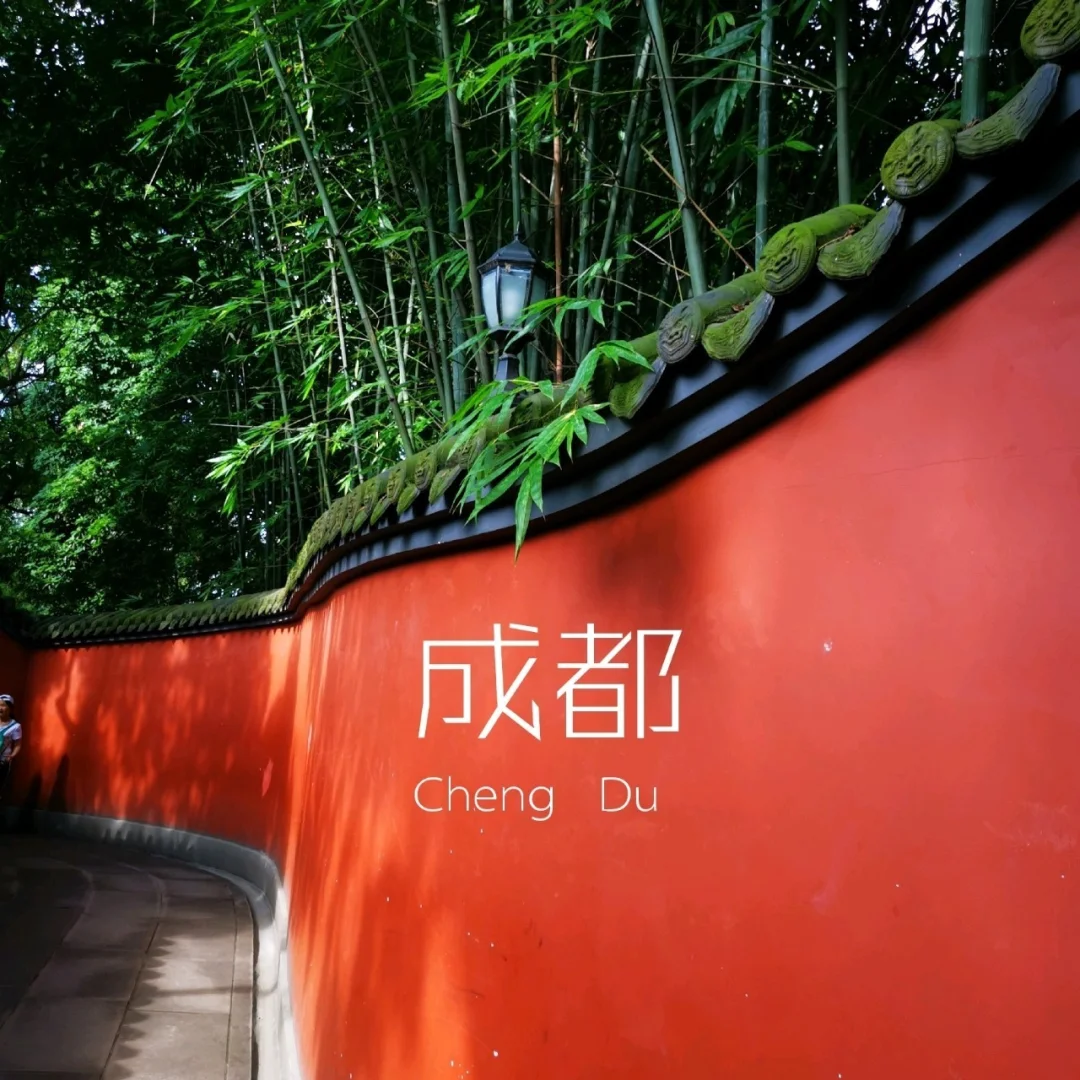
Keywords: Sichuan travel guide, Mount Siguniang hiking, Hailuogou glacier forest, Lizhuang ancient town, Sichuan tea culture, Qiang watchtowers, Tibetan Sichuan culture, off the beaten path China
Most visitors associate Sichuan with pandas and spicy food. But beyond the familiar icons lies a province of glacier valleys, Himalayan foothills, riverside scholarly towns, and minority cultures where you can join daily life, not just observe it.
This guide highlights places foreigners rarely find, spots locals genuinely use, and hands-on cultural experiences across western and southern Sichuan.
🏔️ Alpine Silence at Mount Siguniang National Park


6
Nicknamed the “Four Sisters Mountains,” this park offers boardwalk valleys for gentle walks and longer treks through pine forests and yak meadows.
Why foreigners love it
- Himalayan-scale scenery without extreme trekking logistics
- Tibetan villages and prayer flags woven into daily landscapes
Join in
- Rent a horse with locals for part of Changping Valley
- Share butter tea in a village guesthouse after your hike
❄️ Forest, Ice & Steam at Hailuogou Glacier Forest Park


7
Few places let you see a glacier, walk a temperate forest, and soak in hot springs on the same day.
Why it’s memorable
- Rare glacier access at relatively low altitude
- Contrasts: ice above, steaming pools below
Join in
- Take the cable car early, then descend on foot through forest trails
- End your day in outdoor hot springs with mountain air
🏮 Scholar’s Refuge in Lizhuang Ancient Town


6
During wartime, scholars relocated here, turning this river town into a temporary academic capital. Today it’s calm, thoughtful, and deliciously local.
Why foreigners love it
- Human stories of resilience and learning
- Teahouses ideal for slow cultural immersion
Join in
- Practice calligraphy with a teahouse regular
- Try Lizhuang’s famous tofu pudding from a morning vendor
🗼 Stone Sentinels of the Qiang at Taoping Qiang Village


8
A maze of stone alleys and ancient watchtowers, Taoping preserves Qiang defensive architecture and mountain life.
Why it stands out
- Labyrinth design unlike Han Chinese towns
- Visible traditions: embroidery, maize drying, rooftop life
Join in
- Learn basic Qiang embroidery patterns from local artisans
- Climb a watchtower for valley views at sunset
🍃 Everyday Tea Culture in Rural Sichuan Teahouses
Skip big-city cafés. In small towns, bamboo chairs spill onto sidewalks where tea is refilled endlessly.
What to do
- Sit for an hour and people-watch with jasmine tea
- Play simple card games locals will happily teach you
- Listen to Sichuan dialect chatter and street rhythms
🥾 Village Trails & Farm Paths Near the Tibetan Border
Between major sights are footpaths linking hamlets, barley fields, and prayer-flag bridges.
What to do
- Walk short sections between villages instead of driving
- Help herders guide yaks across shallow streams
- Photograph daily farm routines with permission
Flavors You’ll Remember
- Fresh mountain mushrooms stir-fried simply
- Hand-ground chili sauces made at home
- Barley cakes and yak yogurt in Tibetan areas
Ask for the busiest small eatery at dusk.
Practical Tips for Foreign Travelers
- Best seasons: May–June, Sept–Oct for clear mountain views
- Transport: Private driver helps reach valleys and villages efficiently
- Altitude: Ascend gradually when heading west
- Etiquette: Accept tea with both hands; ask before photos
Why This Side of Sichuan Changes Your Trip
This is a Sichuan of glaciers and scholars, watchtowers and teahouses, Tibetan valleys and Qiang stone mazes. It rewards travelers who slow down, sit with locals, and trade checklists for conversations.
If you want Sichuan to feel personal, participatory, and deeply human, follow these paths.