Keywords: Yunnan travel guide, Tea Horse Road history, Dali Erhai cycling, Shaxi Ancient Town, Jianshui Confucian Temple, Yuanyang rice terraces, Yunnan ethnic culture
Yunnan rewards travelers who trade speed for attention. Here, ancient caravan paths still connect market towns, tea leaves are pressed by hand in mountain courtyards, and lakeside mornings begin with quiet rituals instead of traffic. If you want a China journey built on walking, tasting, learning, and listening, Yunnan offers living culture at human scale—where history is not behind glass but under your feet.
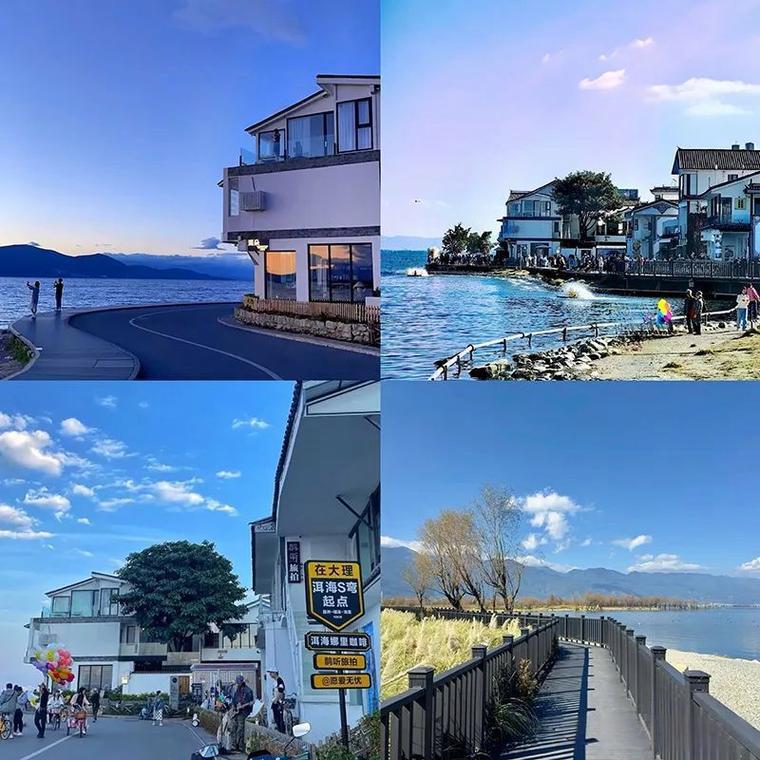
🚲 Lakeside Life Around Erhai Lake — Cycle, Sip Tea, Watch the Light Change


8
A gentle cycling road circles villages where Bai families host tea in sunlit courtyards.
Interactive ideas
- Stop for a Bai three-course tea ritual and learn why each cup tastes different.
- Browse a small village market for herbs and lake fish before noon.
Why foreigners love it: A scenic loop that feels like a neighborhood, not a highway.
🐎 Caravan Echoes in Shaxi Ancient Town — The Surviving Stage of the Tea Horse Road


7
Once a vital stop on the Tea Horse Road, Shaxi’s square still hosts lively market days.
Interactive ideas
- Walk cobblestone lanes imagining mule caravans arriving at dusk.
- Visit a restored caravan inn and chat with the caretaker about trade history.
Why foreigners love it: Silk Road history you can wander without crowds.
🏛️ Scholarship and Stone at Jianshui Confucian Temple


6
One of China’s largest Confucian temple complexes, paired with a scholarly old town.
Interactive ideas
- Practice brush calligraphy in a quiet courtyard.
- Taste Jianshui’s famous tofu near the old wells where water shapes the flavor.
Why foreigners love it: Intellectual history paired with street-level food culture.
🌾 Sculpted Horizons at Yuanyang Rice Terraces


6
Hani communities have shaped these terraces for over a millennium into sky-mirroring curves.
Interactive ideas
- Watch how water is redirected by hand along terrace lips.
- Visit a Hani “mushroom house” to understand climate-smart design.
Why foreigners love it: Living engineering that doubles as landscape art.
🍃 Tea Craft in the Hills near Jingmai Mountain


7
Ancient tea forests supply leaves that are still pan-fired and stone-pressed by hand.
Interactive ideas
- Join a short picking session and learn leaf selection.
- Press a small Pu’er cake and taste fresh vs. aged tea.
Why foreigners love it: A direct line from forest to cup.
🥢 Yunnan Flavors You Can Help Prepare


5
Herbs, mushrooms, mint, lime, and gentle heat define many local dishes.
Interactive ideas
- Assemble “Crossing the Bridge Noodles” by adding ingredients to hot broth yourself.
- Identify wild mushrooms at a morning market with a vendor’s guidance.
Why foreigners love it: Fresh, aromatic flavors and hands-on cooking moments.
Suggested 5-Day Yunnan Cultural Route
Day 1: Erhai Lake cycling + Bai tea ritual
Day 2: Shaxi market square + caravan inn visit
Day 3: Jianshui temple courtyards + tofu tasting + Double Dragon Bridge sunset
Day 4: Yuanyang terraces sunrise + Hani village walk
Day 5: Jingmai tea forest experience + tea pressing
Practical Tips for Foreign Travelers
- Start early for terrace and lake light conditions
- Wear grippy shoes for stone lanes and field paths
- Carry small cash for markets and tea workshops
- Ask before photographing people at work
- Bring layers—mountain mornings can be cool
Closing Reflection
Yunnan doesn’t compete for attention; it earns it slowly. You notice the way tea steam curls in a courtyard, how terrace water mirrors the sky, how market chatter drifts across an old square where caravans once arrived. This is travel measured in conversations, sips, steps, and quiet observations. And long after the journey ends, Yunnan lingers—not as a checklist of sights, but as a rhythm you learned to follow.

发表回复