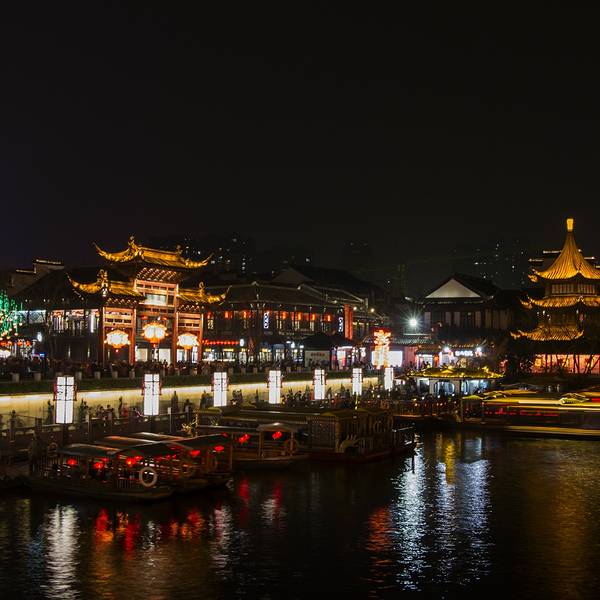
Nanjing is a city where China’s timelines overlap in plain sight. You can trace imperial ambition along ancient brick ramparts in the morning, sip coffee on a leafy Republican-era boulevard by noon, and climb a forested mountain at dusk where poets, monks, and students have all paused to think. For first-time international visitors, Nanjing is not a museum—it’s a walkable narrative. This guide blends headline history with local rhythms and hands-on moments you can join.
Walk the Ramparts of the Ming City Wall (Nanjing)


6
Built in the 14th century, these colossal walls still cradle the old city. Look closely at the bricks—many are stamped with the names of the workers and officials who made them.
Interactive idea: Start near a quiet gate in late afternoon and walk a long stretch as locals jog, read, and watch the light change over the city.
History in a Forest: Dr. Sun Yat-sen’s Mausoleum on Purple Mountain (Zijin Shan)


6
Climb the grand stairway through cypress and pine to a monument central to modern Chinese history. The surrounding mountain park is a local favorite for hiking and reflection.
Interactive idea: Continue onto wooded trails after the mausoleum visit—join retirees practicing breathing exercises under the trees.
A Street That Time Forgot: Laomendong


6
Grey-brick lanes, lantern light, and courtyard teahouses make Laomendong ideal for slow wandering. Craftspeople still practice sugar painting and paper cutting here.
Interactive idea: Try making a sugar painting with a street artisan, then rest in a courtyard café to watch neighborhood life pass.
Literature by the Water at Qinhuai River & Confucius Temple (Nanjing)


7
This riverside quarter inspired scholars for centuries. By night, lantern reflections turn bridges and eaves into moving paintings.
Interactive idea: Take a short evening boat ride, then sample duck blood vermicelli soup from a busy stall—follow the locals.
Quiet Grandeur at the Xiaoling Mausoleum of the Ming Dynasty


7
A forested “spirit way” lined with monumental stone animals leads you into imperial stillness. It’s atmospheric in any season, especially autumn.
Interactive idea: Walk the avenue slowly and photograph each guardian statue from the same angle—notice their expressions change.
Campus Calm at Nanjing University
Tree-lined paths and historic buildings make this campus a peaceful interlude. Students read on lawns and debate ideas in shaded courtyards.
Interactive idea: Grab a coffee nearby and sit with a book—blend into local academic life for an hour.
What (and How) to Eat in Nanjing
- Salted duck, delicately spiced and sliced thin
- Duck blood vermicelli soup, rich and warming
- Sesame flatbread baked in clay ovens
Tip: Ask for small portions and try more dishes—Nanjing cuisine rewards curiosity.
Suggested 2–3 Day Nanjing Itinerary
Day 1: Ming City Wall walk → Laomendong crafts & snacks → Qinhuai River night
Day 2: Sun Yat-sen’s Mausoleum → Purple Mountain trails → Xiaoling Mausoleum
Day 3: Slow morning near Nanjing University → café time → souvenir hunting
Practical Tips for First-Time Visitors
- Best time to visit Nanjing: March–May, October–November
- Pacing: Mix historical sites with green spaces to avoid fatigue
- Etiquette: Many sites are memorial spaces—keep voices low and be respectful
- Getting around: Metro + walking is efficient and visitor-friendly
Why Nanjing Feels Personal
Nanjing doesn’t overwhelm you with spectacle; it invites you into continuity. Bricks stamped with forgotten names, forest paths climbed by generations, riverbanks where poems once formed—these details accumulate into a quiet intimacy. You come to see history and leave feeling like you briefly belonged to it. In Nanjing, the past isn’t behind glass; it’s under your feet.
发表回复