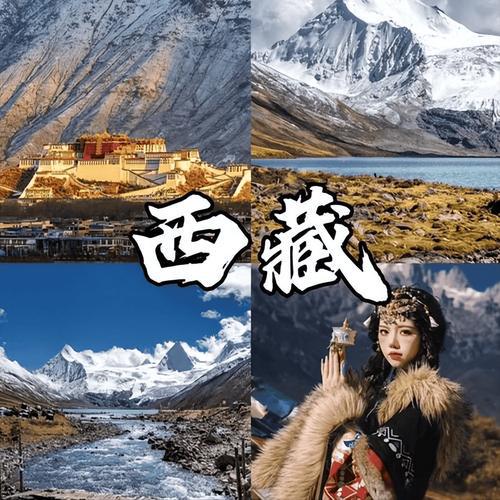
There are journeys measured in miles, and others measured in meaning. Traveling across Tibet Autonomous Region is the latter. At over 4,000 meters above sea level, prayer flags snap in thin air, monasteries cling to mountain slopes, and turquoise lakes mirror Himalayan skies so clearly they seem unreal.
Tibet is not a place you rush through. You walk clockwise with pilgrims, pause for butter tea in sunlit courtyards, listen to monks debating philosophy, and watch dawn spill gold across snow peaks. This guide invites foreign travelers to participate in Tibet’s living culture—through movement, ritual, landscape, and quiet attention.
Lhasa’s Spiritual Heart: Jokhang Circuit and Old Streets


7
Jokhang Temple & Barkhor Street
Pilgrims circle Jokhang Temple clockwise from dawn to night along Barkhor Street, spinning prayer wheels and murmuring mantras.
Join respectfully:
- Walk the kora route clockwise with locals
- Visit rooftop viewpoints for golden roof details
- Rest in small teahouses inside old alleys
Potala Palace: The Mountain Palace of the Dalai Lamas


6
Potala Palace
Rising above Lhasa, the Potala is both architectural wonder and spiritual symbol.
Experience tip:
- Visit in the morning for clearer light
- Notice murals, chapels, and meditation rooms inside
- Photograph reflections from the pond below at dusk
Sera Monastery Debates: Living Buddhist Philosophy


7
Sera Monastery
Each afternoon, monks gather to debate Buddhist philosophy with animated gestures and clapping.
What to do:
- Observe quietly from the courtyard edge
- Listen to rhythm and emotion of the exchanges
- Ask guides to explain debate topics afterward
Yamdrok Lake: Turquoise Sacred Waters


8
Yamdrok Lake
One of Tibet’s holiest lakes, Yamdrok’s color shifts with the light from deep blue to bright turquoise.
Interactive moment: stop at high passes to hang prayer flags and share butter tea with roadside herders.
Gyantse & Kumbum Stupa: A Walk Through Symbolic Art


7
Kumbum Stupa Gyantse
Inside the Kumbum are dozens of chapels stacked vertically, each filled with murals and statues.
How to explore: climb slowly from chapel to chapel, noticing how art changes by level.
Everest Base Camp (North Face): Standing Before the World’s Highest Peak


7
Everest Base Camp Tibet
Approaching Everest across the plateau feels like entering another planet of rock, wind, and sky.
Memorable experience:
- Stay overnight in simple tent lodges
- Wake before dawn to see the summit turn gold
- Visit Rongbuk Monastery, the world’s highest monastery nearby
Tibetan Butter Tea, Tsampa, and Monastery Kitchens
Tibetan cuisine
Food here reflects altitude and climate:
- Butter tea shared in wooden bowls
- Tsampa (roasted barley flour) mixed by hand
- Hearty yak meat stews
Best way to try: accept tea when offered in homes or monastery guesthouses.
Tibet Changes Your Sense of Distance and Time
Travelers often arrive in Tibet expecting dramatic scenery. They leave remembering something quieter: the rhythm of prayer wheels, the echo of monk debates, the taste of salty butter tea, and the way mountains seem to slow your thoughts.
In Tibet, you don’t just visit landmarks—you walk with pilgrims, sit with monks, breathe thin mountain air, and witness how landscape and belief shape daily life. It’s a journey that stays with you long after you’ve descended from the plateau.
发表回复