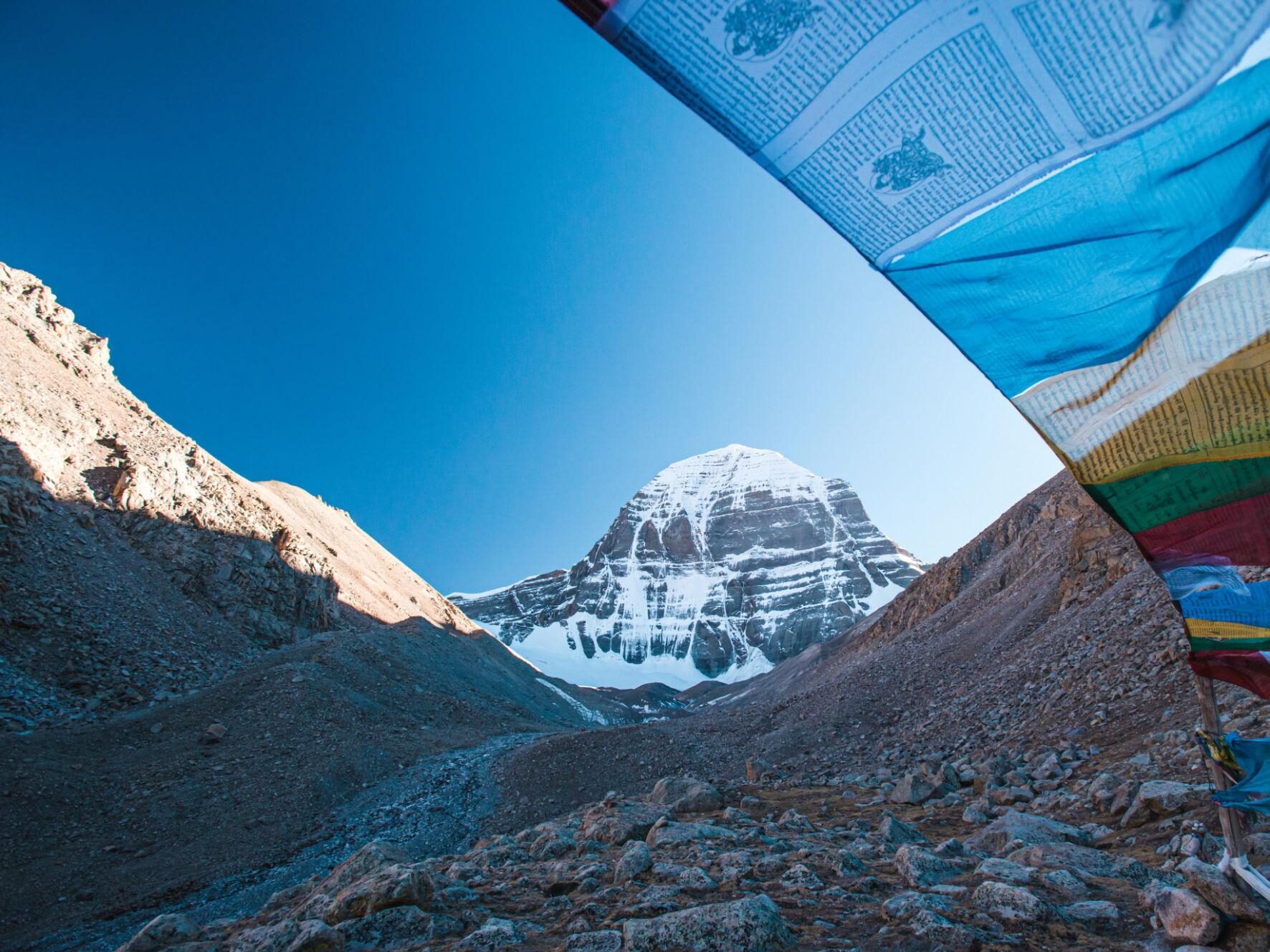
There are journeys you take for scenery, and there are journeys you take for meaning. Traveling to western Tibet in the Year of the Horse is the latter. Across the plateau, pilgrims whisper that a single circuit around Mount Kailash in this zodiac year equals many lifetimes of merit. But even if you arrive without religious intent, you will feel the gravity of this place: wind over high passes, the murmur of mantras on dusty trails, and strangers sharing tea like old friends at 4,700 meters. This guide is for travelers who want to walk with pilgrims, learn local rituals, and experience Tibet as a lived spiritual landscape, not a checklist.
The Sacred Circuit of Mount Kailash (Kora Trek)


7
The 52 km kora (circumambulation) typically takes three days, crossing the 5,630 m Drolma La pass. In the Year of the Horse, the trail fills with Tibetan, Indian, and Nepalese pilgrims performing prostrations or walking in quiet rhythm.
How to participate
- Walk clockwise with the flow of pilgrims
- Carry a small string of prayer flags to hang at the pass
- Share trail snacks and tea breaks — conversation happens naturally at altitude
This is less a “trek” and more a moving monastery under the sky.
Moonlike Shores of Lake Manasarovar


7
Before or after the kora, pilgrims visit Manasarovar to collect holy water and sit in meditation along its glassy shore.
How to participate
- Rinse hands with lake water as locals do (no swimming)
- Sit silently for 10 minutes facing Kailash’s direction
- Ask your guide about the lake’s role in Buddhist and Hindu cosmology
The stillness here feels planetary.
Gateway Settlement: Darchen


8
Darchen is where worlds meet: nomads, monks, trekkers, and traders preparing for the circuit.
How to participate
- Visit a teahouse and try yak butter tea before departure
- Buy dried yak cheese or tsampa as trail food like locals
- Hire a local yak handler to support community livelihoods
You feel the anticipation of a shared undertaking.
Cliffside Meditation Caves at Chiu Monastery


6
Perched above Manasarovar, Chiu is built around caves where hermits once meditated for years.
How to participate
- Light a butter lamp inside the cave temple
- Sit for a short silent meditation facing the lake
- Speak softly with resident monks if invited
A rare chance to experience Himalayan monastic solitude.
Nomad Encounters on the Plateau near Ngari


7
Western Tibet’s grasslands are home to nomadic families living in yak-hair tents, especially visible during pilgrimage seasons.
How to participate
- Accept tea if offered; it’s a sign of welcome
- Ask before photos; show the image afterward as courtesy
- Purchase small dairy products directly from families
These moments are unscripted and unforgettable.
Cultural Context in Purang County


Near the borders with Nepal and India, Purang has long been a trade crossroads. Visiting its market and hilltop monastery adds historical depth to your journey.
How to participate
- Explore the market for Himalayan spices and textiles
- Learn about ancient salt and wool trade routes from your guide
- Walk up to the monastery for valley views at sunset
A reminder that Kailash has always been part of a larger human network.
Practical Tips for the Kailash Kora (Year of the Horse)
- Allow extra acclimatization days before starting the kora
- Pack light; hire yaks or porters arranged in Darchen
- Respect photography boundaries during prostrations
- Carry cash for small offerings and tea stops
- Expect basic guesthouses — the experience is the luxury
Why the Year of the Horse Journey Stays With You
You arrive at Mount Kailash expecting a trek. You leave realizing you joined a migration of faith that predates maps and borders. The Year of the Horse amplifies this feeling — more pilgrims, more shared stories, more moments where language dissolves into smiles and steaming cups of tea. Long after the windburn fades, you remember the sound of boots on gravel, prayer flags snapping at the pass, and the quiet understanding that some places are not meant to be conquered, only circled with humility.
Design your Tibet travel not as an itinerary, but as a pilgrimage of attention.
发表回复