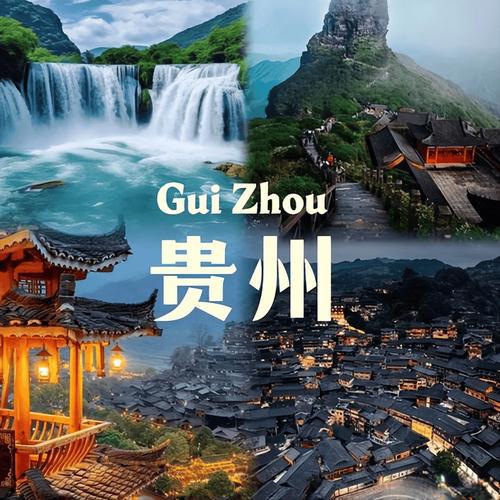
In Guizhou, Ancient China Is Still Alive
There are places in the world where history survives behind museum glass.
And then there is Guizhou.
In this mountainous province deep in southwest China, ancient traditions are not performances created for tourists. They are still woven into daily life — sung beside rivers, carved into silver by hand, dyed into fabric with indigo, and whispered through village festivals older than many modern nations.
For foreign travelers searching for authentic cultural experiences in China, Guizhou offers something increasingly rare:
living intangible cultural heritage.
This is not the China of skyscrapers and neon skylines.
This is the China of drum towers rising from misty valleys.
Of grandmothers embroidering stories into cloth.
Of wooden villages echoing with polyphonic songs that have survived for centuries without written music.
Guizhou may be one of the most culturally fascinating places in Asia.
Why Guizhou Is China’s Best Destination for Cultural Travelers
Guizhou is home to dozens of ethnic minority groups, including:
- Miao
- Dong
- Buyi
- Shui
- Yao
- Tujia
Many communities have preserved traditions for hundreds or even thousands of years.
Unlike heavily commercialized destinations, many villages in Guizhou still practice:
- Traditional textile weaving
- Indigo batik dyeing
- Ancient singing traditions
- Silver forging
- Wooden architecture techniques
- Ritual festivals
- Handmade instruments
- Rice wine ceremonies
For travelers interested in anthropology, photography, craftsmanship, or slow travel, Guizhou feels like discovering an entirely different world inside China.
1. Hear Songs Older Than Written Music in Dong Villages
In the Dong ethnic villages of southeastern Guizhou, music is not entertainment.
It is memory.
The Dong people are famous for the “Grand Song” tradition — massive multi-layered choral singing performed without instruments or conductors.
UNESCO recognized Dong Grand Songs as part of the world’s intangible cultural heritage because of their extraordinary cultural value.
What makes the experience unforgettable is hearing these songs in their original environment:
- Inside wooden drum towers
- Beside rivers at dusk
- During village gatherings
- Echoing through mountain valleys
Many foreign travelers describe the sound as haunting, spiritual, and unlike anything they have heard before.
Some villages still teach these songs orally from generation to generation.
No sheet music.
No written records.
Only memory.
2. Watch Miao Silver Masters Create Wearable History
One of Guizhou’s most visually stunning traditions is Miao silver craftsmanship.
Massive silver crowns, necklaces, butterflies, dragons, and flowers are handcrafted using techniques passed down for centuries.
For the Miao people, silver is more than decoration.
It represents identity, blessing, ancestry, and protection.
In some villages, travelers can still watch artisans:
- Melt silver by hand
- Hammer intricate patterns
- Carve symbolic motifs
- Build ceremonial headdresses
The craftsmanship is astonishingly detailed.
Unlike factory souvenirs, every piece carries traces of human touch and cultural memory.
For photographers and documentary travelers, these workshops are extraordinary places to visit.
3. Discover Ancient Indigo Batik Traditions
Long before modern fashion brands discovered natural dyes, Guizhou’s ethnic communities were already creating intricate blue-and-white textiles using wax-resist batik techniques.
In many villages, women still produce fabrics entirely by hand.
The process includes:
- Drawing patterns with hot wax
- Dyeing cloth in natural indigo
- Boiling away wax to reveal patterns
- Hand embroidery finishing
Every symbol tells a story.
Butterflies may represent rebirth.
Birds may symbolize ancestors.
Geometric patterns may map migration histories.
For foreign visitors, these textiles feel less like products and more like cultural archives woven into fabric.
4. Experience Festivals That Feel Like Another Century
Guizhou’s festivals are among the most visually spectacular cultural events in China.
Unlike performances created only for tourism, many celebrations remain deeply connected to local spiritual and agricultural traditions.
During festival seasons, entire villages transform.
You may see:
- Hundreds of people wearing silver costumes
- Traditional reed-pipe dances
- Horse races
- Ancient courtship rituals
- Fire ceremonies
- Collective singing
- Rice wine banquets
The famous Miao Sisters Festival is sometimes called “the oldest Valentine’s festival in Asia.”
For travelers, these events feel immersive and emotionally powerful because they are still genuinely meaningful to local communities.
5. Sleep Inside Wooden Villages Built Without Nails
One of the most unforgettable parts of cultural travel in Guizhou is simply staying overnight inside traditional villages.
Many wooden houses are built using ancient architectural techniques without nails.
At night, villages become incredibly atmospheric:
- Lanterns reflect on rivers
- Smoke rises from wood fires
- Insects echo through the mountains
- Drum towers glow softly in the dark
Far away from China’s megacities, time feels slower here.
Some travelers come for photography.
Others come searching for cultural depth.
Many leave feeling unexpectedly emotional.
The Food Culture of Guizhou Is Also Intangible Heritage
Food in Guizhou is deeply tied to tradition, migration, and mountain life.
Must-Try Cultural Foods
Sour Soup Fish
A fermented tomato and chili broth that reflects ancient preservation techniques.
Sticky Rice Feasts
Often served during festivals and family gatherings.
Homemade Rice Wine
Commonly offered to guests as part of local hospitality traditions.
Smoked Mountain Meats
Prepared using traditional wood-smoking methods.
Guizhou cuisine is one of China’s most distinctive regional food cultures.
Why Foreign Travelers Are Falling in Love with Guizhou
Guizhou offers something many travelers no longer find easily:
a sense of discovery.
Not every road is polished.
Not every village feels commercialized.
Not every moment is planned.
And that is exactly the magic.
Travelers come here to experience:
- Living traditions
- Human connection
- Ancient craftsmanship
- Mountain landscapes
- Authentic cultural encounters
Guizhou feels less like visiting a tourist destination and more like entering another cultural rhythm.
Best Time for Cultural Travel in Guizhou
Spring and Summer
Best for ethnic festivals and green mountain scenery.
Autumn
Excellent for photography and village exploration.
Winter
Quiet, atmospheric, and ideal for slow travel.
Festival dates vary every year because many follow traditional lunar calendars.
Essential Travel Tips
Travel Slowly
Guizhou is not a place to rush.
The best experiences happen when you stay longer in villages and interact with local communities.
Respect Local Traditions
Always ask before photographing elderly villagers or ceremonies.
Bring Flexible Expectations
Some remote areas are less developed than major Chinese tourist cities.
That is part of the experience.
Final Thoughts: Guizhou Is China’s Cultural Soul
In many places around the world, ancient traditions survive only in museums.
In Guizhou, they still breathe.
Songs are still sung.
Silver is still hammered by hand.
Stories are still embroidered into cloth.
Festivals still gather entire mountain communities together.
For foreign travelers searching for authentic China beyond the postcards and skyscrapers, Guizhou may become the most meaningful journey of all.
Not because it is perfect.
But because it is alive.
发表回复