Most travelers visiting China follow a familiar route.
They wander through Beijing’s imperial palaces, photograph Shanghai’s futuristic skyline, admire Xi’an’s Terracotta Warriors, and then move on.
But beyond these famous destinations lies another China—one that many international visitors never discover.
A China of ancient walled cities, forgotten trade routes, cliffside temples, mist-covered mountains, and stories that shaped dynasties for thousands of years.
Welcome to Langzhong and Guangyuan.
Located in northern Sichuan Province, these two remarkable destinations sit along the legendary Shu Roads, one of the oldest transportation networks in Chinese history. Here, travelers can walk through remarkably preserved ancient streets, stand beneath thousand-year-old Buddhist carvings, explore dramatic mountain landscapes, and uncover stories of emperors, generals, poets, and China’s only female ruler.
For travelers seeking authentic culture rather than crowded tourist hotspots, Langzhong and Guangyuan may be one of China’s best-kept secrets.
Why Foreign Travelers Should Explore Langzhong and Guangyuan
Many international visitors know Sichuan for giant pandas and spicy hotpot.
Few realize that northern Sichuan offers some of the most fascinating historical experiences in the country.
Unlike larger Chinese cities, Langzhong and Guangyuan provide:
- Authentic ancient architecture
- Rich Three Kingdoms history
- UNESCO-level cultural heritage
- Spectacular mountain scenery
- Traditional local lifestyles
- Less crowded attractions
- Deep connections to Chinese civilization
- Excellent photography opportunities
For travelers who enjoy history, culture, architecture, and off-the-beaten-path adventures, this region delivers an unforgettable experience.
Langzhong Ancient City: One of China’s Best-Preserved Ancient Towns
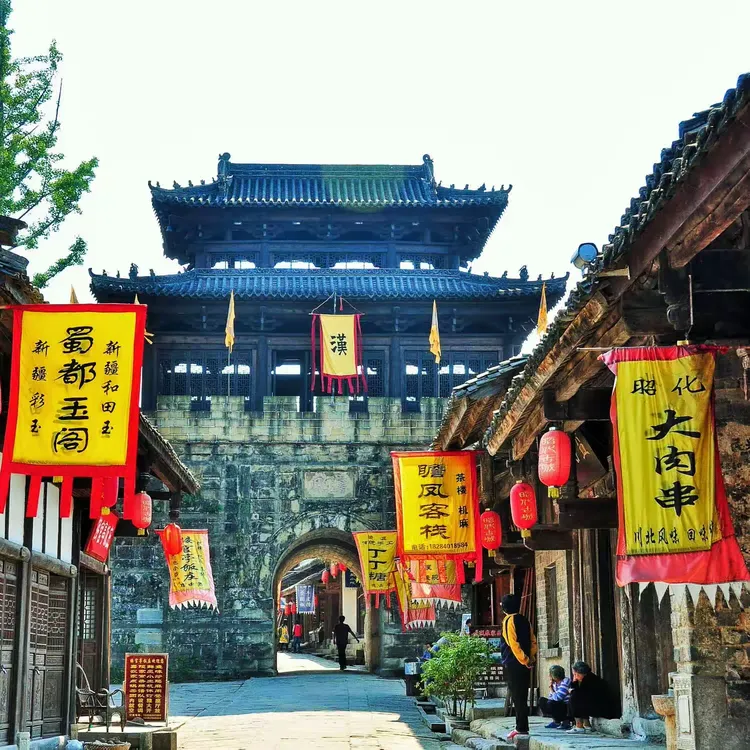
The highlight of Langzhong is undoubtedly the ancient city itself.
Unlike many reconstructed tourist towns across Asia, Langzhong retains a remarkably authentic atmosphere. The city has survived centuries of wars, dynasties, and political changes while preserving much of its original urban layout.
Walking through the old city feels like stepping into a living history book.
Visitors will discover:
- Narrow stone alleyways
- Traditional courtyard homes
- Ancient city gates
- Historic temples
- Old merchant residences
- Classical Chinese gardens
What makes Langzhong especially appealing to foreign travelers is that daily life still unfolds naturally here.
Residents drink tea in centuries-old courtyards, local craftsmen continue traditional trades, and small family restaurants serve regional dishes that have changed little for generations.
Unlike heavily commercialized destinations, Langzhong feels genuinely lived-in.
The Birthplace of Chinese Feng Shui Culture
One of Langzhong’s most unique claims to fame is its connection to traditional Chinese Feng Shui.
Ancient scholars believed the city’s location represented an ideal balance between mountains, rivers, and cosmic energy.
The city sits beside a dramatic bend in the Jialing River and is surrounded by protective mountain ranges, creating a landscape that ancient geomancers considered exceptionally auspicious.
For foreign visitors interested in Chinese philosophy and traditional culture, Langzhong offers a fascinating opportunity to understand how geography influenced urban planning in ancient China.
Explore the Legacy of the Three Kingdoms Era
Fans of Chinese history often associate northern Sichuan with the legendary Three Kingdoms period.
Langzhong was once connected to the military campaigns of Zhang Fei, one of the most famous generals in Chinese history.
Visitors can explore sites linked to:
- Three Kingdoms legends
- Ancient military defenses
- Historical government compounds
- Traditional Chinese military culture
Even travelers unfamiliar with Chinese history quickly become captivated by the dramatic stories that shaped this region.
Guangyuan: Gateway to the Ancient Shu Roads
A short journey north leads to Guangyuan, a city that played a critical role in connecting central China with Sichuan for more than two thousand years.
Historically, travelers, merchants, armies, and emperors all passed through this strategic gateway.
Today, Guangyuan offers a remarkable combination of history, nature, and culture.
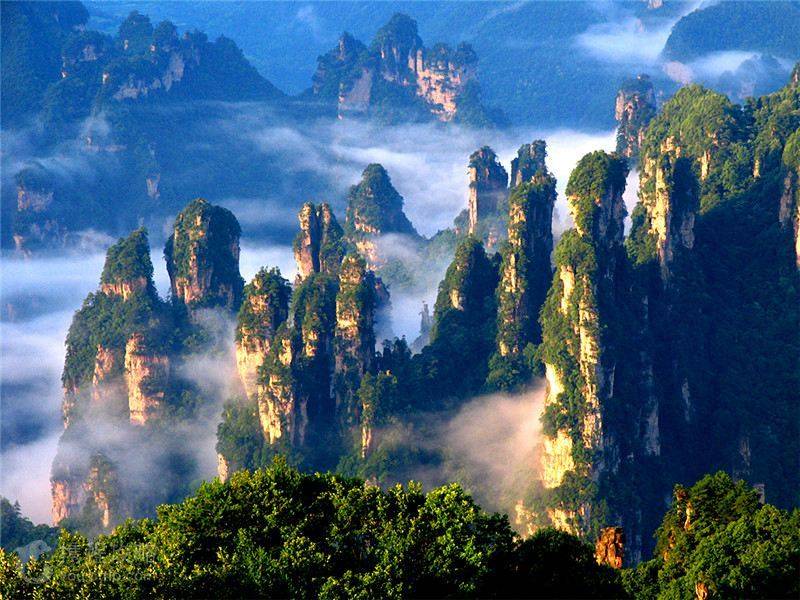
Its location among steep mountains and river valleys creates some of the most dramatic scenery in western China.
Jianmen Pass: China’s Legendary Mountain Fortress
One of Guangyuan’s most impressive attractions is Jianmen Pass.
Known as one of the most important military strongholds in ancient China, this narrow mountain gateway protected Sichuan for centuries.
The famous saying, “One man guards the pass, and ten thousand cannot break through,” originated here.
Visitors can:
- Hike ancient military trails
- Walk cliffside plank roads
- Explore historic fortifications
- Enjoy panoramic mountain views
- Learn about famous battles from Chinese history
For outdoor enthusiasts, Jianmen Pass combines adventure and history in a way few destinations can match.
Thousand Buddha Cliff: A Hidden Buddhist Masterpiece
Another highlight of Guangyuan is the Thousand Buddha Cliff.
Carved into sandstone cliffs overlooking the river, this remarkable collection of Buddhist sculptures dates back more than a thousand years.
The site contains hundreds of intricate carvings that reveal the artistic and religious development of ancient China.
Unlike some of China’s more famous Buddhist sites, visitors can often explore the area without large crowds, creating a much more intimate experience.
The peaceful atmosphere makes it one of the most rewarding cultural attractions in Sichuan.
The Hometown of China’s Only Female Emperor
History lovers may be surprised to learn that Guangyuan is closely connected to Wu Zetian, the only female emperor in Chinese history.
Born during the Tang Dynasty, Wu Zetian remains one of the most influential and controversial figures in Chinese history.
Throughout the region, visitors can discover:
- Historical sites related to her life
- Museums and cultural exhibits
- Stories about Tang Dynasty politics
- Insights into women’s roles in imperial China
For many international travelers, this connection adds another fascinating layer to Guangyuan’s historical significance.
Local Food Experiences You Should Not Miss
Northern Sichuan cuisine differs noticeably from the flavors found in Chengdu.
Popular dishes include:
Jianmen Tofu
One of the most famous regional specialties, known for its delicate texture and countless preparation methods.
Traditional Sichuan Noodles
Handmade noodles served with rich local sauces and mountain ingredients.
River Fish Dishes
Fresh fish from local waterways prepared using traditional Sichuan techniques.
Mountain Herb Cuisine
Many restaurants incorporate wild herbs and seasonal ingredients gathered from nearby mountains.
Food lovers will appreciate the region’s authentic culinary traditions and slower pace of dining.
Best Time to Visit Langzhong and Guangyuan
Spring (March–May)
Wildflowers bloom across the mountains while temperatures remain comfortable.
Ideal for hiking and photography.
Summer (June–August)
Lush green landscapes and vibrant local festivals create a lively atmosphere.
Autumn (September–November)
Cool weather and colorful mountain scenery make autumn the most popular season.
Winter (December–February)
Ancient streets become quieter and more atmospheric, offering a peaceful travel experience.
Travel Tips for International Visitors
- Allow at least four to five days to explore both destinations.
- Combine cultural sightseeing with outdoor adventures.
- Spend a night inside Langzhong Ancient City for the best experience.
- Visit Jianmen Pass early in the morning to avoid crowds.
- Take time to interact with local residents and tea house owners.
The most memorable experiences often happen away from major attractions.
Langzhong and Guangyuan Reveal a Side of China That Many Travelers Never See
China’s greatest treasures are not always its most famous landmarks.
Sometimes they are hidden in places where ancient city walls still protect living communities, where mountain passes continue to tell stories of forgotten battles, and where history remains woven into everyday life rather than displayed behind museum glass.
Langzhong and Guangyuan offer exactly this kind of experience.
They invite travelers to slow down, wander without an agenda, and discover a deeper, quieter China that still feels connected to its past.
Long after the journey ends, visitors often remember the details most vividly: the sound of footsteps on ancient stone streets, the scent of tea drifting from wooden courtyards, the sight of mountain mist rising above the Shu Roads at dawn.
In a country filled with world-famous destinations, Langzhong and Guangyuan remain rare places where discovery still feels genuine.
And that may be their greatest attraction of all.
发表回复