Keywords: Chongqing food tour, Chongqing hotpot travel, Chongqing intangible cultural heritage, Chongqing street food guide, traditional culture Chongqing, China food travel
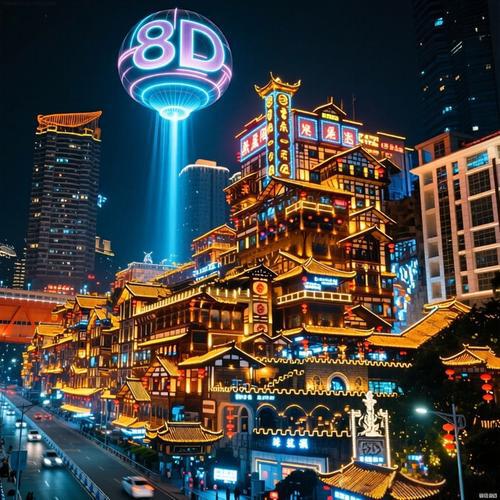
Chongqing does not introduce itself quietly. It arrives in layers of neon, steam, spice, river fog, and stairways that seem to climb directly into the clouds. Built among mountains at the meeting point of the Yangtze and Jialing Rivers, this city feels less like a modern metropolis and more like a living maze where old teahouses, open-air kitchens, ropeway crossings, and disappearing folk traditions survive beneath elevated railways and glowing skyscrapers.
For travelers, Chongqing is not simply a destination for spicy food. It is one of the few cities in China where culinary culture and intangible heritage are inseparable from daily life. Here, grandmothers still make handmade noodles in hillside alleys, Sichuan opera echoes from historic theaters, and century-old crafts continue inside hidden neighborhoods most tourists never find.
This is the side of Chongqing foreign travelers remember long after the spice fades.
🍲 Chongqing hot pot — The Fiery Soul of the Mountain City


7
Hotpot in Chongqing is louder, bolder, and more intense than anywhere else in China.
Unlike polished tourist restaurants, locals often gather in:
- Open-air alley hotpot shops
- Riverside restaurants hidden beneath bridges
- Tiny neighborhood eateries with plastic stools and boiling spice pots
What foreigners love most:
- Choosing ingredients from giant refrigerated displays
- Mixing sesame oil dips to cool the spice
- Experiencing the famous “mala” sensation — spicy and numbing at once
- Eating late into the night as the city glows with neon reflections
In Chongqing, hotpot is not just food. It is social theater.
🎭 Chongqing Sichuan Opera Theatre — Face-Changing and Folk Performance Traditions


6
While Chongqing is modern and futuristic on the surface, traditional opera culture still thrives quietly behind old wooden doors.
Visitors can experience:
- Rapid face-changing performances
- Folk storytelling through music and movement
- Fire-spitting stage acts
- Traditional tea-house theater environments
Even travelers who know no Chinese become mesmerized by the rhythm and visual intensity.
🏮 Ciqikou Ancient Town — Handmade Crafts and Old Chongqing Flavor


7
Ciqikou still preserves fragments of old Chongqing life that existed before the skyscrapers arrived.
Foreign travelers enjoy:
- Watching artisans make sugar paintings by hand
- Tasting handmade glutinous rice cakes and spicy snacks
- Browsing spice shops filled with Sichuan peppercorn aromas
- Sitting in historic teahouses overlooking stone streets
The atmosphere feels cinematic, especially in the early evening.
🚡 Yangtze River Cableway — The City’s Most Iconic Urban Experience


6
Part transportation, part urban spectacle, the cableway reveals why Chongqing is often called China’s “cyberpunk city.”
Crossing above the river at sunset offers:
- Panoramic skyline views
- Endless stairways and layered architecture
- Fog rolling between illuminated towers
It is one of the most unforgettable cityscapes in Asia.
🍜 Hidden Foods Foreign Travelers Rarely Discover
Beyond hotpot, Chongqing’s local specialties include:
- Xiao mian (spicy breakfast noodles)
- Grilled fish covered in chili and garlic
- Smoked tofu dishes
- Handmade sweet rice dumplings
- Street barbecue hidden beneath overpasses
Many of the best places have no English signs and are filled almost entirely with locals.
🧵 Chongqing’s Living Intangible Heritage
Chongqing’s cultural traditions are not frozen in museums.
Travelers can still encounter:
- Bamboo weaving workshops
- Traditional tea-pouring performances
- Hand-pulled noodle making
- Folk musicians performing riverside songs
- Ancient dockworker culture along old river ports
The city’s steep geography helped preserve many traditions by keeping neighborhoods isolated for generations.
Why Foreign Visitors Become Obsessed with Chongqing
Because nowhere else feels quite like it.
Chongqing combines:
- Extreme urban landscapes
- Deep food culture
- Hidden historical layers
- Genuine local energy
- Old traditions surviving inside futuristic scenery
The contrast is what makes the city unforgettable.
Final Reflection: A City You Don’t Simply Visit — You Absorb
Chongqing stays with travelers in strange ways. Sometimes it’s the memory of chili steam rising into cold night air. Sometimes it’s the sound of mahjong tiles echoing through ancient alleys beneath elevated trains. Sometimes it’s the feeling of standing on a crowded staircase while neon reflects off river fog and opera drums pulse somewhere in the distance.
This city overwhelms the senses first — and then slowly earns your affection. By the time you leave, Chongqing no longer feels chaotic. It feels alive in a way few modern cities still do.

发表回复