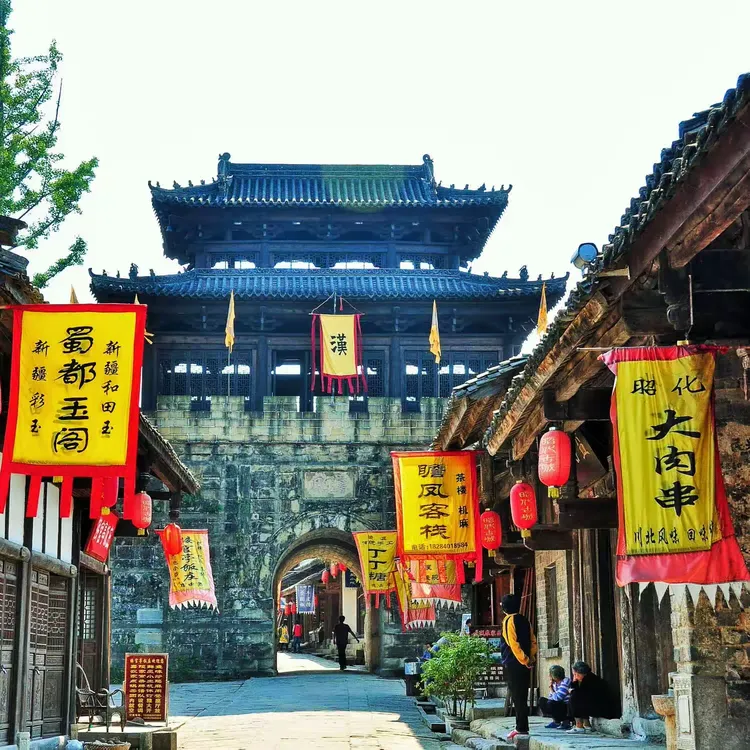
What if a trip to China could feel like stepping inside a living classroom—where calligraphy replaces notebooks, ancient walls become timelines, and conversations with locals turn into the most memorable lessons? A China study tour is not sightseeing; it is participation. Travelers don’t just observe culture—they practice it, taste it, write it, and walk through it.
This guide is designed for international students, families, and educators seeking a China educational travel experience that blends hands-on activities, iconic heritage, and authentic neighborhoods locals love—creating a journey where learning happens naturally, every hour of the day.
Confucius Temple (Nanjing) — Philosophy You Can Walk Through


5
In Nanjing’s Fuzimiao district, Confucian philosophy is not abstract. Students practice brush calligraphy in courtyards, read stone inscriptions, and take a small boat along the Qinhuai River where scholars once gathered.
Interactive learning ideas
- Introductory calligraphy session
- Discussion on Confucian values in modern China
- Night walk to observe living heritage streets
Xi’an City Wall — Cycling Across 600 Years of History


6
Rent bicycles and ride the entire length of the Ming-era wall. It becomes a moving history lesson about ancient defense systems, urban planning, and dynastic engineering.
Interactive learning ideas
- Wall architecture sketching exercise
- Group discussion on ancient vs. modern city design
- Mapping cardinal directions from watchtowers
Song Dynasty Town — Time Travel Into Ancient Daily Life


7
A living re-creation of Song Dynasty society where visitors make paper, try archery, attend tea ceremonies, and watch historical performances.
Interactive learning ideas
- Paper-making workshop
- Tea etiquette and philosophy session
- Traditional games and archery practice
Dunhuang Mogao Caves — Art, Religion, and the Silk Road


6
Few places explain cultural exchange better than Dunhuang. Buddhist murals, desert geography, and Silk Road trade routes come together in one unforgettable lesson.
Interactive learning ideas
- Mural symbolism decoding session
- Silk Road trade role-play activity
- Desert ecology observation walk
Longjing Village — Tea Culture With Local Farmers


7
Students pick tea leaves with farmers, learn pan-roasting techniques, and understand how geography shapes culture.
Interactive learning ideas
- Tea picking and roasting
- Tasting session on flavor profiles
- Discussion on agriculture and trade
798 Art District — Understanding Modern China Through Art


8
Converted factories now host galleries and studios. It’s ideal for discussing contemporary Chinese identity, design, and youth culture.
Interactive learning ideas
- Gallery sketching session
- Artist talk or studio visit
- Photography walk on industrial aesthetics
Suggested 8–10 Day China Study Tour Structure
Day 1–2: Nanjing – Confucian culture and river heritage
Day 3–4: Xi’an – Ancient engineering and urban history
Day 5: Dunhuang – Silk Road art and desert geography
Day 6–7: Hangzhou – Tea culture and Song Dynasty life
Day 8–9: Beijing – Contemporary art and modern perspectives
This route connects philosophy, engineering, religion, agriculture, and modern creativity into one coherent learning journey.
Why Foreign Students Love This Style of Travel
- Learning happens through doing, not listening
- Balance of ancient heritage and modern China
- Frequent interaction with locals and artisans
- Visual, tactile, and memorable education moments
- Safe, structured, and culturally rich environments
Final Thoughts: Where Travel Becomes the Classroom
A China study tour is not measured by how many landmarks you check off, but by how many moments you participate in. You write characters where scholars once wrote, cycle on walls built for emperors, harvest tea beside farmers, and stand before murals painted a thousand years ago for travelers just like you.
By the end of the journey, China is no longer a chapter in a textbook—it is a place you have touched, tasted, walked, and understood from the inside.
发表回复