A Spiritual Tibet Travel Experience Beyond Ordinary Tourism
At sunrise in Tibet, the streets of Lhasa awaken not with traffic, but with prayer. Elderly pilgrims spin copper prayer wheels beneath golden monastery roofs. Nomads from distant grasslands bow full-length onto ancient stone roads. The scent of yak butter lamps drifts through thin Himalayan air while snow peaks glow pink in the first light of dawn.
This is not the Tibet most tourists imagine.
Beyond the postcard views of Mount Everest and luxury train routes lies a deeper Tibet — a living spiritual civilization where pilgrimage is not a performance, but a way of life. For travelers seeking meaning instead of checklists, a Tibet pilgrimage journey offers something rare in modern travel: silence, devotion, human connection, and the feeling of stepping into another rhythm of existence.
In 2026, more international travelers are searching for immersive Tibet travel experiences focused on spirituality, Tibetan Buddhism, meditation, sacred mountains, and authentic local encounters. This guide explores how to experience Tibet through its pilgrimage culture — respectfully, deeply, and far beyond ordinary sightseeing.
Why Tibet Pilgrimage Travel Fascinates Foreign Visitors
For many Western travelers, Tibet represents one of the last places where spirituality still shapes everyday life. Pilgrimage routes in Tibet are not museum relics; they are active journeys walked by thousands of believers every year.
Unlike modern tourism centered on entertainment, Tibet pilgrimage culture invites participation. Visitors are not only observers — they become part of the movement of prayer, ritual, and ancient tradition.
Foreign travelers are often drawn to Tibet for:
- Tibetan Buddhist philosophy and meditation
- Sacred mountain pilgrimages
- Himalayan monastery culture
- Spiritual photography experiences
- Encounters with nomadic Tibetan communities
- Inner healing and digital detox travel
- Ancient rituals rarely seen elsewhere in the world
What surprises many visitors most is the emotional atmosphere. Tibet does not feel designed for tourists. Its sacred traditions exist independently of outside attention, which makes the experience feel profoundly real.
Lhasa: The Spiritual Heart of Tibet


6
Every pilgrimage journey in Tibet begins in Lhasa, the legendary “City of Sunlight.” At 3,650 meters above sea level, the city feels suspended between earth and sky.
The spiritual center of Lhasa is Jokhang Temple, Tibet’s most sacred temple. Pilgrims travel for months — sometimes years — to pray before the temple’s revered Buddha statue.
Outside the temple lies Barkhor Street, one of the world’s most extraordinary spiritual walking circuits. Here, monks, merchants, nomads, and travelers move together clockwise around the temple while murmuring prayers.
For foreign visitors, the most moving moment often comes before sunrise. In the freezing morning air, hundreds of Tibetans perform full-body prostrations on stone streets polished smooth by centuries of devotion.
There are no ticket scanners in faith. No scripted performances. Only belief.
Joining a Kora: Tibet’s Sacred Pilgrimage Circuits
The Tibetan word “Kora” refers to a sacred pilgrimage circuit around a monastery, lake, or mountain. Participating in a Kora is one of the most immersive cultural experiences available in Tibet travel.
Barkhor Kora in Lhasa
Perfect for first-time visitors, this gentle walking route circles Jokhang Temple and introduces travelers to Tibetan ritual life.
You’ll encounter:
- Prayer wheel spinning
- Incense offerings
- Traditional Tibetan chanting
- Pilgrims counting mala beads
- Monks debating Buddhist philosophy
Walking silently among pilgrims becomes less like tourism and more like meditation in motion.
Mount Kailash: The Ultimate Tibet Pilgrimage Adventure


9
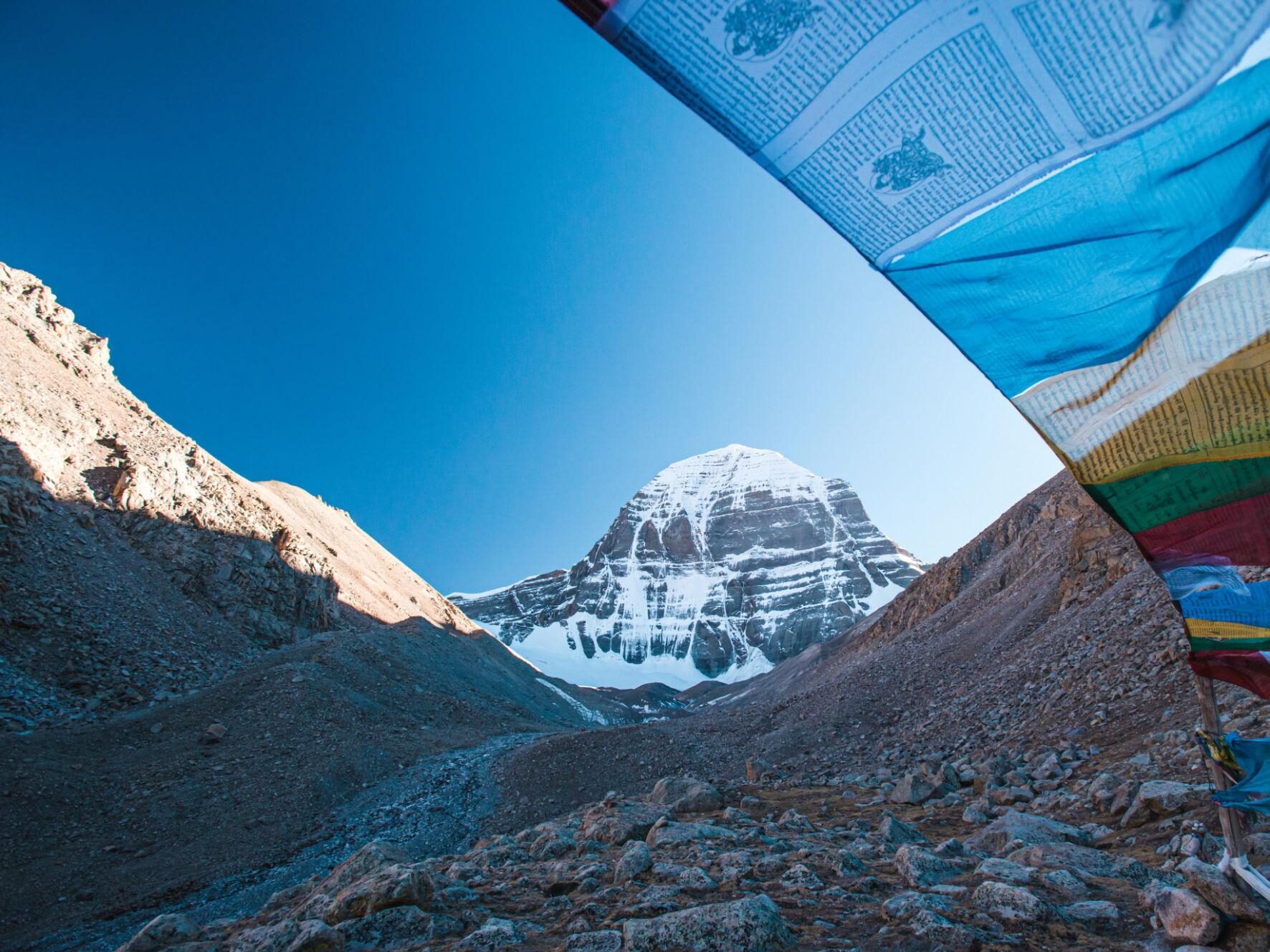
For serious spiritual travelers, the ultimate Tibet pilgrimage experience is the sacred circuit around Mount Kailash.
Revered by Buddhists, Hindus, Jains, and Bon practitioners, Mount Kailash is considered one of the holiest mountains on Earth. Unlike Everest, climbing is forbidden. The mountain is not conquered — it is honored.
Pilgrims complete a 52-kilometer walking circuit around the mountain, crossing the high-altitude Dolma La Pass at over 5,600 meters.
Some Tibetan pilgrims complete the entire route by full-body prostration, a journey that can take weeks.
Foreign travelers often describe the Kailash pilgrimage as:
- Emotionally transformative
- Physically demanding
- Spiritually grounding
- Unlike any trek elsewhere in the Himalayas
The landscape itself feels mythological: turquoise lakes, black rock cliffs, endless prayer flags, and absolute silence.
Hidden Monasteries Foreign Tourists Rarely Visit
Many travelers only see famous sites like the Potala Palace, but Tibet’s deeper spiritual culture survives in smaller monasteries scattered across valleys and mountain villages.
Drigung Monastery


7
Drigung Monastery sits dramatically on a mountain ridge north of Lhasa and is associated with ancient sky burial traditions and meditation retreats.
Unlike crowded tourist attractions, the atmosphere here feels deeply contemplative. Travelers may hear monks chanting for hours while eagles circle silently overhead.
Ganden Monastery
Ganden Monastery offers one of Tibet’s most beautiful monastery hikes. The mountain Kora surrounding the monastery provides sweeping Himalayan views rarely seen in mainstream Tibet itineraries.
At sunset, the golden roofs glow against the dark mountains while prayer flags whip violently in the cold wind.
Tibetan Pilgrimage Rituals Travelers Can Respectfully Experience
One reason foreign visitors become fascinated with Tibet pilgrimage culture is the opportunity to observe — and sometimes gently participate in — ancient rituals.
Common experiences include:
- Lighting yak butter lamps
- Hanging prayer flags
- Spinning prayer wheels
- Listening to monastery chanting ceremonies
- Learning basic Tibetan blessings
- Drinking butter tea with nomadic families
- Watching monks create sand mandalas
- Joining meditation sessions in monasteries
Respect matters deeply in Tibetan culture. Travelers should:
- Ask before photographing pilgrims
- Walk clockwise around sacred sites
- Dress modestly inside monasteries
- Avoid touching monks unexpectedly
- Speak softly during rituals
Pilgrimage in Tibet is not entertainment. The more respectfully visitors approach it, the more meaningful the journey becomes.
Tibetan Nomad Encounters: The Human Side of the Plateau


7
One of the most unforgettable parts of a Tibet pilgrimage route is meeting Tibetan nomads on the plateau.
In remote regions near sacred lakes and mountain passes, families still live traditional pastoral lifestyles that have changed little for centuries.
Visitors may be invited into black yak-hair tents for:
- Butter tea
- Yak yogurt
- Tsampa (roasted barley flour)
- Stories about pilgrimage journeys
- Local legends about sacred mountains
For many foreign travelers, these encounters become the emotional highlight of Tibet.
Not because they are luxurious — but because they feel profoundly human.
Best Time for a Tibet Spiritual Journey
The best seasons for Tibet pilgrimage travel are generally:
April to June
- Crisp mountain visibility
- Comfortable temperatures
- Fewer crowds
- Excellent photography light
September to October
- Clear Himalayan skies
- Pilgrimage festivals
- Beautiful autumn landscapes
Winter travel can also be extraordinary for photographers and spiritual seekers because monasteries feel quieter and more intimate.
Tibet Travel Permits for Foreign Visitors
Foreign travelers cannot visit Tibet independently and must arrange travel through authorized Tibet travel agencies.
Most visitors require:
- Chinese visa
- Tibet Travel Permit
- Additional permits for remote regions like Mount Kailash
Travel agencies typically arrange:
- Permits
- Guides
- Transportation
- Accommodation
- Monastery visits
- Pilgrimage route logistics
Booking early is recommended for pilgrimage seasons and major Tibetan festivals.
The Real Meaning of a Tibet Pilgrimage Journey
Most travel experiences fade into photographs. Tibet lingers in memory differently.
Perhaps it is the sound of monks chanting beneath Himalayan stars.
Perhaps it is the elderly pilgrim whispering prayers while circling Jokhang Temple for the thousandth time.
Perhaps it is the strange stillness of sacred mountains that seem older than history itself.
A Tibet pilgrimage journey is not about escaping the modern world entirely. It is about briefly remembering another possibility of human life — one shaped by patience, ritual, humility, and spiritual purpose.
Long after travelers leave Tibet, many discover they carried something invisible home with them: a quieter mind, a slower heartbeat, and the feeling that somewhere beyond the noise of ordinary life, the prayer wheels of the Himalayas are still turning.
发表回复