The China Travel Experience That Feels Like Entering a Fantasy World
Some places impress travelers with beauty.
Zhangjiajie confuses their sense of reality completely.
At dawn, thousands of towering sandstone pillars rise through moving clouds like floating islands suspended in the sky. Ancient wooden villages cling to cliff edges above deep forest valleys. Mist drifts silently between peaks while distant mountain songs echo through hidden canyons. For many foreign travelers, the first glimpse of Zhangjiajie feels less like visiting China and more like walking into another planet.
But beyond the famous “Avatar Mountains,” Zhangjiajie hides a much deeper cultural world that most international tourists barely discover.
This region is home to centuries-old Tujia and Miao ethnic traditions, mysterious mountain folklore, Taoist spiritual beliefs, traditional stilt-house architecture, cliffside farming communities, and some of the most visually surreal landscapes in Asia.
For travelers searching for authentic China cultural experiences beyond Beijing and Shanghai, a Zhangjiajie culture tour offers something increasingly rare: epic scenery combined with living local traditions that still feel untouched by modern mass tourism.
This 2026 Zhangjiajie cultural travel guide explores the region’s hidden villages, ethnic traditions, mountain rituals, spiritual sites, local food culture, cinematic landscapes, and immersive experiences foreign travelers remember long after leaving China.
Why Zhangjiajie Fascinates Foreign Travelers
Many visitors first discover Zhangjiajie after seeing photos of the mountains that inspired scenes in the movie Avatar.
But once they arrive, travelers quickly realize the region offers far more than dramatic scenery.
Unlike China’s major megacities, Zhangjiajie feels deeply connected to nature and traditional mountain life. The atmosphere is slower, quieter, and far more mysterious.
Foreign visitors are especially attracted to:
- The world-famous Avatar-like sandstone peaks
- Ancient Tujia ethnic culture
- Traditional mountain villages
- Cliffside architecture
- Glass bridges and canyon adventures
- Taoist mountain spirituality
- Hidden hiking trails
- Local music and dance traditions
- Authentic rural Chinese experiences
For photographers, hikers, filmmakers, and culture-focused travelers, Zhangjiajie often becomes one of the most unforgettable destinations in China.
Zhangjiajie National Forest Park: The Landscape That Changed Global Tourism
The most iconic attraction in the region is Zhangjiajie National Forest Park, home to thousands of towering quartz-sandstone pillars rising dramatically from dense subtropical forest.
For foreign travelers, the landscape often feels impossible to describe accurately. The mountains appear to float above clouds, especially during rainy or foggy mornings.
The park’s most famous peak is Avatar Hallelujah Mountain, which gained international attention after inspiring the floating mountains in Avatar.
But beyond photography, the park offers immersive cultural experiences:
- Traditional mountain pathways used for generations
- Local Tujia storytelling traditions
- Hidden temples within the forest
- Tea-growing mountain villages
- Ancient herbal medicine knowledge
Unlike ordinary national parks, Zhangjiajie feels cinematic at every moment.
Tianmen Mountain: China’s Most Dramatic Spiritual Mountain


6
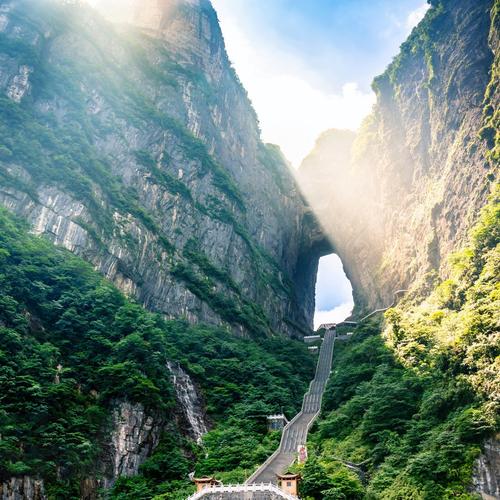
One of the most extraordinary cultural and spiritual sites in the region is Tianmen Mountain.
Known as the “Soul of Zhangjiajie,” Tianmen Mountain combines breathtaking scenery with ancient spiritual symbolism.
Highlights include:
- The legendary Heaven’s Gate cave
- Cliffside glass skywalks
- Taoist mountain temples
- One of the world’s longest cable cars
- The famous 99-bend mountain road
For centuries, local people believed Tianmen Mountain connected heaven and earth. Even today, the mountain retains an almost mythical atmosphere, especially when fog moves through the cliffs and temples disappear into the clouds.
Many foreign travelers describe Tianmen as one of the most surreal places they have ever visited.
Discovering Tujia Culture: Zhangjiajie’s Hidden Human Story


7
While the landscapes attract global attention, the soul of Zhangjiajie lies in its ethnic cultures — especially the traditions of the Tujia people.
The Tujia ethnic minority has lived in the mountains of western Hunan for centuries, developing unique customs shaped by isolation and dramatic geography.
Foreign travelers can experience:
- Traditional Tujia dance performances
- Mountain folk songs
- Handmade embroidery
- Wooden stilt-house architecture
- Local rice wine traditions
- Ancient wedding customs
- Bamboo crafts and weaving
Unlike staged city performances, many rural Tujia villages still preserve authentic daily traditions.
Visiting these communities offers travelers a deeper understanding of mountain life in southern China.
Furong Ancient Town: China’s Waterfall Village


7
A few hours from Zhangjiajie lies Furong Ancient Town, one of the most visually unique ancient towns in China.
Built directly beside a massive waterfall, the town transforms at night into a glowing maze of lanterns, wooden bridges, riverside restaurants, and misty alleyways.
Foreign travelers love Furong because it combines:
- Ancient Chinese architecture
- Ethnic minority culture
- Traditional street food
- Dramatic waterfall scenery
- Cinematic night photography
The atmosphere feels especially magical after rain, when lantern reflections shimmer across wet stone streets.
Zhangjiajie Glass Bridge: Adventure Above the Canyon
For adventurous travelers, Zhangjiajie Glass Bridge offers one of China’s most thrilling experiences.
Suspended high above a massive canyon, the transparent bridge provides incredible panoramic views of the surrounding mountains and forests.
Beyond adrenaline, the bridge represents how Zhangjiajie combines ancient landscapes with modern tourism innovation.
It has become one of China’s most internationally recognized travel landmarks.
Local Food Culture: What Foreign Travelers Should Try
Zhangjiajie cuisine reflects the mountain environment of Hunan Province — bold, smoky, spicy, and deeply local.
Popular dishes include:
- Tujia smoked pork
- Sour fish soup
- Sticky rice specialties
- Wild mountain mushrooms
- Handmade rice noodles
- Chili-based mountain dishes
- Bamboo tube rice
Foreign visitors often enjoy exploring local night markets where mountain ingredients and ethnic cooking traditions create flavors very different from coastal Chinese cuisine.
For adventurous eaters, Zhangjiajie offers one of the most memorable food experiences in inland China.
Best Time to Visit Zhangjiajie
The best seasons for a Zhangjiajie culture tour are:
April to June
- Lush green mountains
- Misty “floating mountain” scenery
- Comfortable hiking weather
- Waterfalls at full strength
September to November
- Clear skies
- Autumn colors
- Excellent visibility
- Cooler temperatures for outdoor activities
Rainy or foggy weather is often considered ideal for photography because it creates the famous cloud-covered mountain effect.
Why Zhangjiajie Feels Different From Anywhere Else in China
Many destinations become famous because they are beautiful.
Zhangjiajie became unforgettable because it feels unreal.
Long after travelers leave China, they remember the sensation of standing above endless stone pillars disappearing into clouds, hearing mountain songs echo through ancient valleys, and watching lantern light reflect across wet streets in hidden cliffside towns.
A Zhangjiajie culture tour is not only about sightseeing. It is about entering a landscape where mythology, nature, and human tradition still feel inseparable.
In Zhangjiajie, mountains are not simply scenery. They are part of local identity, spiritual belief, and cultural memory passed through generations of mountain communities.
And for many foreign travelers, that combination of cinematic beauty and authentic human culture becomes the moment China suddenly feels far larger, deeper, and more mysterious than they ever imagined.
发表回复