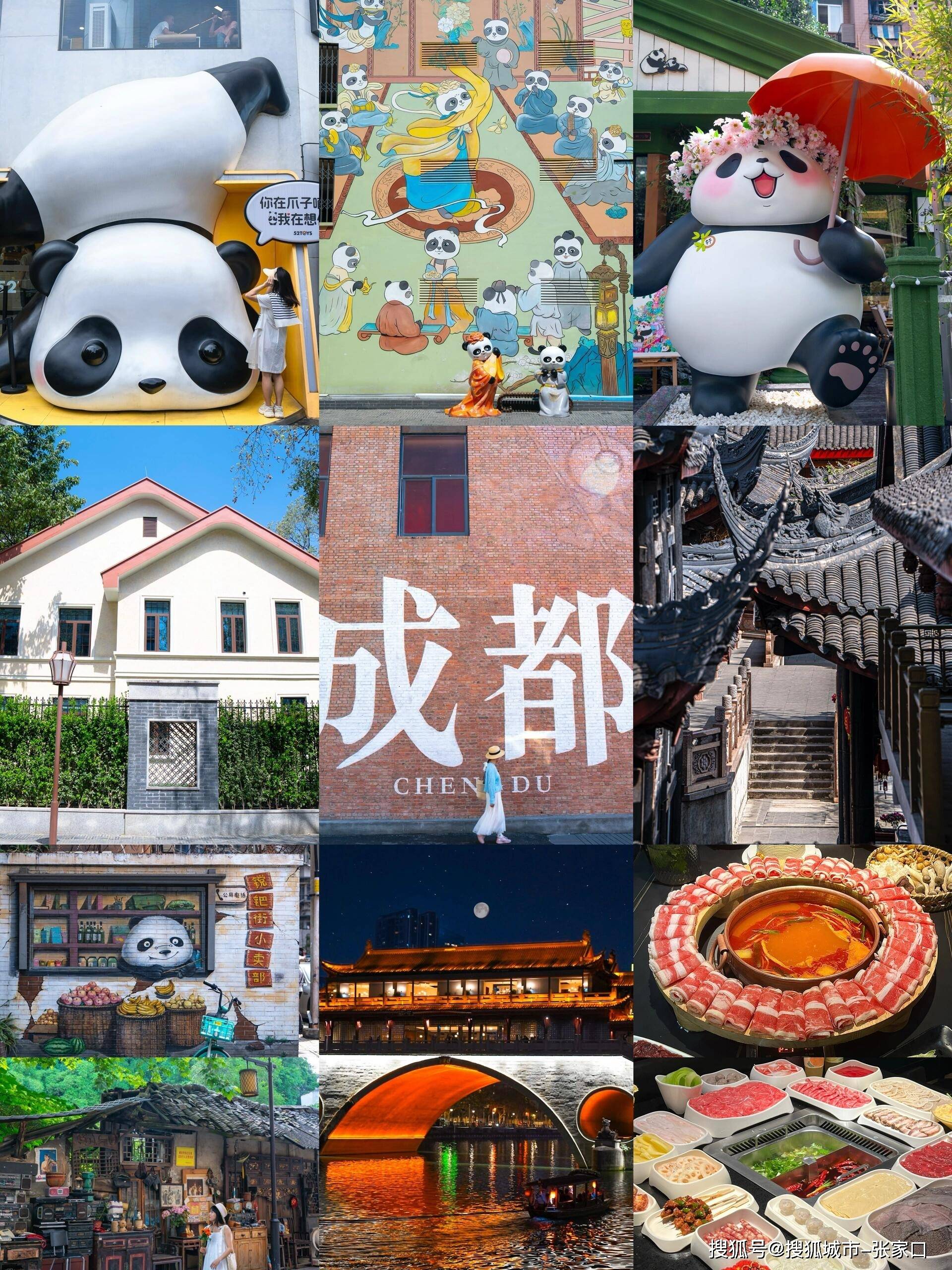
Why Chengdu Is Becoming One of China’s Most Fascinating Spiritual Travel Destinations
Most foreign travelers first come to Chengdu for pandas and spicy hotpot.
Then the temples quietly change the entire journey.
Behind Chengdu’s modern cafés, lively night markets, and neon-lit streets lies another city — one shaped by incense smoke, bamboo-shadowed monasteries, Taoist philosophy, and centuries of spiritual tradition. At sunrise, elderly locals carry prayer beads through silent temple courtyards. Monks strike bronze bells hidden behind ancient wooden gates. Tea houses beside Buddhist monasteries fill with soft Sichuan dialect conversations while sandalwood incense drifts into the humid air.
Unlike the dramatic mountain monasteries of Tibet, Chengdu’s spiritual culture feels woven naturally into everyday life. It is peaceful rather than distant, human rather than ceremonial.
For international travelers searching for authentic Chinese culture, Buddhist temples, Taoist philosophy, traditional architecture, meditation experiences, and hidden local life, Chengdu offers one of the most immersive cultural journeys in China.
This Chengdu temple culture tour guide explores the city’s most atmospheric temples, hidden spiritual experiences, local rituals, ancient tea culture, and why Chengdu has become a favorite destination for foreign travelers looking beyond mainstream China tourism.
Why Foreign Travelers Love Chengdu’s Temple Culture
Chengdu feels different from China’s faster megacities.
Life here moves slowly. People spend hours drinking tea, playing mahjong, chatting in temple courtyards, and enjoying long afternoons beneath bamboo trees. This relaxed rhythm creates the perfect environment for spiritual culture to survive naturally.
Foreign visitors are often surprised that Chengdu’s temples do not feel like isolated tourist attractions. They feel lived in.
Inside Chengdu’s monasteries and Taoist temples, you’ll find:
- Local worshippers offering incense daily
- Monks practicing traditional rituals
- Hidden meditation gardens
- Ancient Buddhist carvings
- Traditional Chinese tea culture
- Taoist mountain philosophy
- Vegetarian temple cuisine
- Quiet courtyards untouched by city noise
For travelers interested in Chinese spirituality, Chengdu provides a softer and more accessible cultural experience than many first-time visitors expect.
Wenshu Monastery: Chengdu’s Spiritual Heart


7
The most famous spiritual site in Chengdu is Wenshu Monastery, a peaceful Buddhist temple complex hidden within the modern city.
For many foreign travelers, walking into Wenshu Monastery feels like stepping into another era. The sound of traffic disappears behind red temple walls. Bamboo sways above stone pathways while incense smoke curls through the air.
The monastery is especially popular with international visitors because it combines:
- Traditional Chinese Buddhist architecture
- Active monastic life
- Beautiful gardens
- Vegetarian restaurants
- Traditional tea houses
- Calligraphy and cultural exhibitions
One of the most memorable experiences is sitting in the monastery tea garden after exploring the temple halls. Elderly locals sip jasmine tea for hours while monks quietly pass through shaded courtyards.
It is not a staged cultural performance. It is simply Chengdu life.
Qingyang Palace: Discovering Chengdu’s Taoist Culture


6
While many travelers focus only on Buddhism, Chengdu is also one of China’s important centers of Taoist culture.
Qingyang Palace is among the oldest and most famous Taoist temples in western China.
Unlike Buddhist monasteries, Taoist temples often feel mysterious and deeply connected to nature. Inside Qingyang Palace, visitors discover:
- Ancient Taoist symbols
- Traditional Chinese astrology imagery
- Yin-yang philosophy
- Sacred bronze sculptures
- Incense-filled meditation halls
- Quiet gardens designed around harmony and balance
Foreign travelers interested in Chinese philosophy often find Taoism fascinating because of its focus on simplicity, flow, and connection with nature.
The temple’s atmosphere feels calm, poetic, and distinctly Chinese.
Baoguang Monastery: Chengdu’s Hidden Temple Treasure


7
Most tourists never visit Baoguang Monastery, which is exactly why many experienced travelers love it.
Located away from the busiest tourist districts, Baoguang Monastery offers a quieter and more authentic spiritual atmosphere.
The monastery is famous for:
- Ancient Buddhist relics
- Traditional Chinese pagodas
- Peaceful lotus ponds
- Rare Buddhist statues
- Local worshippers rather than tour groups
For photographers and culture-focused travelers, the soft light filtering through temple corridors creates one of Chengdu’s most atmospheric cultural experiences.
Unlike crowded attractions, Baoguang feels deeply local and meditative.
Temple Tea Culture: Chengdu’s Most Unique Spiritual Experience


4
One reason foreign travelers become obsessed with Chengdu is the city’s incredible tea culture connected to temple life.
In Chengdu, tea is not rushed. It is ritual.
Many temple areas feature traditional tea houses where locals spend entire afternoons:
- Drinking jasmine or green tea
- Reading newspapers
- Practicing calligraphy
- Discussing philosophy
- Watching monks pass quietly through courtyards
For international visitors used to fast-paced travel schedules, Chengdu’s temple tea culture can feel surprisingly emotional.
It teaches travelers how to slow down.
Sitting beside a centuries-old monastery while rain falls softly on bamboo leaves may become one of the most peaceful moments of an entire China journey.
Mount Qingcheng: Taoist Mountains Near Chengdu


7
For travelers wanting a deeper spiritual experience beyond the city, Mount Qingcheng is one of the best day trips from Chengdu.
Known as one of the birthplaces of Taoism, Mount Qingcheng feels completely different from urban China.
Visitors can explore:
- Hidden mountain temples
- Taoist meditation sites
- Forest-covered stone stairways
- Ancient pavilions in the mist
- Sacred mountain streams
- Traditional spiritual retreats
The mountain’s atmosphere is especially magical during rainy or foggy weather, when temple rooftops disappear into drifting clouds.
Many foreign travelers describe Mount Qingcheng as one of the most cinematic landscapes in China.
Vegetarian Temple Food: A Surprising Highlight for Travelers
Many Chengdu temples serve Buddhist vegetarian cuisine that surprises foreign visitors with its complexity and flavor.
Temple meals often include:
- Handmade tofu dishes
- Mushroom hotpots
- Sichuan-style vegetarian noodles
- Lotus root specialties
- Herbal soups
- Traditional tea desserts
Unlike ordinary restaurants, temple dining feels quiet and intentional.
Meals are often connected to Buddhist ideas of mindfulness, simplicity, and balance.
For travelers seeking wellness experiences, Chengdu’s temple food culture offers a completely different side of Sichuan cuisine beyond spicy hotpot.
Best Time for a Chengdu Temple Culture Tour
The best seasons for exploring Chengdu’s temples are:
March to May
- Comfortable weather
- Bamboo gardens become lush and green
- Excellent tea house atmosphere
- Ideal for walking tours
September to November
- Cooler temperatures
- Beautiful autumn light
- Fewer summer crowds
- Pleasant mountain conditions near Qingcheng
Rainy days can actually enhance the atmosphere of Chengdu’s temples, making courtyards feel more poetic and cinematic.
Why Chengdu’s Temples Stay With Travelers Long After the Journey Ends
Many places impress travelers for a moment.
Chengdu changes their rhythm completely.
Long after leaving China, visitors often remember simple scenes instead of famous landmarks: an old monk sweeping fallen bamboo leaves at sunrise, the sound of rain hitting ancient temple roofs, steam rising from jasmine tea beside incense smoke, or the quiet calm hidden behind crowded city streets.
A Chengdu temple culture tour is not about chasing dramatic adventure. It is about discovering another way of living — slower, quieter, and more connected to tradition.
In a world filled with constant movement and noise, Chengdu’s temples offer something many travelers did not realize they were searching for: peace without isolation, spirituality without pressure, and the rare feeling that time itself has softened.
And for many foreign visitors, that feeling becomes the true reason they fall in love with Chengdu.
发表回复