Why Fujian Might Be the Most Surprising Destination in China
Most first-time visitors to China dream about Beijing’s imperial palaces, Shanghai’s futuristic skyline, or the dramatic mountains of Zhangjiajie. Yet tucked away along China’s southeastern coast lies a province that many international travelers have never heard of—and that’s exactly what makes it special.
Fujian is a place where ancient earthen fortresses rise from misty valleys, fishing villages cling to rugged coastlines, tea plantations stretch across emerald mountains, and centuries-old traditions quietly continue far from the crowds.
Unlike China’s better-known tourist destinations, Fujian rewards curious travelers with something increasingly rare in modern travel: discovery.
Whether you’re interested in UNESCO World Heritage Sites, authentic Chinese culture, spectacular coastal scenery, tea traditions, or unique architecture found nowhere else on Earth, Fujian offers a side of China that feels remarkably genuine.
If you’re looking for a destination beyond the typical tourist trail, Fujian may become your favorite province in China.
Where Is Fujian?
Located on China’s southeast coast, Fujian faces the Taiwan Strait and has long served as one of China’s most important maritime gateways.
The province is known for:
- Stunning coastlines
- Historic trading ports
- Mountain landscapes
- Tea-growing regions
- Unique Hakka culture
- UNESCO World Heritage Sites
- Exceptional seafood cuisine
Its major cities include:
- Xiamen
- Fuzhou
- Quanzhou
- Zhangzhou
- Nanping
Suggested Image
Best Places to Visit in Fujian
1. Xiamen – China’s Most Relaxing Coastal City
If there is one city that surprises nearly every foreign traveler, it is Xiamen.
Palm-lined boulevards, ocean views, colonial architecture, and a laid-back atmosphere make it feel very different from many major Chinese cities.
Highlights include:
- Xiamen
- Gulangyu Island
- Coastal cycling routes
- Historic villas
- Local seafood markets
- Sunset views along the waterfront
Gulangyu Island, a UNESCO-listed destination, is particularly fascinating. Cars are banned, creating a peaceful environment filled with winding streets, gardens, and historic architecture influenced by cultures from around the world.
Suggested Image
2. Fujian Tulou – The World’s Most Extraordinary Earthen Buildings
Imagine arriving in a remote mountain valley and discovering enormous circular buildings that resemble something between a medieval fortress and a science-fiction movie set.
Welcome to the Fujian Tulou.
These massive earthen structures were built by Hakka communities centuries ago and remain one of China’s most unique architectural achievements.
The most famous examples can be found around:
- Yongding
- Nanjing County
Many Tulou are still inhabited today, offering travelers a glimpse into a communal lifestyle that has survived for generations.
For photographers and cultural travelers, this is one of China’s most rewarding destinations.
Suggested Image
3. Quanzhou – The Forgotten Maritime Capital of Asia
Few international travelers realize that Quanzhou was once one of the world’s busiest ports.
More than a thousand years ago, merchants from Arabia, Persia, India, and Southeast Asia arrived here, creating one of the most cosmopolitan cities in medieval Asia.
Today, visitors can explore:
- Ancient temples
- Historic mosques
- Traditional neighborhoods
- Maritime heritage sites
The city’s multicultural history makes it one of the most fascinating cultural destinations in China.
Key attraction:
Quanzhou
4. Wuyi Mountains – Tea, Nature, and Chinese Philosophy
If China’s landscapes inspired classical poetry and landscape paintings, the Wuyi Mountains are a perfect example.
Located in northern Fujian, the area combines dramatic cliffs, winding rivers, bamboo forests, and tea plantations.
Visitors can enjoy:
- Rafting along scenic rivers
- Hiking trails
- Tea farm visits
- Ancient academies
- Traditional Chinese cultural experiences
The region is especially famous for producing Da Hong Pao, one of China’s most celebrated teas.
Key destination:
Wuyi Mountains
Suggested Image
5. Fuzhou – A City Where Old China Still Exists
As Fujian’s provincial capital, Fuzhou is often overlooked by international tourists.
That is a mistake.
The city offers beautiful historic districts, traditional architecture, ancient temples, and a slower pace than many Chinese megacities.
Recommended experiences:
- Walking through historic alleyways
- Sampling local Fujian cuisine
- Visiting traditional gardens
- Exploring cultural museums
Key destination:
Fuzhou
What Makes Fujian Different from Other Parts of China?
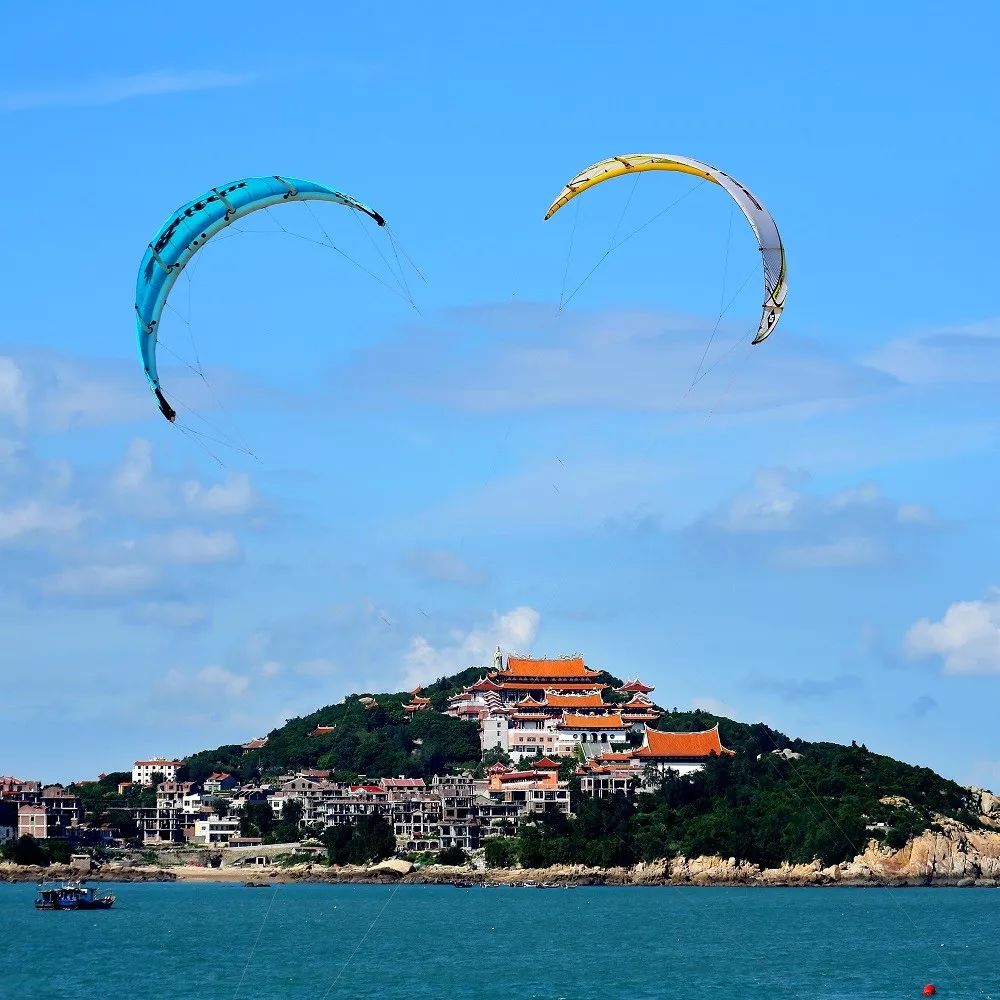
Many travelers describe Fujian as one of China’s most authentic provinces.
Reasons include:
Less Mass Tourism
Compared with Beijing, Shanghai, and Xi’an, Fujian remains relatively undiscovered internationally.
Rich Cultural Diversity
Hakka communities, coastal traditions, maritime history, and tea culture coexist within the same province.
Incredible Food
Fujian cuisine is one of China’s Eight Great Culinary Traditions.
Popular dishes include:
- Seafood noodle soups
- Oyster omelets
- Fish ball soup
- Buddha Jumps Over the Wall
- Peanut soup
Tea Culture
Tea is woven into daily life throughout Fujian.
Visitors can enjoy:
- Oolong tea tastings
- Traditional tea ceremonies
- Visits to historic tea-growing regions
How Many Days Do You Need in Fujian?
5-Day Trip
Perfect for:
- Xiamen
- Gulangyu Island
- Tulou Villages
7-Day Trip
Adds:
- Quanzhou
- Fuzhou
10-Day Trip
Ideal for:
- Xiamen
- Tulou
- Quanzhou
- Fuzhou
- Wuyi Mountains
This itinerary combines culture, history, nature, food, and local experiences.
Best Time to Visit Fujian
Spring (March–May)
Comfortable weather and blooming landscapes.
Autumn (September–November)
Arguably the best season with clear skies and pleasant temperatures.
Winter (December–February)
Mild compared with northern China.
Summer (June–August)
Warm and tropical, ideal for coastal experiences.
Practical Travel Tips for Foreign Visitors
Transportation
China’s high-speed rail network makes Fujian easy to explore.
Major gateways include:
- Xiamen Gaoqi International Airport
- Fuzhou Changle International Airport
Payment
Mobile payment systems are widely accepted.
Language
English is less common than in Beijing or Shanghai, but tourism infrastructure continues to improve.
Internet Access
International visitors should prepare mobile connectivity solutions before arrival.
Sample 8-Day Fujian Itinerary
Days 1–2: Xiamen
- Gulangyu Island
- Coastal promenade
- Seafood dining
Days 3–4: Fujian Tulou
- Hakka villages
- Cultural immersion
- Photography
Days 5–6: Quanzhou
- Maritime heritage
- Ancient temples
- Historic neighborhoods
Days 7–8: Wuyi Mountains
- Tea culture
- Scenic landscapes
- Outdoor adventures
Final Thoughts: The China You Didn’t Expect to Find
Fujian doesn’t compete with China’s most famous destinations—and that’s precisely its advantage.
It is a province of hidden stories rather than headline attractions, where travelers discover circular earthen fortresses in remote valleys, drink tea grown on mist-covered mountains, wander through centuries-old trading ports, and experience a version of China that still feels deeply connected to its roots.
In an era when many destinations are overwhelmed by tourism, Fujian remains refreshingly authentic. The rewards here are not measured by how many famous landmarks you can check off a list, but by the moments of genuine connection you experience along the way.
For travelers seeking a richer, quieter, and more meaningful journey through China, Fujian may be the country’s best-kept secret—and perhaps your most memorable adventure.

发表回复