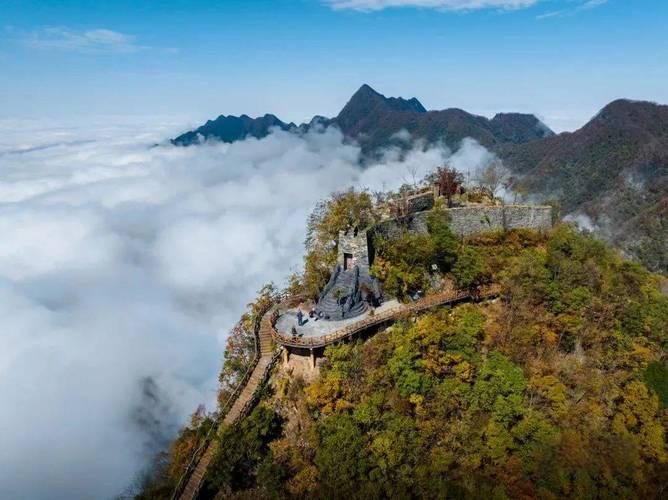
Most travelers arrive in China expecting futuristic skylines, high-speed trains, and neon-lit megacities.
Then they arrive in Luoyang.
And suddenly, time begins to move differently.
In Luoyang, centuries do not feel distant. They feel alive — hidden inside silent stone grottoes, drifting through incense-filled temples, carved into ancient city walls, and reflected in the calm waters beside old pavilions where poets once gathered under moonlight.
For foreign travelers searching for the soul of ancient China rather than only its modern surface, Luoyang offers something extraordinary: a rare opportunity to step directly into the birthplace of Chinese civilization.
As one of China’s oldest capitals, Luoyang was once the political and cultural center of multiple dynasties, including the Eastern Zhou, Han, and Tang. Today, it remains one of the country’s most underrated destinations for international visitors who want deeper history, authentic local culture, Buddhist heritage, traditional Chinese aesthetics, and a slower, more immersive travel experience.
Luoyang is not a city you simply visit.
It is a city you gradually unfold.
Why Foreign Travelers Are Discovering Luoyang
While many tourists rush between Beijing, Shanghai, and Chengdu, Luoyang remains refreshingly different.
It feels more grounded in ancient Chinese identity, offering experiences that are often difficult to find in larger international cities.
Foreign travelers are increasingly drawn to Luoyang because of its:
- Deep imperial history
- UNESCO Buddhist heritage sites
- Traditional Chinese architecture
- Authentic local food culture
- Fewer international crowds
- Rich Tang Dynasty atmosphere
- Famous peony flower festivals
- Easy high-speed rail access from major Chinese cities
For visitors interested in Chinese philosophy, Buddhism, archaeology, martial arts, or ancient Silk Road history, Luoyang feels like discovering a hidden chapter of the country.
The Longmen Grottoes: One of China’s Greatest Buddhist Wonders
The most iconic attraction in Luoyang is undoubtedly the Longmen Grottoes.
Stretching along limestone cliffs beside the Yi River, this UNESCO World Heritage site contains tens of thousands of Buddhist statues carved over centuries during imperial China.
Some statues are tiny enough to fit inside a hand.
Others tower several stories high.
Walking through the grottoes feels less like visiting a tourist attraction and more like entering an open-air spiritual museum shaped by devotion, empire, and artistic genius.
For many foreign visitors, the atmosphere becomes even more powerful near sunset, when golden light touches the ancient stone faces and the river reflects the cliffs in near silence.


7
White Horse Temple: Where Buddhism First Entered China
Another essential destination is White Horse Temple, widely considered the first Buddhist temple in China.
Founded during the Eastern Han Dynasty, the temple became the starting point for the spread of Buddhism throughout East Asia.
For international travelers interested in spirituality, history, or intercultural exchange, White Horse Temple offers remarkable depth.
Visitors can explore:
- Ancient prayer halls
- Incense ceremonies
- International Buddhist architecture zones
- Peaceful temple gardens
- Historical scripture traditions
Unlike some heavily commercialized attractions, the temple still maintains a calm and contemplative atmosphere.
Early morning visits are especially memorable, when monks chant softly while mist moves through the courtyards.


7
Luoyang’s Peony Festival: China’s Most Elegant Spring Celebration
Every spring, Luoyang transforms into one of the most beautiful flower destinations in Asia during the famous Luoyang Peony Festival.
Peonies have long symbolized prosperity, beauty, and nobility in Chinese culture, and Luoyang is considered their historical capital.
During the festival, parks and gardens explode with color as millions of flowers bloom across the city.
Foreign visitors especially enjoy:
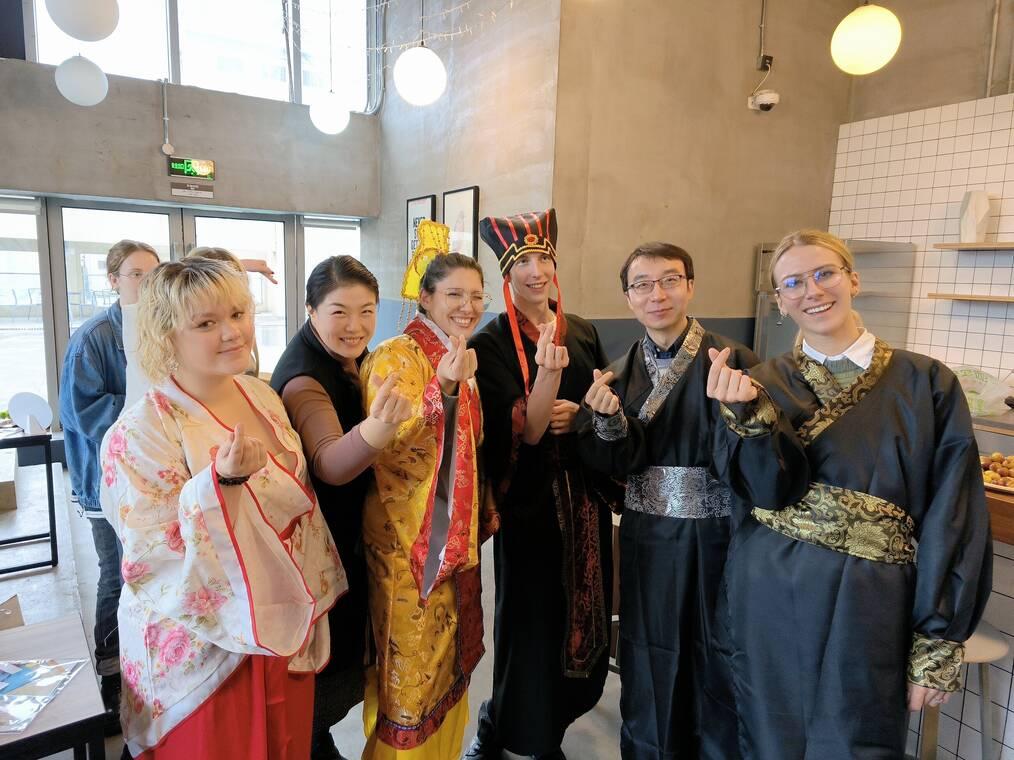
- Traditional Hanfu photography
- Classical Chinese garden scenery
- Flower-themed cultural performances
- Tang-style night events
- Tea ceremonies and art exhibitions
For photographers and cultural travelers, springtime in Luoyang feels cinematic.


7
Experience the Atmosphere of Ancient China at Luoyi Ancient City
Luoyi Ancient City has become one of the most visually immersive historical districts in central China.
At night, lanterns illuminate traditional architecture while performers in Tang Dynasty clothing recreate scenes inspired by ancient Chinese poetry and court culture.
Foreign travelers often enjoy:
- Renting traditional Hanfu clothing
- Watching folk dance and music performances
- Trying local snacks and tea houses
- Exploring night markets
- Taking cinematic travel photography
The district offers a rare blend of history and modern cultural creativity.
The Shaolin Connection: Kung Fu and Zen Culture Nearby
Luoyang is also closely connected to China’s martial arts heritage.
A short journey away is the legendary Shaolin Temple, globally famous for Zen Buddhism and kung fu traditions.
Many international visitors combine Luoyang with:
- Kung fu training experiences
- Meditation retreats
- Martial arts performances
- Traditional wellness programs
For travelers interested in mind-body culture, Henan Province offers one of China’s richest historical landscapes.


4
What Foreign Travelers Love About Luoyang Food
Luoyang’s cuisine is deeply tied to northern Chinese traditions and imperial history.
Popular local dishes include:
- Luoyang Water Banquet
- Lamb soup with flatbread
- Handmade noodles
- Fried dumplings
- Traditional palace-style snacks
- Henan braised specialties
One of the most fascinating experiences for foreigners is the famous “Water Banquet,” where multiple soup-based dishes are served continuously in a ceremonial style dating back centuries.
Food in Luoyang often feels historical rather than trendy — and that authenticity is exactly what many travelers appreciate.
Best Time to Visit Luoyang
Spring (March–May)
The most popular season due to peony blooms and comfortable weather.
Ideal for photography and cultural festivals.
Summer (June–August)
Warmer temperatures with lively night markets and green scenery.
Best for evening exploration.
Autumn (September–November)
Cool weather and golden foliage make this an excellent season for historical sightseeing.
Winter (December–February)
A quieter and more atmospheric experience with fewer tourists and dramatic temple scenery.
Travel Tips for International Visitors
Use High-Speed Rail
Luoyang is well connected by China’s modern rail network, making it easy to combine with destinations like:
- Xi’an
- Beijing
- Zhengzhou
Spend Time Beyond the Main Attractions
Some of the most memorable moments happen in:
- Local tea houses
- Temple courtyards
- Small alleyway restaurants
- Riverside evening walks
- Traditional craft workshops
Luoyang rewards slow travel.
Try Hanfu Photography
Many foreign visitors enjoy wearing traditional Chinese Hanfu clothing while exploring historical districts.
The experience creates a stronger emotional connection to the city’s ancient atmosphere.
Luoyang Is Where China’s Ancient Spirit Still Feels Alive
Some destinations impress travelers with scale.
Others impress them with luxury.
Luoyang leaves a different kind of impression — one rooted in memory, atmosphere, and emotional depth.
It is the sound of temple bells echoing across ancient courtyards at dawn.
It is the sight of thousands of Buddhist statues silently watching over a river for more than a thousand years.
It is the feeling of walking through lantern-lit streets where dynasties once shaped the future of Asia itself.
For foreign travelers seeking the deeper cultural heart of China, Luoyang offers something increasingly rare in modern tourism: authenticity without performance, history without distance, and beauty that reveals itself slowly.
And long after the journey ends, many visitors discover that Luoyang was not merely another stop in China.
It was the place where China finally began to feel timeless.
发表回复