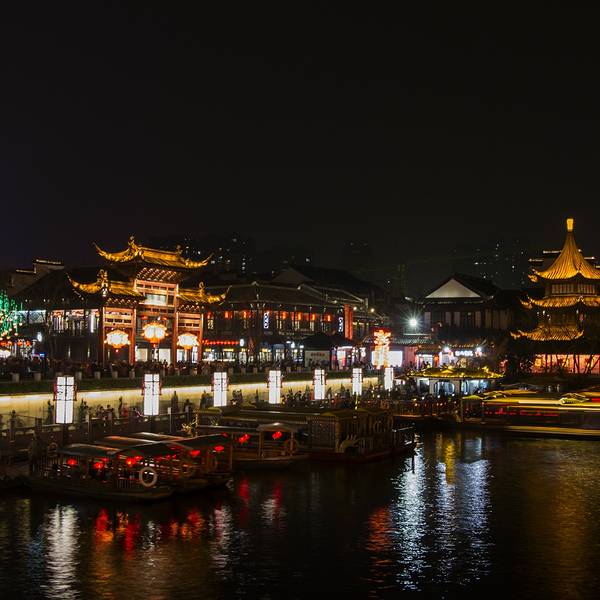
There is a version of China most international travelers never truly see.
It is not hidden inside skyscrapers or luxury malls. It exists in narrow stone alleys polished by centuries of footsteps, beside canals where wooden boats still glide through morning mist, beneath red lanterns reflecting on dark water after midnight.
In China’s ancient towns, time does not disappear — it lingers.
Far beyond the futuristic image of modern China lies a quieter world of riverside villages, mountain settlements, tea houses, old opera stages, hand-built bridges, and forgotten trading routes that once connected entire dynasties. These ancient towns offer foreign travelers something increasingly rare in global tourism: atmosphere.
Not staged history. Not museum history.
Living history.
For international visitors searching for authentic Chinese culture, traditional architecture, cinematic scenery, local food, and slow travel experiences, China’s ancient towns may become the most unforgettable part of the journey.
Why Ancient Town Travel in China Is Becoming So Popular Among Foreign Visitors
Many travelers arrive in China expecting massive cities and ultra-modern technology.
What surprises them most is discovering how deeply traditional life still survives inside the country’s ancient towns.
These destinations attract foreign visitors because they offer:
- Traditional Chinese architecture
- Peaceful slow-travel experiences
- Authentic local culture
- Beautiful photography locations
- Tea culture and handicrafts
- Local street food and night markets
- Ancient bridges, canals, and temples
- Less commercialized experiences than major cities
For many foreigners, ancient towns reveal the emotional side of China that large cities sometimes hide.
They are places where travelers can slow down, observe daily life, and feel connected to the rhythm of traditional Chinese culture.
Wuzhen: China’s Dreamlike Water Town
Among China’s most famous ancient towns, Wuzhen feels almost unreal at night.
Stone bridges cross quiet canals while lanterns illuminate wooden houses reflected perfectly in the water below. Early mornings are filled with mist drifting between old alleyways as local residents open traditional tea shops beside the river.
Foreign travelers especially love Wuzhen for:
- Classical Jiangnan water-town scenery
- Traditional wooden architecture
- Hand-dyed textile workshops
- Riverside boutique hotels
- Peaceful evening photography
- Chinese tea culture experiences
Unlike fast-paced urban tourism, Wuzhen encourages travelers to wander slowly without a strict schedule.


7
Fenghuang Ancient Town: China’s Most Atmospheric Riverside Town
Located in Hunan Province, Fenghuang Ancient Town is one of the most visually striking ancient towns in China.
Wooden stilt houses line the riverbanks while glowing lanterns create one of the country’s most cinematic night scenes.
Foreign travelers are often drawn to Fenghuang because it combines:
- Ethnic minority culture
- Mountain scenery
- Ancient architecture
- Riverside nightlife
- Traditional music and dance
- Authentic local markets
At night, the reflections on the Tuojiang River make the town feel almost suspended between fantasy and history.


8
Lijiang: Ancient Trade Routes Beneath Snow Mountains
Lijiang offers a completely different atmosphere from eastern China’s water towns.
Surrounded by dramatic mountain landscapes, the ancient town of Lijiang once served as a key stop along the ancient Tea Horse Road.
Today, international travelers visit for:
- Naxi ethnic culture
- Traditional courtyard architecture
- Mountain scenery
- Live folk music
- Yunnan cuisine
- Boutique guesthouses and cafés
The combination of old stone streets and distant snow peaks creates one of China’s most photogenic travel experiences.


4
Xitang: The Ancient Town That Feels Cinematic After Rain
Xitang is famous for its covered walkways, narrow canals, and poetic rainy-day atmosphere.
Many foreign travelers describe Xitang as feeling like a movie set, especially during light rain when reflections shimmer across the old stone streets.
Popular experiences include:
- Traditional boat rides
- Riverside cafés
- Handmade rice wine tasting
- Local snack streets
- Night photography
- Chinese calligraphy shops
For travelers seeking quiet beauty rather than large tourist attractions, Xitang offers remarkable charm.
Dali: Ancient Town Life Beside Erhai Lake
Dali has become especially popular among younger international travelers, digital nomads, and long-term slow travelers.
Unlike some heavily crowded destinations, Dali combines historical atmosphere with a relaxed artistic lifestyle.
Visitors can enjoy:
- Cycling beside Erhai Lake
- Bai ethnic culture
- Traditional markets
- Independent cafés and bookstores
- Mountain hiking
- Handmade crafts and pottery
Dali feels less like a tourist attraction and more like a lifestyle destination.


7
What Foreign Travelers Love Most About China’s Ancient Towns
The Feeling of Slow Travel
Unlike large cities filled with schedules and crowds, ancient towns encourage travelers to slow down.
Simple moments become memorable:
- Drinking tea beside canals
- Watching lanterns light up at sunset
- Listening to rain on old rooftops
- Exploring hidden alleyways without maps
- Discovering tiny family-run restaurants
For many visitors, these experiences feel more meaningful than famous landmarks.
Traditional Chinese Aesthetics Everywhere
Ancient towns are filled with details that fascinate foreign travelers:
- Wooden architecture
- Stone bridges
- Classical gardens
- Hanging lanterns
- Ancient calligraphy signs
- Courtyard homes
- Bamboo forests
- Traditional clothing culture
Many travelers feel like they are walking inside a historical painting.
Authentic Local Food Experiences
Ancient towns often preserve regional food traditions better than large modern cities.
Foreign travelers can try:
- Handmade noodles
- Traditional desserts
- Local rice wine
- Tea snacks
- Fresh river fish
- Ethnic minority cuisine
- Street barbecue and night market dishes
Food becomes an important part of cultural discovery.
Best Time to Visit China’s Ancient Towns
Spring
Mild weather, flowers, and misty scenery make spring ideal for photography and walking.
Summer
Lively night markets and river activities create vibrant evening atmospheres.
Autumn
Cool temperatures and golden scenery make this one of the best seasons for slow travel.
Winter
Fewer tourists and quieter streets create a more authentic feeling in many ancient towns.
Some water towns become especially beautiful during foggy winter mornings.
Tips for Foreign Travelers Exploring Ancient Towns in China
Stay Overnight Instead of Day-Tripping
Most ancient towns become magical after sunset once day tourists leave.
Nighttime is often the most memorable part of the experience.
Wake Up Early
Sunrise reveals the quietest and most authentic side of these destinations.
Morning mist, empty alleys, and local daily life create incredible photography opportunities.
Explore Beyond the Main Streets
The best moments usually happen away from crowded commercial areas.
Small side streets often contain:
- Family tea shops
- Local artists
- Traditional workshops
- Quiet temples
- Hidden riverside views
China’s Ancient Towns Are Not About Seeing the Past — They Are About Feeling It
Many destinations in the world can show travelers history.
Very few allow travelers to emotionally step inside it.
China’s ancient towns offer something difficult to explain until experienced personally: the sensation that the boundary between past and present has quietly disappeared.
One moment you may hear distant temple bells echo across a canal at dusk. The next, you are sitting beneath lantern light drinking tea in a courtyard older than entire countries.
These towns are not frozen museums.
They are living places where tradition still breathes through architecture, food, music, craftsmanship, and everyday life.
For foreign travelers searching for a more soulful side of China, ancient town journeys offer more than beautiful scenery.
They offer the rare chance to slow down enough to truly feel a civilization thousands of years old still gently moving beneath the surface of the modern world.
发表回复