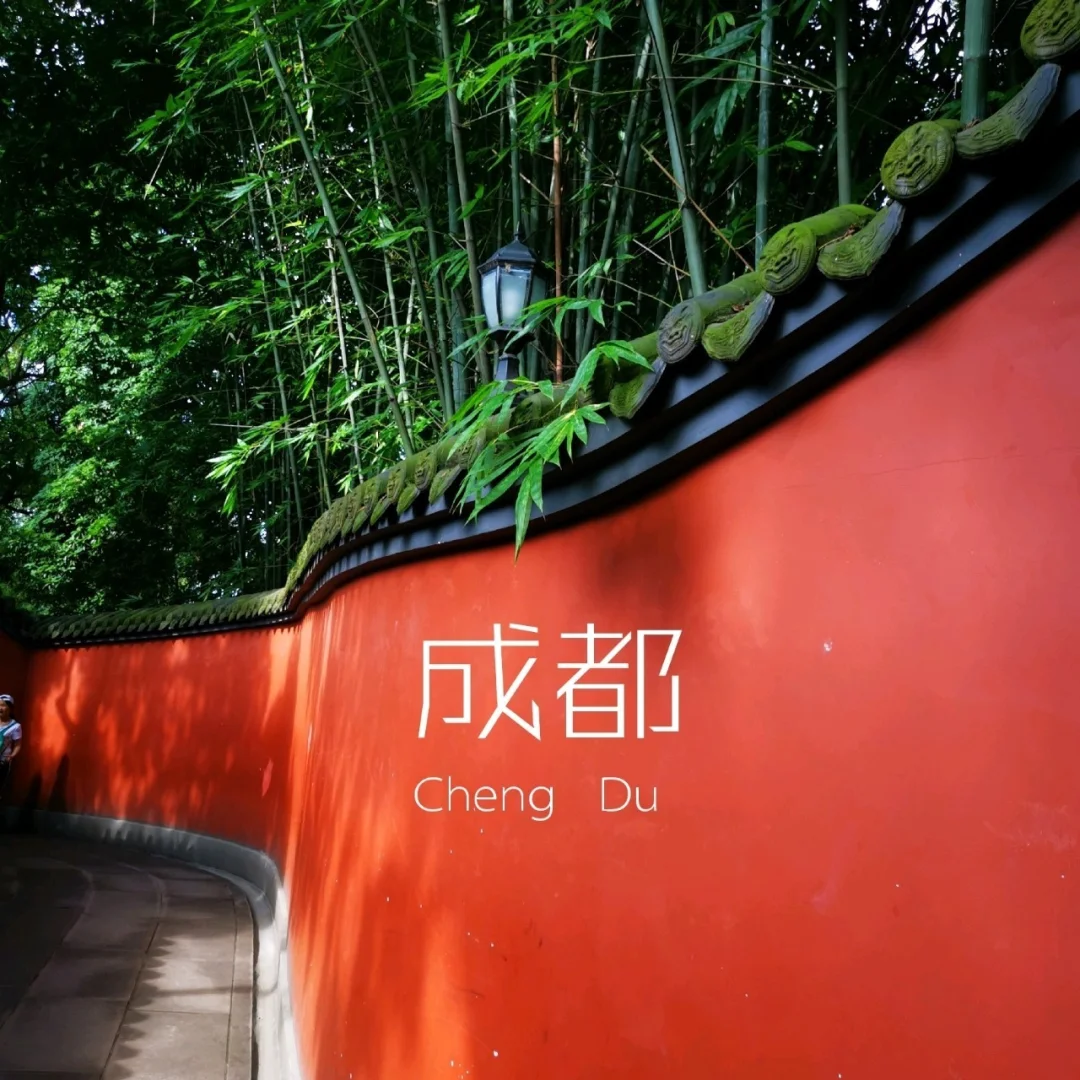
Most foreign travelers come to Sichuan for the pandas and spicy hotpot.
Very few realize that beyond the modern skyline of Chengdu lies another Sichuan entirely — one filled with forgotten river towns, incense-covered temples, misty mountain monasteries, bamboo forests, Taoist legends, and ancient streets where life still moves at the rhythm of tea, rain, and temple bells.
This is the Sichuan many international visitors never expect.
A Sichuan where monks chant beneath snow mountains at sunrise. Where elderly locals gather in centuries-old tea houses beside stone bridges. Where hidden temples appear through the fog like scenes from ancient Chinese paintings.
For foreign travelers searching for authentic Chinese culture, spiritual experiences, slow travel, traditional architecture, and cinematic landscapes, Sichuan’s ancient towns and temples offer one of the most immersive journeys anywhere in China.
And unlike heavily commercialized tourist destinations, much of Sichuan still feels emotionally real.
Why Foreign Travelers Are Drawn to Sichuan’s Ancient Towns and Temples
Sichuan has long been one of China’s most culturally rich regions, blending Buddhist traditions, Taoist philosophy, tea culture, mountain spirituality, and ethnic diversity into a single landscape.
International travelers increasingly choose Sichuan because it offers:
- Ancient Chinese towns with fewer tourist crowds
- Traditional tea culture and local lifestyles
- Sacred Buddhist and Taoist temples
- Dramatic mountain scenery
- Authentic Sichuan cuisine
- Panda conservation experiences
- Spiritual retreats and meditation spaces
- Deep historical atmosphere
For many foreigners, Sichuan feels less polished than eastern China — and that authenticity becomes its greatest attraction.
Huanglongxi Ancient Town: Sichuan’s Riverside Time Capsule
Located outside Chengdu, Huanglongxi Ancient Town is one of the best-preserved ancient towns in western China.
Stone streets, wooden buildings, old temples, and flowing canals create an atmosphere that feels almost untouched by modern time.
Foreign travelers especially love:
- Traditional Sichuan tea houses
- Riverside photography
- Handmade local snacks
- Lantern-lit evening walks
- Ancient temple courtyards
- Local opera performances
Unlike many reconstructed tourist towns, Huanglongxi still feels lived-in, with residents playing mahjong beside old alleyways and vendors preparing traditional foods using recipes passed down for generations.


6
Mount Qingcheng: Taoist Mountains Hidden in the Mist
Mount Qingcheng is one of the most spiritually atmospheric destinations in China.
Recognized as one of the birthplaces of Taoism, the mountain is filled with hidden temples surrounded by forests, waterfalls, and mountain mist.
Walking through Mount Qingcheng feels deeply cinematic:
- Ancient Taoist monasteries emerge through bamboo forests
- Temple bells echo across the mountains
- Incense drifts through stone stairways
- Monks quietly practice meditation in mountain courtyards
For foreign travelers interested in Chinese philosophy, spirituality, wellness, and nature, this is one of Sichuan’s most unforgettable experiences.


8
Dujiangyan: Ancient Engineering Beside Sacred Temples
Near Mount Qingcheng lies Dujiangyan, one of the oldest irrigation systems in the world still functioning today.
But for many foreign travelers, the real magic comes from the surrounding atmosphere:
- Ancient suspension bridges over rushing rivers
- Taoist temples built into mountain cliffs
- Traditional riverside neighborhoods
- Misty mountain scenery after rain
Dujiangyan combines engineering history with spiritual landscape in a way that feels uniquely Chinese.
At night, the illuminated bridges and flowing river create one of Sichuan’s most photogenic scenes.
Emei Mountain: Sacred Buddhist Temples Above the Clouds
Mount Emei is one of the holiest Buddhist mountains in China and a major highlight for international visitors.
The mountain contains dozens of temples spread across forests, cliffs, and cloud-covered peaks.
Foreign travelers often describe the experience as deeply spiritual even if they are not religious.
Popular experiences include:
- Watching sunrise above the clouds
- Staying overnight in mountain monasteries
- Listening to monks chanting at dawn
- Hiking through ancient forests
- Encountering wild monkeys along mountain trails
At the summit, golden temples appear suspended above the sea of clouds, creating one of the most surreal landscapes in Asia.


7
Luodai Ancient Town: Hakka Culture in Sichuan
Luodai Ancient Town offers a different cultural atmosphere from Sichuan’s river towns.
Known for its Hakka heritage, the town combines traditional architecture with regional folk culture.
International visitors enjoy:
- Traditional Sichuan-Hakka cuisine
- Folk performances
- Old courtyard homes
- Handmade crafts
- Quiet local tea houses
Luodai feels especially authentic during weekday mornings when local residents gather naturally in public squares and markets.
Wenshu Monastery: A Spiritual Sanctuary Inside Chengdu
Inside modern Chengdu, Wenshu Monastery provides a peaceful contrast to the busy city outside.
For foreign travelers, the monastery offers an accessible introduction to Chinese Buddhist culture.
Visitors can experience:
- Traditional Buddhist ceremonies
- Vegetarian temple cuisine
- Incense rituals
- Ancient calligraphy halls
- Quiet tea gardens
The monastery’s peaceful atmosphere often surprises travelers who expect Chengdu to feel only modern and urban.


7
Why Sichuan Feels Different From Other Parts of China
Many foreign travelers describe Sichuan as emotionally warmer and slower than other regions.
Life here often revolves around:
- Tea culture
- Conversation
- Local food
- Nature
- Spiritual traditions
- Community life
People spend hours sitting in bamboo chair tea houses, chatting beneath trees while rain falls softly outside.
This slower rhythm becomes one of the most memorable parts of traveling through Sichuan.
Sichuan Food Culture Is Part of the Journey
Exploring Sichuan’s ancient towns and temples also means experiencing one of the world’s most famous regional cuisines.
Travelers can try:
- Traditional Sichuan hotpot
- Handmade noodles
- Mapo tofu
- Local temple vegetarian dishes
- Tea-smoked duck
- Mountain mushroom soups
- Street barbecue and chili snacks
For many foreigners, Sichuan cuisine becomes one of the highlights of the entire China trip.
Best Time to Visit Sichuan’s Ancient Towns and Temples
Spring (March–May)
Misty mountains, blooming forests, and comfortable temperatures make spring ideal for photography and hiking.
Summer (June–August)
Lively festivals, green landscapes, and dramatic mountain clouds create cinematic scenery.
Autumn (September–November)
Cool weather and golden forests offer some of the best travel conditions of the year.
Winter (December–February)
Snow-covered temples and fewer tourists create a peaceful spiritual atmosphere.
Sichuan Is the China Many Travelers Secretly Hope to Find
Some destinations impress visitors for a few hours.
Sichuan stays in people’s memories for years.
Perhaps it is the sound of rain falling onto ancient rooftops inside forgotten towns. Or the sight of incense smoke drifting through mountain temples hidden deep in bamboo forests. Or the feeling of drinking tea beside old rivers while local life quietly unfolds around you without performance or spectacle.
Sichuan does not rush to entertain travelers.
Instead, it slowly reveals itself.
For foreign visitors searching for a deeper, quieter, and more spiritual side of China, Sichuan’s ancient towns and temples offer something increasingly rare in modern tourism: the feeling of discovering a world that still belongs to itself.
And once travelers experience dawn breaking above a temple hidden in the mountains of Sichuan, ordinary travel often feels very far away.
发表回复