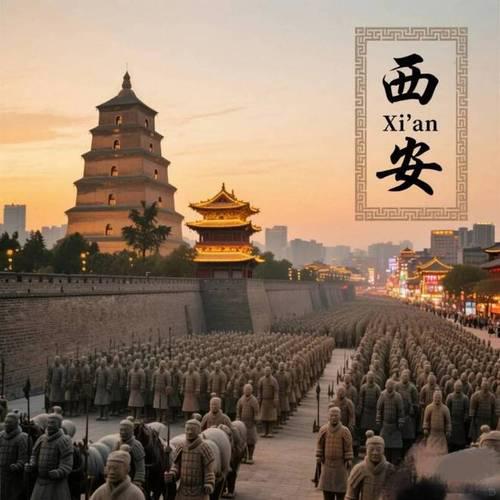
Most travelers visiting China dream of Beijing’s imperial palaces, Shanghai’s skyline, or the karst landscapes of Guilin. Yet hidden in the heart of northern China lies a region that feels untouched by modern tourism—a place where centuries-old merchant mansions still stand, stone-paved streets echo with stories from the Silk Road era, and entire towns seem frozen in time.
Welcome to Shanxi Province, one of China’s greatest hidden treasures.
Often overlooked by international visitors, Shanxi is home to some of the country’s most authentic ancient towns, remarkably preserved architecture, and fascinating cultural heritage. Long before China’s coastal cities became economic powerhouses, Shanxi’s merchants controlled vast trading networks that connected empires, deserts, and caravan routes across Asia.
Today, these forgotten merchant kingdoms remain waiting to be discovered by travelers seeking a deeper, more authentic side of China.
Why Visit Shanxi’s Ancient Towns?
Unlike many restored tourist towns elsewhere in China, Shanxi’s historic settlements retain a genuine atmosphere. Here, ancient city walls, traditional courtyards, temples, and narrow alleyways are part of everyday life rather than staged attractions.
Foreign travelers are increasingly drawn to Shanxi because it offers:
- Authentic Chinese history beyond the usual tourist routes
- UNESCO-listed heritage sites
- Traditional architecture dating back hundreds of years
- Rich merchant culture
- Local food experiences
- Less crowded destinations
- Excellent photography opportunities
For history lovers, photographers, and cultural explorers, Shanxi is one of China’s most rewarding destinations.
Pingyao Ancient City: China’s Best-Preserved Walled Town
A Living Museum of Imperial China
No journey through Shanxi is complete without visiting Pingyao Ancient City.
Pingyao Ancient City is one of the world’s most complete surviving examples of a traditional Han Chinese city. Its ancient walls, watchtowers, temples, and merchant compounds have remained remarkably intact for centuries.
What Makes Pingyao Special?
Walking through Pingyao feels like stepping into a historical film set.
Highlights include:
- Massive Ming Dynasty city walls
- Traditional merchant mansions
- Ancient financial institutions
- Historic temples
- Stone-paved streets
- Lantern-lit alleyways
The city played a crucial role in China’s financial history, serving as the birthplace of some of the country’s earliest banking systems.
Best Experiences in Pingyao
- Cycle along the ancient city walls
- Explore hidden courtyards
- Watch traditional shadow puppet performances
- Sample local Shanxi noodles
- Photograph the city at sunrise and sunset
Suggested Image Placement
Ancient city walls, traditional streets, and lantern-lit alleys of Pingyao.
Qikou Ancient Town: The Yellow River Trading Port
Where Mountains Meet the Yellow River
Nestled along the mighty Yellow River, Qikou Ancient Town was once one of northern China’s busiest commercial ports.
Before railways transformed transportation, merchants transported goods through this strategic river crossing, creating a prosperous trading center that connected inland China with distant markets.
Today, visitors can still wander through:
- Ancient stone streets
- Historic merchant houses
- Traditional cave dwellings
- Riverside marketplaces
- Mountain viewpoints
Don’t Miss Lijiashan Village
Just outside Qikou lies the extraordinary Lijiashan Village.
Built directly into the hillsides, the village’s cave-style homes create one of China’s most unique rural landscapes.
Many photographers consider it one of the country’s most underrated destinations.
Zhangbi Ancient Castle: China’s Underground Mystery
The Hidden Fortress Beneath the Earth
Among Shanxi’s most fascinating historical sites is Zhangbi Ancient Castle.
At first glance, it appears to be a quiet fortified village. Beneath the surface, however, lies an extensive underground tunnel network stretching for kilometers.
Historians still debate parts of its original purpose, adding an air of mystery to the site.
Visitors can explore:
- Ancient defensive tunnels
- Military fortifications
- Historic temples
- Traditional architecture
- Underground chambers
The combination of military history and local culture makes Zhangbi unlike anywhere else in China.
Suggested Image Placement
Underground tunnels and ancient fortress architecture of Zhangbi Ancient Castle.
The Grand Courtyard Houses of Shanxi Merchants
One of Shanxi’s greatest cultural treasures is its magnificent merchant mansions.
During the Ming and Qing Dynasties, Shanxi merchants became some of the wealthiest businesspeople in China. Their prosperity is reflected in elaborate residential compounds that still survive today.
Notable examples include:
Wang Family Compound
Wang Family Compound is often called the “Forbidden City of Folk Architecture.”
Its vast network of courtyards, halls, and decorative carvings demonstrates the wealth and sophistication of Shanxi’s merchant elite.
Qiao Family Compound
Qiao Family Compound became internationally famous after serving as a filming location for several historical dramas.
Visitors can admire:
- Intricate wood carvings
- Elegant courtyards
- Traditional Chinese architecture
- Historical family residences
These compounds provide a fascinating window into China’s commercial history.
Shanxi Cuisine: A Paradise for Noodle Lovers
Shanxi’s culinary traditions are as impressive as its architecture.
The province is widely regarded as China’s noodle capital.
Must-try dishes include:
Hand-Pulled Noodles
Freshly stretched and served with flavorful sauces.
Knife-Cut Noodles
A local specialty known for its unique texture.
Mature Vinegar Dishes
Shanxi’s famous aged vinegar adds distinctive flavors to many local recipes.
Traditional Street Snacks
Ancient towns throughout the province offer authentic local treats rarely found elsewhere in China.
Food enthusiasts often discover that Shanxi cuisine becomes one of the highlights of their journey.
Best Time to Visit Shanxi Ancient Towns
Spring (April–May)
- Mild temperatures
- Blossoming landscapes
- Comfortable sightseeing
Summer (June–August)
- Green countryside
- Cultural festivals
- Longer daylight hours
Autumn (September–October)
- Golden scenery
- Crisp weather
- Ideal photography conditions
Winter (November–February)
- Snow-covered ancient architecture
- Fewer tourists
- Atmospheric historical scenery
Autumn is generally considered the best season for photography and cultural exploration.
Travel Tips for International Visitors
- Combine Shanxi with nearby Beijing or Xi’an.
- Spend at least 5–7 days exploring the province.
- Hire local guides for deeper historical insights.
- Stay overnight inside ancient towns whenever possible.
- Bring comfortable walking shoes for cobbled streets.
- Visit early morning for the best photography opportunities.
Final Thoughts: Discover the China Most Travelers Never See
While millions of visitors rush toward China’s famous landmarks, Shanxi quietly preserves a different story—one written not by emperors alone, but by merchants, travelers, craftsmen, and families whose legacy still survives behind ancient walls.
Here, you can wander through centuries-old streets without the crowds, watch sunlight spill across weathered courtyards, and experience a side of China that remains remarkably authentic in a rapidly changing world.
For travelers searching for history that feels alive, architecture that tells stories, and destinations that still inspire genuine discovery, Shanxi’s ancient towns offer something increasingly rare in modern travel: the chance to step beyond the guidebooks and into the soul of old China.
Long after the photographs are taken and the journey ends, it is the quiet atmosphere of these timeless towns that will stay with you—an enduring reminder that some of China’s greatest treasures remain hidden in plain sight.

发表回复