Imagine a city where six dynasties shaped history, where ancient city walls stretch across green hills, where cherry blossoms bloom beside imperial mausoleums, and where trendy cafés occupy streets once walked by emperors, scholars, and explorers.
Welcome to Nanjing.
For many international travelers, China is often represented by the futuristic skylines of Shanghai or the imperial grandeur of Beijing. Yet those who venture to Nanjing discover something entirely different: a city where history feels alive rather than preserved, where centuries-old traditions coexist naturally with modern urban life, and where every neighborhood tells a story spanning more than 2,500 years.
Located along the lower reaches of the Yangtze River, Nanjing is one of China’s Four Great Ancient Capitals and one of the country’s most rewarding destinations for travelers seeking culture, architecture, food, history, and authentic local experiences. Surprisingly, it remains far less crowded with international tourists than many of China’s better-known cities.
For visitors looking to understand the real depth of Chinese civilization, Nanjing may be the most fascinating city they have never considered.
Why Foreign Travelers Are Choosing Nanjing Over More Famous Chinese Cities
Nanjing offers something that many major tourist destinations struggle to provide: balance.
The city combines historical significance, beautiful natural scenery, excellent transportation, modern amenities, and a relaxed pace of life that makes exploration enjoyable rather than overwhelming.
International visitors are increasingly drawn to Nanjing because of its:
- Rich imperial history
- Ancient city walls and palaces
- Beautiful lakes and mountain parks
- Authentic Jiangsu cuisine
- High-speed rail accessibility
- Vibrant university culture
- Traditional Chinese architecture
- Fewer tourist crowds compared to Beijing and Shanghai
Unlike cities that focus on a single attraction, Nanjing offers a complete cultural experience.
Walk Along One of the World’s Longest Ancient City Walls
One of Nanjing’s most impressive landmarks is the Ming Dynasty City Wall.
Built over 600 years ago, the wall remains one of the longest and best-preserved ancient city fortifications in the world.
Walking along its elevated pathways provides incredible views of:
- Historic neighborhoods
- Modern skyscrapers
- Ancient gates
- Tree-lined boulevards
- Xuanwu Lake
Unlike many historic walls around the world, large sections of Nanjing’s wall remain integrated into everyday city life, creating a unique connection between past and present.
Early morning walks are especially memorable, as local residents exercise beneath centuries-old brick towers while the city slowly awakens.
Discover the Beauty of Xuanwu Lake
At the foot of the ancient city wall lies Xuanwu Lake, one of the most scenic urban parks in China.
For foreign visitors, the lake offers a refreshing contrast to the fast pace of urban sightseeing.
Popular activities include:
- Cycling around the lakeside paths
- Boat rides between islands
- Cherry blossom photography in spring
- Traditional garden visits
- Sunset walks along the waterfront
The combination of water, greenery, and historical surroundings makes Xuanwu Lake one of Nanjing’s most relaxing destinations.
Explore the Legacy of China’s Emperors
History lovers will find Nanjing particularly rewarding.
The city played a crucial role during multiple dynasties and served as the capital of China several times throughout history.
One of the most significant historical sites is the Ming Xiaoling Mausoleum, the resting place of the founding emperor of the Ming Dynasty.
Visitors can walk along the famous Sacred Way, lined with massive stone animals and guardian statues that have watched over the site for centuries.
The peaceful forest setting creates an atmosphere unlike many crowded historical attractions elsewhere in Asia.
Visit the Confucius Temple District After Dark
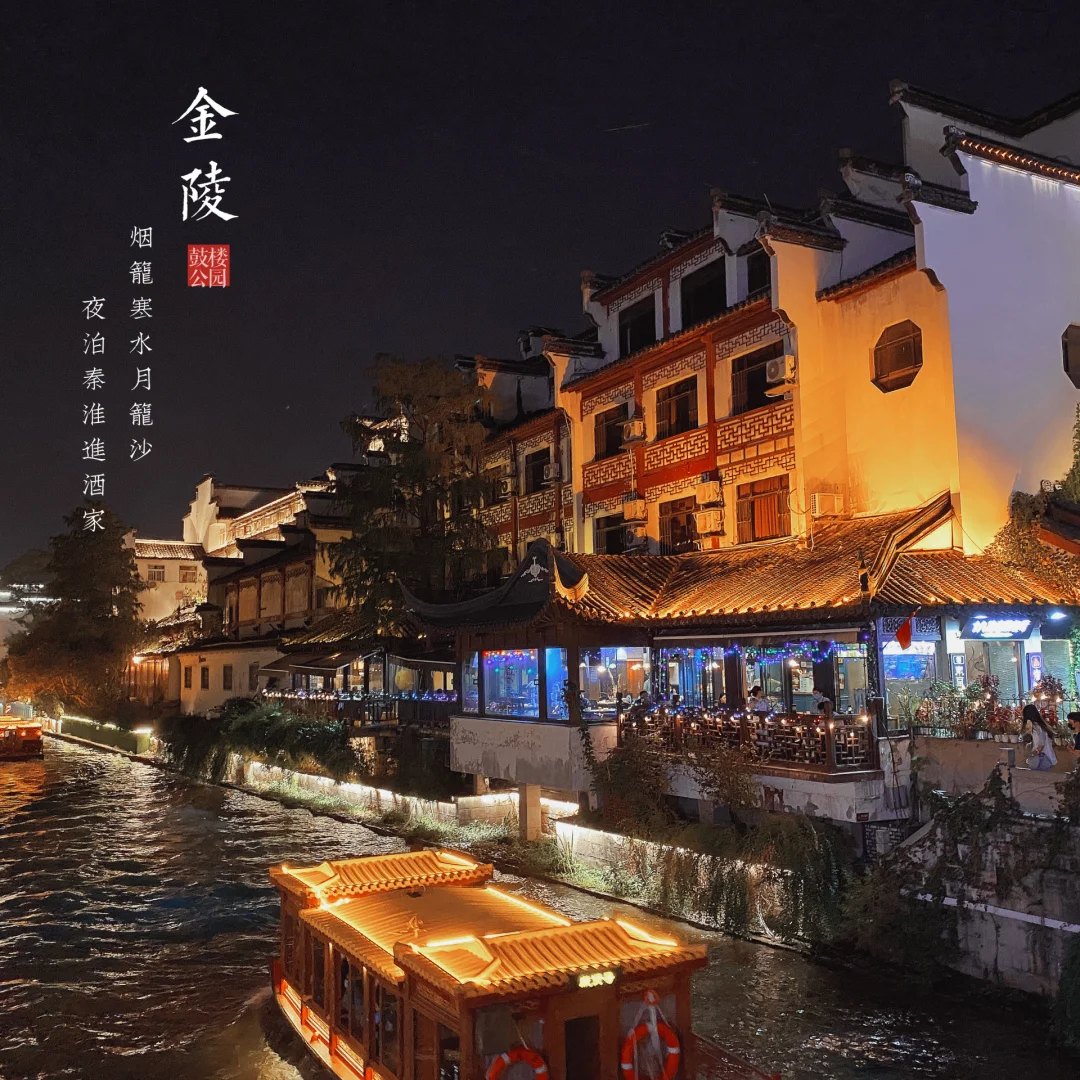
As evening falls, the Confucius Temple area transforms into one of Nanjing’s most atmospheric neighborhoods.
Traditional lanterns illuminate canals, historic buildings reflect on the water, and local food vendors fill the streets with tempting aromas.
Travelers can enjoy:
- Traditional Chinese architecture
- Night cruises on the Qinhuai River
- Street food tasting
- Cultural performances
- Boutique souvenir shops
The district offers an excellent opportunity to experience both local culture and modern nightlife in a historical setting.
Purple Mountain: Nature, History, and Panoramic Views
Purple Mountain is one of the most beloved outdoor destinations in Nanjing.
The area combines forests, historical landmarks, hiking trails, and scenic viewpoints.
Popular attractions include:
- Sun Yat-sen Mausoleum
- Ming Xiaoling Mausoleum
- Ancient temples
- Observation platforms
- Forest walking trails
For travelers who enjoy combining culture with outdoor activities, Purple Mountain is an essential stop.
During autumn, colorful foliage transforms the entire area into one of eastern China’s most photogenic landscapes.
Experience Nanjing’s Food Culture
Nanjing’s cuisine reflects centuries of cultural exchange and regional influences.
Food lovers should not miss:
Nanjing Salted Duck
Often considered the city’s signature dish, this delicately flavored duck has been enjoyed for generations.
Duck Blood Vermicelli Soup
A unique local specialty that offers visitors an authentic taste of traditional Nanjing cuisine.
Tangbao Soup Dumplings
Filled with rich broth and savory fillings, these dumplings are a favorite among both locals and travelers.
Traditional Street Snacks
Exploring local markets reveals countless regional treats rarely found outside Jiangsu Province.
For many foreign visitors, Nanjing becomes one of China’s most underrated culinary destinations.
Hidden Experiences Most Tourists Miss
Some of Nanjing’s most rewarding experiences happen away from major attractions.
Consider:
- Visiting local tea houses
- Exploring university neighborhoods
- Walking residential lanes near the old city wall
- Watching locals practice Tai Chi at sunrise
- Visiting small art galleries and bookstores
These everyday moments often provide deeper cultural insight than famous landmarks.
Best Time to Visit Nanjing
Spring (March–May)
Cherry blossoms, mild temperatures, and blooming gardens make spring one of the most beautiful seasons.
Summer (June–August)
Lush greenery and lively night markets create a vibrant atmosphere.
Autumn (September–November)
Cool weather and colorful foliage make this the ideal season for sightseeing.
Winter (December–February)
Fewer tourists and peaceful historical sites offer a more intimate travel experience.
Practical Travel Tips for Foreign Visitors
- Spend at least three to four days in the city.
- Use high-speed rail connections to combine Nanjing with Shanghai, Suzhou, or Hangzhou.
- Bring comfortable walking shoes.
- Explore both daytime and nighttime attractions.
- Leave time for spontaneous discoveries rather than following a strict itinerary.
Nanjing Is the China Many Travelers Wish They Had Found Sooner
Some cities impress visitors with famous landmarks.
Others impress them with luxury or entertainment.
Nanjing does something different.
It slowly reveals layers of history, culture, nature, and daily life until travelers realize they are experiencing a version of China that feels both ancient and remarkably alive.
You might begin your morning standing atop a 600-year-old city wall, spend the afternoon cycling beside a peaceful lake, and end the evening drifting along a lantern-lit canal where reflections dance across the water exactly as they did centuries ago.
In a country filled with extraordinary destinations, Nanjing remains one of the most rewarding discoveries for international travelers.
Not because it tries to impress.
But because it doesn’t have to.

发表回复