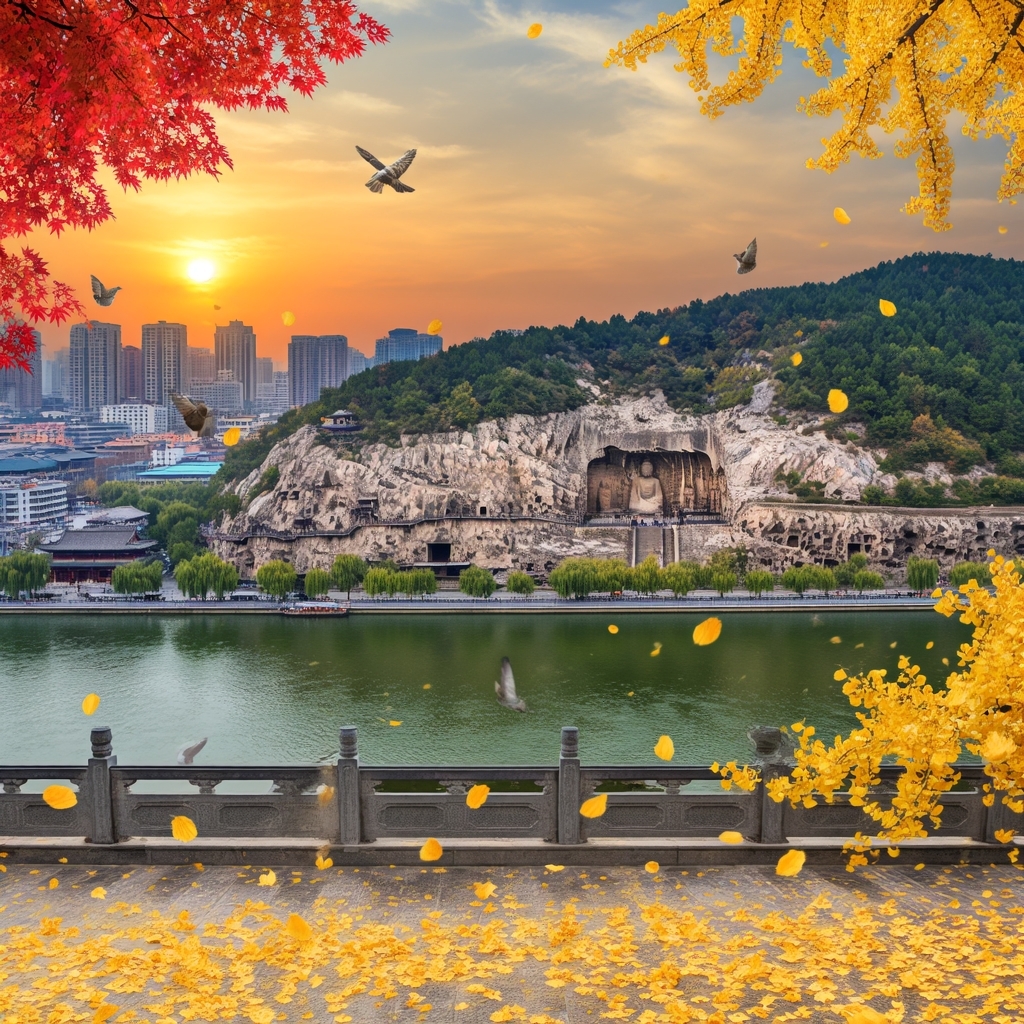
Why Luoyang Is the Closest Thing to Time Travel in Modern China
Some cities tell stories.
Others preserve history.
But a handful of places allow you to step directly into the foundations of an entire civilization.
Luoyang is one of those rare places.
Long before Beijing became China’s political center and Shanghai rose as a global metropolis, Luoyang stood at the heart of Chinese history. For over a thousand years, emperors ruled from here, philosophers shaped ideas that influenced generations, and traders carried culture and commerce across Asia along the Silk Road.
Today, Luoyang offers something increasingly difficult to find in modern travel: the opportunity to experience the birthplace of a civilization while still feeling connected to everyday local life. From magnificent Buddhist cave temples carved into cliffs to peaceful ancient monasteries and vibrant night markets, Luoyang invites travelers to explore the deeper layers of China’s story.
For visitors seeking history, culture, architecture, and authentic experiences beyond the usual tourist trail, Luoyang may be one of China’s most fascinating destinations.
Where Is Luoyang?
Located in central China’s Henan Province, Luoyang sits along the historic Yellow River region and has served as the capital of thirteen Chinese dynasties.
Often referred to as the “Cradle of Chinese Civilization,” the city occupies a unique place in Chinese history and remains one of the country’s most important cultural destinations.
Today, Luoyang combines:
- UNESCO World Heritage Sites
- Ancient Buddhist heritage
- Silk Road history
- Traditional Chinese architecture
- Modern urban conveniences
Making it an ideal destination for international travelers exploring China’s cultural heartland.
1. Explore the Magnificent Longmen Grottoes


6
The crown jewel of Luoyang is undoubtedly the Longmen Grottoes.
Stretching along limestone cliffs beside the Yi River, this UNESCO World Heritage Site contains more than 100,000 Buddhist statues carved over several centuries.
Walking through Longmen feels like entering an open-air museum on a monumental scale.
Highlights include:
- Giant Buddha sculptures
- Intricately carved cave temples
- Ancient inscriptions
- Scenic riverside pathways
- Extraordinary Tang Dynasty artwork
The largest Buddha statue towers above visitors with remarkable serenity, showcasing the artistic achievements of ancient China.
For many travelers, Longmen becomes one of the most memorable cultural experiences in the country.
2. Visit the First Buddhist Temple in China


5
Known as the birthplace of Chinese Buddhism, White Horse Temple holds a special place in Asian religious history.
Founded nearly two thousand years ago, it is widely recognized as China’s first Buddhist temple.
Visitors can explore:
- Ancient temple halls
- Peaceful courtyards
- Historic pagodas
- International Buddhist architecture
- Beautiful gardens
The atmosphere here feels distinctly different from many tourist attractions, offering a tranquil environment for reflection and cultural discovery.
3. Discover the Ancient Capital’s Imperial Legacy
For centuries, Luoyang served as one of China’s most important political and cultural centers.
The city’s historical significance rivals many of the world’s great ancient capitals.
Travelers interested in history can visit the Yingtian Gate and surrounding heritage areas that showcase the grandeur of ancient dynasties.
Here, visitors can imagine:
- Imperial ceremonies
- Silk Road merchants arriving from distant lands
- Scholars debating philosophy
- Royal processions crossing the capital
Few cities in Asia offer such a direct connection to multiple eras of civilization.
4. Experience Luoyang’s Famous Peony Culture


8
Luoyang is known throughout China as the “City of Peonies.”
Every spring, millions of blooming flowers transform parks and gardens into colorful landscapes.
The annual Luoyang Peony Festival attracts visitors from across the world.
For photographers and nature lovers, this period offers:
- Spectacular floral displays
- Traditional cultural performances
- Garden exhibitions
- Seasonal local foods
- Excellent photography opportunities
Spring is often considered one of the most beautiful times to visit the city.
5. Explore the Ancient Silk Road Connection
Luoyang was once an important eastern gateway of the legendary Silk Road.
Merchants, monks, diplomats, and explorers passed through the city carrying ideas, religions, art, and goods between China and the wider world.
This international history can still be felt today through:
- Buddhist heritage sites
- Ancient trade routes
- Archaeological discoveries
- Cultural museums
- Historical exhibitions
For travelers interested in global history, Luoyang offers a fascinating perspective on early international connections between East and West.
6. Wander Through Luoyang’s Old Town After Dark
As evening falls, the city’s historic districts come alive with lights, music, and local flavors.
The Lijing Gate area is particularly popular for evening exploration.
Visitors can enjoy:
- Traditional architecture illuminated at night
- Local snacks and street food
- Cultural performances
- Handcrafted souvenirs
- Atmospheric photography
The combination of ancient surroundings and modern energy creates a memorable experience for visitors.
What Should Foreign Travelers Eat in Luoyang?
Luoyang cuisine reflects centuries of cultural exchange and regional traditions.
Popular specialties include:
- Luoyang Water Banquet
- Handmade wheat noodles
- Traditional dumplings
- Local soups
- Sesame-based snacks
The famous Water Banquet consists of multiple dishes served in a carefully designed sequence, representing one of China’s most unique dining traditions.
Best Time to Visit Luoyang
Spring (March–May)
- Peony blooms
- Pleasant weather
- Cultural festivals
Summer (June–August)
- Vibrant city atmosphere
- Longer sightseeing hours
Autumn (September–November)
- Comfortable temperatures
- Excellent photography conditions
Winter (December–February)
- Fewer crowds
- Peaceful heritage sites
For most international visitors, spring and autumn provide the best overall travel experience.
Suggested 3-Day Luoyang Itinerary
Day 1
- Longmen Grottoes
- Yi River scenic walk
- Evening in the Old Town
Day 2
- White Horse Temple
- Historical museums
- Traditional food experiences
Day 3
- Ancient city attractions
- Cultural performances
- Local markets and shopping
This itinerary balances history, culture, cuisine, and leisure exploration.
Final Thoughts: Why Luoyang Is the Soul of Ancient China
If Beijing showcases China’s imperial ambition and Shanghai reflects its modern future, Luoyang reveals something even deeper—the origins of the civilization itself.
Here, every carved Buddha, ancient temple, and weathered stone pathway tells a story that stretches back thousands of years. Yet Luoyang is not a city frozen in the past. It is a living destination where history continues to shape daily life, where ancient traditions coexist with modern creativity, and where travelers can experience a side of China that feels profoundly authentic.
For those who dream of walking through the pages of history rather than simply reading about it, Luoyang offers an unforgettable journey. It is more than a destination—it is an invitation to witness the foundations of one of the world’s oldest continuous civilizations and discover why China’s story truly begins here.
发表回复