

8
Tibet Is Not a Destination — It’s a Different Way of Seeing the World
Most travelers arrive in Tibet expecting mountains.
They leave remembering people.
Long before your camera fills with images of snow-covered peaks and turquoise lakes, something else begins to happen. Time slows down. Conversations become quieter. Distances feel larger. The modern world that usually demands your attention fades into the background.
Tibet isn’t merely another stop on a bucket list. It is one of the few places left on Earth where nature still dominates the horizon and ancient traditions remain woven into everyday life.
Perched on the vast Tibetan Plateau at an average elevation of over 4,000 meters (13,000 feet), Tibet offers travelers a rare combination of dramatic landscapes, deep spiritual heritage, and genuine cultural immersion. Whether you’re searching for epic photography opportunities, meaningful cultural encounters, or the adventure of a lifetime, Tibet delivers experiences that remain vivid long after the journey ends.
Why Tibet Captivates Travelers From Around the World
For many international visitors, Tibet feels unlike anywhere else in Asia.
Unlike crowded tourist destinations where attractions are neatly packaged, Tibet rewards curiosity and patience. Here, centuries-old monasteries cling to mountain slopes, nomadic families still herd yaks across vast grasslands, and prayer flags flutter in the wind beneath some of the highest peaks on Earth.
Visitors often describe three things that make Tibet unforgettable:
1. The Scale of Nature
Tibet’s landscapes challenge your sense of proportion.
Roads stretch toward distant horizons. Lakes shimmer beneath enormous skies. Snow-capped mountains appear almost unreal in their grandeur.
Some of the most breathtaking natural attractions include:
- Yamdrok Lake
- Namtso Lake
- Mount Everest North Base Camp
- Karola Glacier
- Nyenchen Tanglha Mountains
- Yarlung Tsangpo River Valley
Every turn reveals scenery that feels untouched by time.


8
Experiencing the Spiritual Heart of Tibet
One of Tibet’s greatest attractions isn’t a place at all.
It’s the atmosphere.
Even travelers with little interest in religion often find themselves fascinated by Tibetan Buddhism and the role it plays in daily life.
Early in the morning, local pilgrims circle sacred temples while spinning prayer wheels. Monks chant ancient scriptures inside candlelit halls. Incense drifts through narrow alleys as residents continue traditions passed down through generations.
Highlights include:
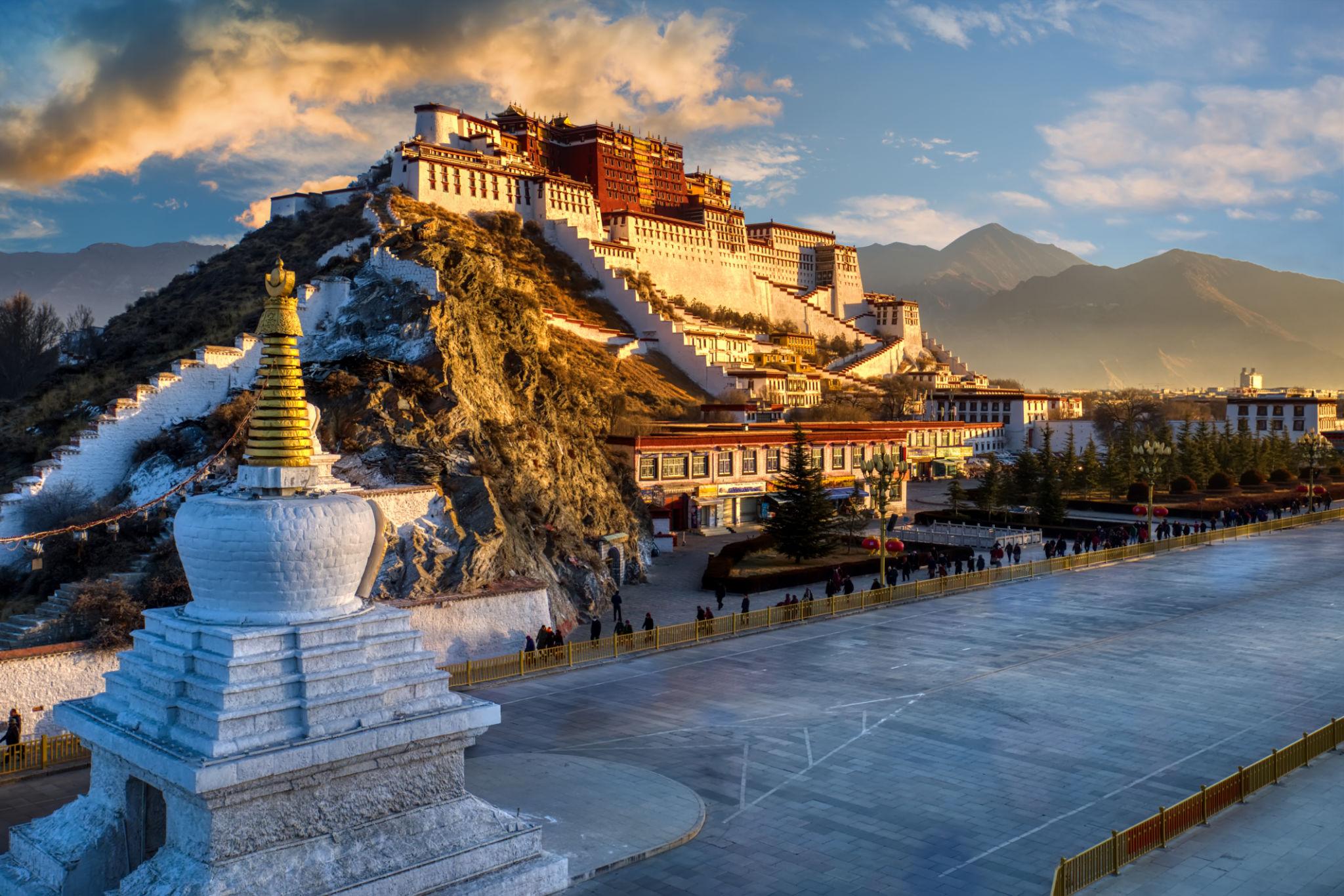
Potala Palace
Once the winter residence of the Dalai Lamas, the Potala Palace rises dramatically above Lhasa and remains one of Asia’s most iconic architectural landmarks.
Jokhang Temple
The spiritual center of Tibetan Buddhism, Jokhang Temple attracts pilgrims from every corner of the plateau.
Sera Monastery
Known for its lively monk debates, Sera Monastery offers visitors a rare glimpse into traditional Buddhist education.
These sites are not museums. They remain living centers of faith and community.
The Ultimate Adventure: Reaching Everest From Tibet
Many travelers are surprised to learn that one of the most spectacular views of Mount Everest is found in Tibet.
The northern approach offers wide-open panoramas that reveal the mountain’s immense scale.
The journey itself becomes part of the adventure.
Travelers cross high mountain passes, remote valleys, and traditional Tibetan villages before arriving at Everest Base Camp on the Tibetan side. Along the way, changing light conditions create endless opportunities for photography.
Sunrise over Everest is often described as a once-in-a-lifetime experience.
As the first golden rays strike the summit, the world’s highest mountain appears almost suspended above the clouds.


6
Tibetan Culture: More Than Monasteries
While monasteries often receive the most attention, Tibet’s living culture extends far beyond religious sites.
Travelers who venture deeper into the region may encounter:
- Nomadic yak herders on the grasslands
- Traditional Tibetan family homes
- Local festivals filled with colorful costumes
- Ancient trade towns along historic caravan routes
- Authentic Tibetan cuisine and butter tea
Simple moments often become the most memorable.
Sharing tea with a local family or watching children play beneath prayer flags can reveal more about Tibet than any guidebook ever could.
Best Time to Visit Tibet
The ideal travel season depends on what you hope to experience.
April to June
Perfect weather, blooming landscapes, and fewer crowds.
July to August
Lush scenery and vibrant cultural activity, although occasional rain showers can occur.
September to October
Widely considered the best season for photography, with crystal-clear skies and spectacular mountain views.
November to March
Fewer visitors and unique winter scenery, especially in Lhasa.
For most international travelers, September and October offer the best combination of weather, visibility, and cultural experiences.
Photography Opportunities That Feel Endless
Tibet is a dream destination for photographers.
Subjects range from epic landscapes to intimate cultural moments:
- Golden-hour views of the Potala Palace
- Reflection photography at Yamdrok Lake
- Star-filled skies above Everest Base Camp
- Monks performing daily rituals
- Traditional Tibetan villages
- Prayer flags stretching across mountain passes
The combination of high altitude, clean air, and powerful natural light creates conditions rarely found elsewhere in the world.
Essential Tips for First-Time Visitors
Before traveling to Tibet, keep these practical tips in mind:
- Allow time to acclimatize to the altitude.
- Stay hydrated throughout your trip.
- Travel with a licensed Tibet tour operator.
- Pack sunscreen and sunglasses.
- Bring layers for rapidly changing temperatures.
- Respect local customs and religious practices.
A slower pace often leads to a more rewarding experience.
Final Thoughts: Why Tibet Changes the Way You Travel
There are places you visit.
And there are places that stay with you.
Tibet belongs firmly in the second category.
Perhaps it’s the silence of the plateau, the devotion of the pilgrims, or the sight of distant mountains stretching endlessly beneath an impossibly blue sky. Whatever the reason, Tibet leaves an impression that goes beyond photographs and souvenirs.
In a world increasingly connected and fast-moving, Tibet offers something many travelers don’t realize they’re searching for until they arrive: space to reflect, room to breathe, and a chance to experience a culture that remains deeply connected to its history, spirituality, and landscape.
The journey to Tibet may take you to the highest region on Earth, but many travelers discover that the most meaningful part of the experience happens within themselves.
If you’re looking for a destination that combines adventure, culture, photography, and genuine human connection, Tibet may be the most extraordinary journey you’ll ever take.
发表回复