The Chinese City That Makes Travelers Stay Longer Than Planned
Most visitors arrive in Hangzhou expecting a beautiful lake.
What they don’t expect is how difficult it becomes to leave.
There are cities that impress you with famous landmarks. There are cities that overwhelm you with skyscrapers and crowds. Then there is Hangzhou—a place that quietly works its way into your memory through morning walks beneath willow trees, hidden tea villages in the hills, and evenings spent watching the sun disappear into a misty horizon.
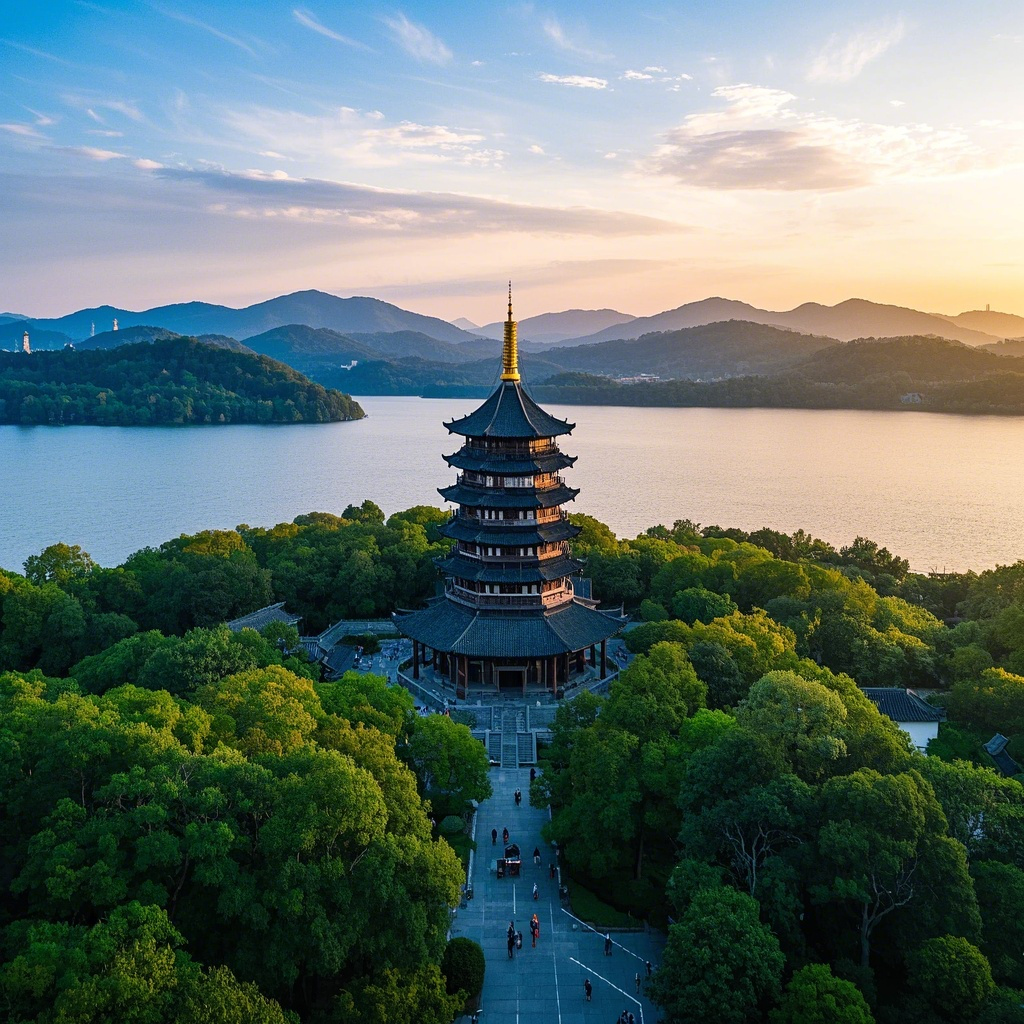
For centuries, poets, emperors, merchants, and travelers have fallen in love with Hangzhou. Marco Polo reportedly described it as one of the finest cities he had ever seen. Nearly 800 years later, that sense of wonder still lingers.
Located just an hour from Shanghai by high-speed train, Hangzhou offers international travelers a rare opportunity to experience both traditional Chinese culture and modern urban life without sacrificing comfort, convenience, or authenticity.
[Insert Image: Sunrise over West Lake with traditional Chinese pavilion]
Why Hangzhou Feels Different from Other Chinese Cities
China has many beautiful destinations, but Hangzhou possesses a balance that few places can match.
It is modern without feeling overwhelming.
Historic without feeling frozen in time.
International without losing its local character.
The city blends centuries-old traditions with cutting-edge innovation. While Hangzhou is home to some of China’s most influential technology companies, residents still spend their mornings practicing tai chi beside the lake and gathering in teahouses that have existed for generations.
For travelers seeking a deeper understanding of contemporary China, Hangzhou provides one of the country’s most accessible introductions.
West Lake: The Landscape That Inspired a Thousand Poems
No visit to Hangzhou is complete without spending time at West Lake.
Yet many first-time visitors make the mistake of treating it as a single attraction.
West Lake is not a place to check off a list.
It is a place to wander.
Walk the causeways connecting small islands. Rent a bicycle and circle the shoreline. Board a traditional wooden boat drifting through the lotus-covered waters.
The scenery changes throughout the day.
Early mornings bring soft fog rising above the water.
Afternoons reveal reflections of pagodas and bridges.
Evenings transform the lake into a painting illuminated by golden light.
Every season creates a completely different atmosphere.
Spring offers blooming flowers.
Summer brings lotus blossoms.
Autumn paints the shoreline in warm colors.
Winter occasionally blankets the landscape with a rare layer of snow.
[Insert Image: Traditional boat crossing West Lake during golden hour]
The Tea Villages Hidden Behind the City
Many visitors are surprised to discover that some of China’s most famous tea plantations exist only minutes from downtown Hangzhou.
The rolling hills surrounding the city produce Longjing Tea, also known as Dragon Well Tea, one of China’s most celebrated green teas.
Instead of purchasing tea from tourist shops, venture into the countryside villages where generations of families have cultivated tea leaves by hand.
Walking through the tea terraces feels worlds away from urban China.
Narrow pathways weave between emerald-green fields. Farmers work quietly among the rows. Small family-run teahouses offer freshly harvested tea overlooking the hillsides.
For many travelers, this becomes one of the most memorable experiences in Hangzhou.
Not because of the tea itself.
Because of the peaceful rhythm of life it reveals.
A City Built for Walking
Unlike many large cities where transportation becomes part of the challenge, Hangzhou rewards exploration on foot.
One moment you’re walking through a bustling shopping district.
Ten minutes later you’re standing beside a centuries-old temple surrounded by bamboo forests.
The city’s layout encourages spontaneous discovery.
Some of the most enjoyable experiences happen unexpectedly:
- Finding a hidden courtyard café
- Watching locals practice calligraphy in a public park
- Discovering an ancient stone bridge
- Exploring quiet canals away from tourist crowds
- Stumbling upon a neighborhood market filled with local snacks
These small moments often become the stories travelers remember most.
[Insert Image: Traditional tea fields near Longjing Village]
The Side of China Most Visitors Never See
Hangzhou offers a glimpse into everyday Chinese life that feels more personal than larger tourist hubs.
Visit local parks at sunrise and you’ll find retirees dancing, exercising, singing, and playing traditional instruments.
Walk through residential neighborhoods and you’ll encounter family-owned restaurants serving recipes passed down through generations.
Spend an evening beside West Lake and you’ll see couples taking photographs, children feeding fish, and friends gathering to enjoy the cooler air after sunset.
Rather than performing for tourists, the city simply goes about its daily life.
That authenticity is part of its appeal.
A Food Scene Worth Traveling For
Hangzhou cuisine reflects the city’s elegant personality.
The flavors are often lighter and more refined than those found in other parts of China.
Popular local dishes include:
- West Lake Vinegar Fish
- Dongpo Pork
- Beggar’s Chicken
- Longjing Tea Shrimp
- Bamboo Shoot Specialties
For adventurous food lovers, exploring Hangzhou’s restaurants can be as rewarding as visiting its famous landmarks.
From traditional family-run establishments to innovative modern dining venues, the city offers something for every traveler.
[Insert Image: Authentic Hangzhou cuisine served in a traditional restaurant]
Best Time to Visit Hangzhou
While Hangzhou is beautiful year-round, the most pleasant seasons are:
Spring (March–May)
Flower blossoms, comfortable temperatures, and vibrant landscapes.
Autumn (September–November)
Clear skies, colorful scenery, and ideal sightseeing conditions.
Summer (June–August)
Lush greenery and lotus flowers, though temperatures can be warm.
Winter (December–February)
Fewer tourists and a quieter atmosphere around the city’s historic attractions.
For photographers and first-time visitors, autumn is often considered the perfect season.
Practical Travel Tips for International Visitors
- Spend at least three days in Hangzhou.
- Combine your trip with nearby Shanghai or Suzhou.
- Explore West Lake during both sunrise and sunset.
- Visit tea villages on weekdays to avoid crowds.
- Wear comfortable walking shoes.
- Allow time for unplanned exploration.
The city reveals itself best when you move slowly.
Final Thoughts: Why Hangzhou Stays With You
Long after you’ve left China, memories of Hangzhou tend to return unexpectedly.
Perhaps it’s the image of willow branches touching the surface of West Lake.
Perhaps it’s the taste of freshly brewed Dragon Well tea enjoyed on a hillside terrace.
Or perhaps it’s simply the feeling of discovering a city that balances history, nature, culture, and modern life so effortlessly.
In an era when many destinations compete for attention through bigger attractions and louder experiences, Hangzhou succeeds by doing the opposite. It invites travelers to slow down, observe more closely, and appreciate the beauty hidden within everyday moments.
That is why so many visitors arrive planning a short stop—and leave wishing they had stayed longer.
If you’re searching for a destination that reveals a more elegant, authentic, and surprisingly peaceful side of China, Hangzhou deserves a place at the top of your travel list.
发表回复