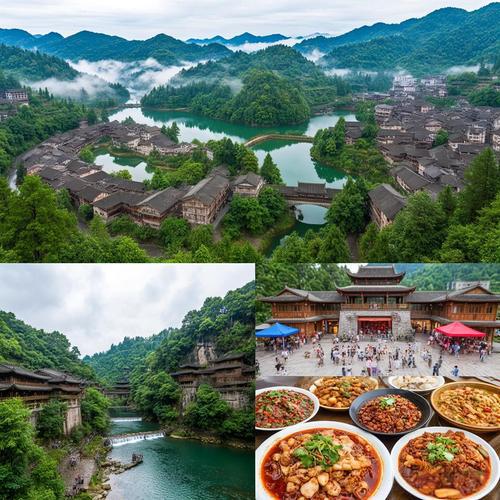
At first glance, Wangxian Valley looks less like a real destination and more like a movie set suspended between mountains and clouds. Tucked deep inside Jiangxi Province, this cliffside valley combines dramatic rock formations, hanging walkways, lantern-lit villages, waterfalls, and traditional Chinese architecture in a way that feels almost surreal.
For international travelers searching for places in China beyond Beijing, Shanghai, or Guilin, Wangxian Valley offers something rarer: the feeling of discovering a hidden world before mass tourism fully arrives. The landscape has the vertical intensity of Zhangjiajie, the old-town atmosphere of Fenghuang, and the quiet mystique of a Taoist painting — yet it remains far less crowded.
This guide covers everything you need to plan a trip to Wangxian Valley, including how to get there, the best time to visit, what to do, and practical tips for foreign travelers.
Why Visit Wangxian Valley?
Wangxian Valley (望仙谷, Wangxiangu) is famous for its cliffside architecture and mountainous scenery. The name literally means “Valley of Looking Toward Immortals”, and the place lives up to it visually.
What makes it special is the combination of:
- Suspended cliffside villagesWooden buildings cling dramatically to steep rock walls, connected by narrow bridges and stairways.
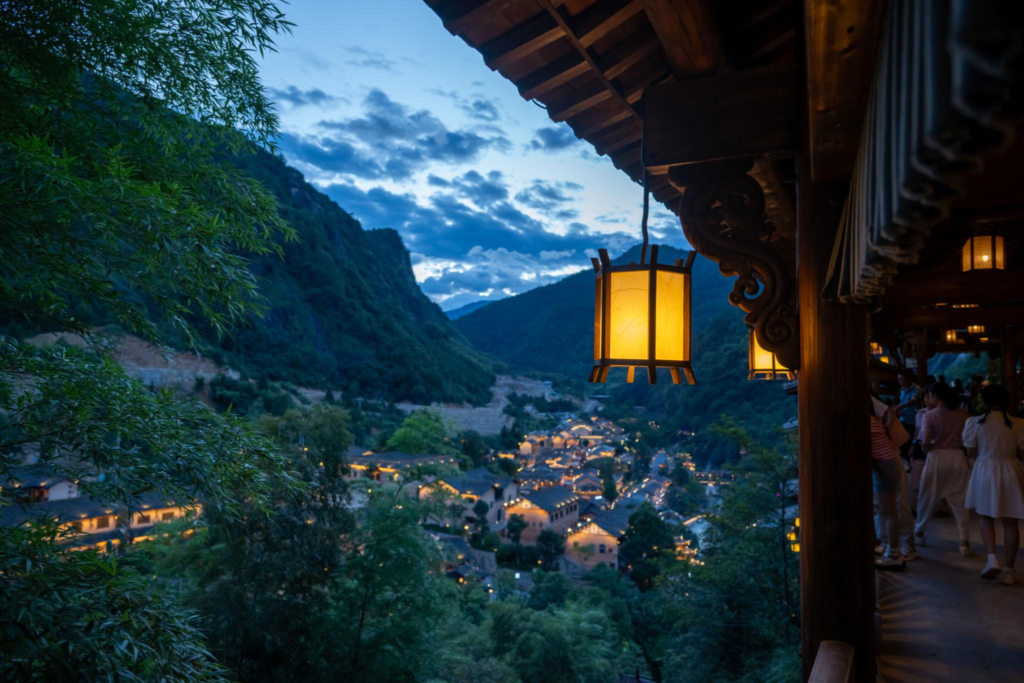
- A cinematic night atmosphereAfter sunset, thousands of warm lanterns illuminate the valley, turning it into one of the most photogenic destinations in China.
- Mountain-and-water sceneryWaterfalls, streams, bamboo groves, and jagged cliffs create a classic Chinese landscape painting in real life.
- Traditional cultureTea houses, local snacks, folk performances, and Jiangxi-style architecture give the area cultural depth beyond the scenery.
Unlike some heavily commercialized scenic areas in China, Wangxian Valley still feels relatively fresh and atmospheric, especially if you visit on a weekday.
Where Is Wangxian Valley?
Wangxian Valley is located in Shangrao, Jiangxi Province, in southeastern China.
Nearby transport hubs include:
| Location | Approximate Travel Time |
|---|---|
| Shangrao High-Speed Railway Station | 1–1.5 hours by car |
| Huangshan | About 2.5–3 hours |
| Nanchang (Jiangxi capital) | About 4 hours |
The valley is often combined with trips to Huangshan, Wuyuan, or Jingdezhen.
How to Get to Wangxian Valley
From Shanghai
- Take a high-speed train from Shanghai Hongqiao to Shangrao Station (about 2.5–3 hours).
- From Shangrao, take a taxi, private transfer, or tourist shuttle to Wangxian Valley (about 60–90 minutes).
From Beijing
- Fly to Shangrao Sanqingshan Airport or take a high-speed train to Shangrao.
- Continue by road to the valley.
From Huangshan
A private car or guided transfer is the easiest option. The route through the mountains is scenic and popular with photographers.
Best Time to Visit Wangxian Valley
| Season | What to Expect |
|---|---|
| Spring (Mar–May) | Green mountains, flowers, misty scenery |
| Summer (Jun–Aug) | Lush landscapes and waterfalls, but warmer and busier |
| Autumn (Sep–Nov) | Cool weather, golden foliage, excellent photography |
| Winter (Dec–Feb) | Quiet atmosphere, occasional snow, magical night views |
Best overall time: Autumn (September to November) offers the best balance of weather, colors, and visibility.
Top Things to Do in Wangxian Valley
1. Walk the Cliffside Paths

The valley’s most iconic feature is its network of wooden walkways attached to steep cliffs. Walking them gives you panoramic views of waterfalls, rooftops, and layered mountains disappearing into mist.
Some sections are narrow and dramatic, making this one of the most memorable walks in China for photographers and adventure-minded travelers.
2. Explore the Lantern-Lit Village at Night

Stay until after sunset — this is essential. As darkness falls, lanterns illuminate the stone alleys and wooden houses, creating a dreamlike atmosphere that feels straight out of a fantasy film.
The reflections in the water and the glowing bridges make night photography particularly rewarding.
3. Visit Waterfalls and Streams
Several small waterfalls and mountain streams run through the valley. The sound of water is constant, adding to the tranquil atmosphere. Summer and early autumn usually have the strongest flow.
4. Try Local Jiangxi Food

Jiangxi cuisine is known for bold flavors and chili peppers. In Wangxian Valley, try:
- Stir-fried river fish
- Rice cakes and bamboo-steamed snacks
- Local herbal teas
- Jiangxi-style spicy noodles
Many small restaurants overlook the valley, making dinner with a view part of the experience.
5. Watch Folk Performances

In the evenings, traditional music and dance performances are sometimes held in the central plaza area. Check the schedule at the entrance or your hotel.
A Suggested 2-Day Itinerary
Day 1
- Arrive in Shangrao and transfer to Wangxian Valley.
- Check into a valley guesthouse.
- Explore the village and cliff paths in the afternoon.
- Dinner overlooking the valley.
- Night photography and lantern walk.
Day 2
- Early morning walk for misty mountain views.
- Visit waterfalls and quieter upper paths.
- Lunch in the village.
- Return to Shangrao for onward travel.
If you enjoy slow travel and photography, staying two nights allows for both daytime and nighttime exploration without rushing.
Where to Stay
Accommodation inside the valley ranges from boutique inns to traditional-style guesthouses.
Best option: stay inside the scenic area
This allows you to enjoy the valley after day-trippers leave, when the atmosphere becomes much calmer and more magical.
Rooms with balconies facing the cliffs or water are especially popular.
Practical Tips for Foreign Travelers
- Tickets: Buy entrance tickets online in advance during holidays and weekends.
- Cashless payment: Alipay and WeChat Pay are widely used. Some hotels and larger shops accept international cards, but carrying some cash is helpful.
- Language: English is limited in smaller restaurants and shops. Having translation apps or offline Chinese phrases is useful.
- Walking difficulty: Expect many stairs and uneven stone paths. Wear comfortable shoes with good grip.
- Weather: Mountain weather changes quickly. Bring a light rain jacket even in summer.
Photography Tips
- Golden hour: Late afternoon light enhances the warm tones of the wooden buildings.
- Night shots: A tripod or phone stabilizer helps capture lantern scenes clearly.
- Mist: Early mornings after rain often produce the valley’s most ethereal views.
Why Wangxian Valley Is Worth the Detour
China has no shortage of famous scenic areas, but Wangxian Valley stands out because it feels both grand and intimate. The cliffs are dramatic, yet the village remains walkable and human-scaled. You can spend an hour photographing sweeping landscapes, then turn a corner into a quiet tea house beside a stream.
For travelers seeking a destination that still feels undiscovered, Wangxian Valley offers a rare balance: spectacular scenery, cultural atmosphere, and enough tranquility to make the experience feel personal rather than performative.
If your China itinerary already includes major cities, adding Wangxian Valley is less about checking another attraction off a list — and more about stepping into the kind of place people usually imagine only exists in paintings and legends.
发表回复