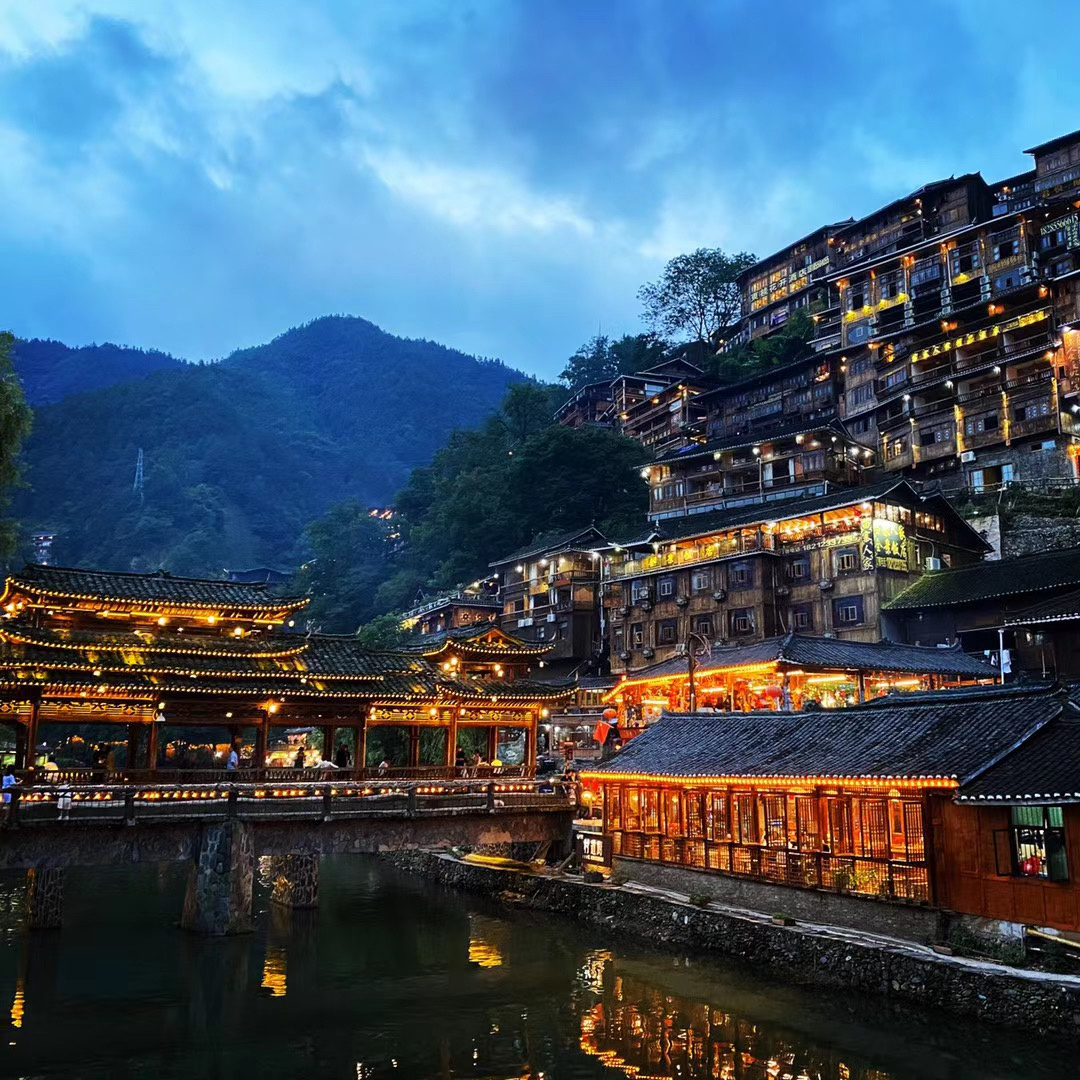
The Most Fascinating Museum in China Doesn’t Have Walls
Most travelers visit a museum to see history preserved behind glass.
In Guizhou, history is still alive.
It sings in mountain villages at dusk. It glows in silver jewelry hammered by hand using centuries-old techniques. It survives in indigo-dyed fabrics hanging outside wooden homes and in songs passed from grandparents to grandchildren without ever being written down.
For travelers seeking authentic cultural experiences rather than crowded landmarks, Guizhou offers something increasingly rare in the modern world: living heritage.
Located in southwestern China, Guizhou is home to dozens of ethnic communities whose traditions have survived for hundreds of years. Here, intangible cultural heritage is not a performance staged for tourists—it remains part of everyday life.
If you’ve ever wondered what cultural preservation looks like when it exists beyond museums and textbooks, Guizhou may be one of the most rewarding destinations in Asia.
Why Guizhou Is a Hidden Treasure for Cultural Travelers
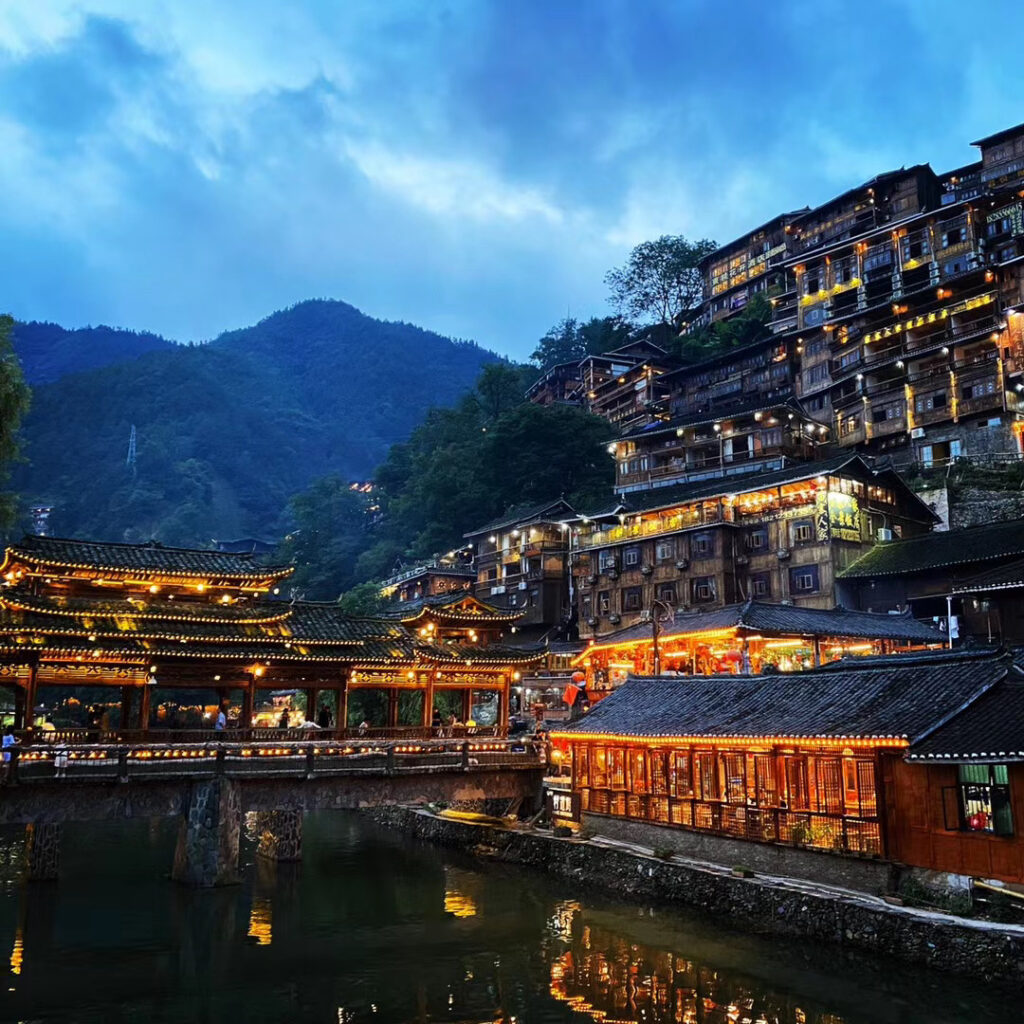
While cities across the world become increasingly similar, Guizhou remains refreshingly distinct.
The province is home to numerous ethnic groups, including:
- Miao
- Dong
- Buyi
- Shui
- Yi
- Gelao
Many communities continue to practice traditional crafts, music, festivals, architecture, and oral storytelling traditions that have been passed down through generations.
For travelers interested in culture, anthropology, photography, and meaningful human connections, Guizhou offers experiences difficult to find elsewhere.
What Is Intangible Cultural Heritage?
Intangible Cultural Heritage (ICH) refers to traditions that cannot simply be preserved in buildings or artifacts.
Instead, they exist through:
- Music
- Dance
- Oral traditions
- Handicrafts
- Festivals
- Traditional knowledge
- Ritual practices
Guizhou contains one of the richest concentrations of living cultural heritage in China.
Many traditions recognized at national and international levels continue to be practiced today.
The Art of Miao Silver Craftsmanship
One of Guizhou’s most remarkable cultural traditions is Miao silverwork.
At first glance, the intricate silver crowns, necklaces, bracelets, and ceremonial ornaments appear almost impossible to create by hand.
Yet local artisans continue to use techniques that have been passed down for generations.
In many villages, visitors can watch craftspeople:
- Melt silver
- Hammer intricate patterns
- Shape ceremonial ornaments
- Create traditional wedding jewelry
Each piece tells a story of family history, community identity, and cultural continuity.
For photographers and cultural travelers, these workshops offer unforgettable encounters.
Indigo Dyeing: A Tradition Painted in Blue
Long before synthetic dyes became common, communities across Guizhou used natural indigo plants to create textiles.
Today, traditional dyeing workshops can still be found in ethnic villages throughout the province.
Visitors often see:
- Handmade batik fabrics
- Traditional wax-resist patterns
- Indigo dye vats
- Artisans creating designs by hand
The resulting textiles are both beautiful and deeply symbolic, often representing local legends, nature, and family heritage.
Unlike mass-produced souvenirs, each piece carries a connection to the community that created it.
Dong Grand Songs: Music Without Instruments
One of Guizhou’s most extraordinary cultural traditions is the Dong Grand Song.
What makes it unique?
There are no musical instruments.
Instead, groups of singers perform complex multi-part harmonies that have been transmitted orally for centuries.
The sound is haunting, powerful, and unlike anything most international visitors have heard before.
Many performances take place in village drum towers, where acoustics naturally amplify the voices.
Experiencing a Dong choir in its home community is far more moving than listening to a recording.
Exploring Ancient Dong Villages
Some of Guizhou’s most memorable cultural experiences happen not in cities but in remote villages.
Dong villages are known for:
- Wooden architecture
- Covered wind-and-rain bridges
- Drum towers
- Community gathering spaces
Unlike historical reconstructions found in some tourist destinations, many villages remain functioning communities where traditions continue to evolve naturally.
Walking through these villages often feels less like sightseeing and more like stepping into a different rhythm of life.
Festivals That Celebrate Identity
Throughout the year, Guizhou hosts numerous traditional festivals.
These events feature:
- Traditional costumes
- Singing competitions
- Horse racing
- Dancing
- Community feasts
- Ritual ceremonies
For visitors, festivals provide a unique opportunity to witness cultural traditions in their most vibrant form.
Rather than performances for outsiders, these celebrations primarily exist for local communities themselves.
That authenticity is exactly what makes them so compelling.
The Culinary Heritage of Guizhou
Culture is not only seen and heard—it is tasted.
Guizhou’s culinary traditions are among China’s most distinctive.
Popular dishes include:
Sour Fish Soup
A signature regional dish combining fermented flavors with fresh ingredients.
Sticky Rice Specialties
Prepared differently across various ethnic communities.
Handmade Rice Noodles
Served with rich broths and local seasonings.
Traditional Village Banquets
Often prepared collectively during important festivals and celebrations.
Food in Guizhou reflects centuries of adaptation to mountain life and cultural exchange.
Best Places for an Intangible Cultural Heritage Tour
Xijiang Miao Village
One of the largest Miao settlements in China.
Zhaoxing Dong Village
Famous for Dong architecture and traditional music.
Kaili
An excellent gateway for exploring ethnic heritage.
Rongjiang
Known for traditional festivals and village culture.
Congjiang
Home to some of Guizhou’s best-preserved Dong communities.
Best Time to Visit Guizhou
Spring (March–May)
- Pleasant temperatures
- Flowering landscapes
- Cultural festivals
Summer (June–August)
- Lush mountain scenery
- Festival season
- Vibrant village activities
Autumn (September–November)
- Comfortable weather
- Harvest celebrations
- Excellent photography conditions
Winter (December–February)
- Fewer visitors
- Quiet cultural experiences
- Unique village atmosphere
For cultural tourism, spring and autumn generally offer the best balance.
Why Guizhou Matters More Than Ever
In an age when many traditions around the world are disappearing, Guizhou offers something profoundly hopeful.
It shows that heritage does not have to be frozen in time to survive.
Here, culture is not locked behind museum displays. It is woven into clothing, carried in songs, practiced in workshops, and celebrated in village squares.
Traveling through Guizhou is not simply about seeing beautiful places. It is about meeting people who continue to keep centuries-old knowledge alive through everyday life.
Long after you’ve forgotten the names of villages or mountain roads, you’ll remember the silver artisan carefully shaping a piece of jewelry by hand. You’ll remember the sound of voices rising together in a Dong choir. You’ll remember the feeling of discovering traditions that remain vibrant in a rapidly changing world.
For travelers searching for authentic cultural experiences in China, Guizhou is not just a destination—it is a living conversation between the past and the future.
And few journeys feel more meaningful than becoming part of that conversation, even for a little while.
发表回复