Introduction
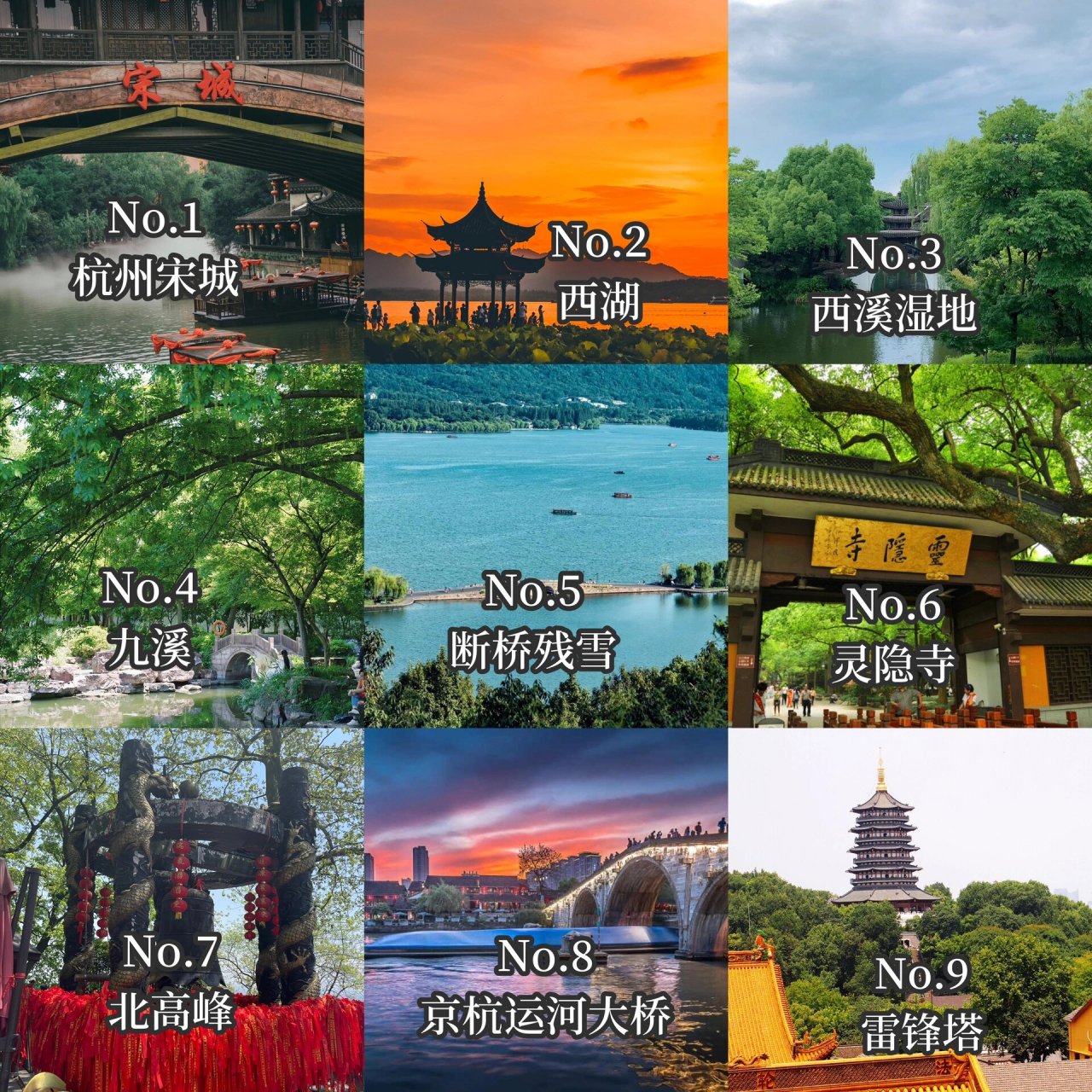
Hangzhou, the capital of Zhejiang Province, is one of China’s most picturesque cities, renowned for its stunning West Lake, ancient temples, and lush tea plantations. Marco Polo once called it “the most beautiful and magnificent city in the world.” Whether you’re looking for serene landscapes, rich history, or delicious cuisine, Hangzhou offers an unforgettable experience.
Top Attractions
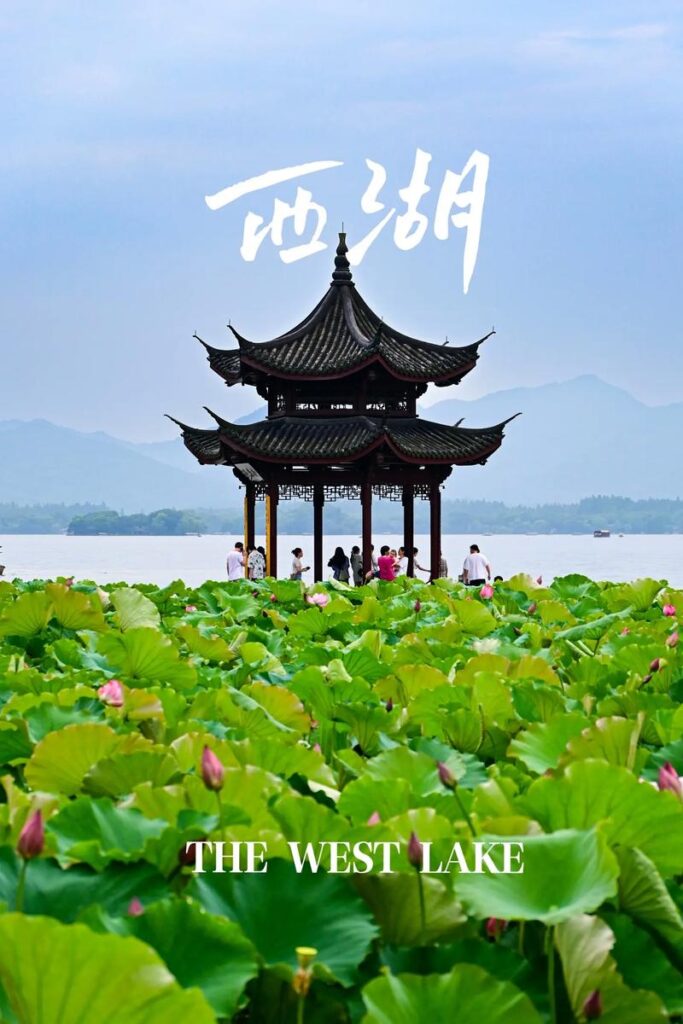
1. West Lake (西湖) – UNESCO World Heritage Site
- Why Visit? The heart of Hangzhou, famous for its poetic scenery, pagodas, and willow-lined shores.
- Highlights:
- Leifeng Pagoda (雷峰塔) – Offers panoramic views of the lake.
- Broken Bridge (断桥) – A romantic spot, especially in snow.
- Evening Music Fountain Show – A dazzling light and water performance.
- Best Activities: Boat rides, cycling around the lake, and sunset walks.
2. Lingyin Temple (灵隐寺) & Feilai Feng (飞来峰)
- Why Visit? One of China’s most important Buddhist temples, dating back to 328 AD.
- Highlights:
- Feilai Feng Grottoes – Hundreds of ancient Buddhist carvings.
- Tianzhu Peak Scenic Area – A peaceful retreat with lush forests.
3. Longjing Tea Plantations (龙井茶园)
- Why Visit? Hangzhou is the birthplace of Longjing (Dragon Well) tea, one of China’s finest green teas.
- Highlights:
- Tea-picking experiences (best in spring).
- Tea-tasting sessions in traditional tea houses.
4. Hefang Street (河坊街)
- Why Visit? A lively ancient street filled with souvenirs, snacks, and traditional crafts.
- Must-Try Snacks:
- Ding Sheng Gao (定胜糕) – Sweet rice cakes.
- Stuffed Tofu Skins (油面筋) – Savory street food.
5. Xixi Wetland Park (西溪湿地)
- Why Visit? A serene wetland with waterways, wooden bridges, and boat tours.
- Best Time to Visit: Spring for blooming flowers or autumn for golden reeds.
6. Qinghefang Ancient Street (清河坊古街)
- Why Visit? A well-preserved historical street with Ming and Qing Dynasty architecture.
- What to Do: Shop for silk, handicrafts, and try Hangzhou’s famous beggar’s chicken.
7. China National Tea Museum (中国茶叶博物馆)
- Why Visit? Learn about Chinese tea culture and enjoy a tranquil tea ceremony.
Food & Dining
Hangzhou cuisine is part of Zhejiang cuisine, known for its fresh, slightly sweet flavors. Must-try dishes:
- Dongpo Pork (东坡肉) – Slow-braised pork belly, named after poet Su Dongpo.
- West Lake Vinegar Fish (西湖醋鱼) – Sweet and sour freshwater fish.
- Shrimp with Longjing Tea (龙井虾仁) – A delicate tea-infused dish.
- Sister Song’s Fish Broth (宋嫂鱼羹) – A classic Hangzhou soup.
Best Places to Eat:
- Louwailou (楼外楼) – Famous restaurant by West Lake.
- Zhiweiguan (知味观) – Great for Hangzhou dim sum.
Transportation
- By Air: Hangzhou Xiaoshan International Airport (HGH) has international and domestic flights.
- By Train: Hangzhou East Station is a major high-speed rail hub (45 mins from Shanghai).
- Public Transport: Metro, buses, and taxis are convenient. Biking around West Lake is highly recommended.
Best Time to Visit
- Spring (March–May): Cherry blossoms, tea-picking season.
- Autumn (September–November): Cool weather, golden ginkgo trees.
- Avoid summer (June–August) due to heat and humidity.
Tips for Travelers
- Language: Basic Mandarin helps, but tourist areas have English signs.
- Currency: RMB (¥); credit cards accepted in most places.
- Etiquette: When visiting temples, dress modestly and avoid loud noises.
Conclusion
Hangzhou is a perfect blend of natural beauty, cultural heritage, and culinary delights. Whether you’re sipping tea in a lakeside pavilion, exploring ancient temples, or cycling around West Lake, Hangzhou will leave you enchanted.
Happy travels! �🏯🍵
发表回复