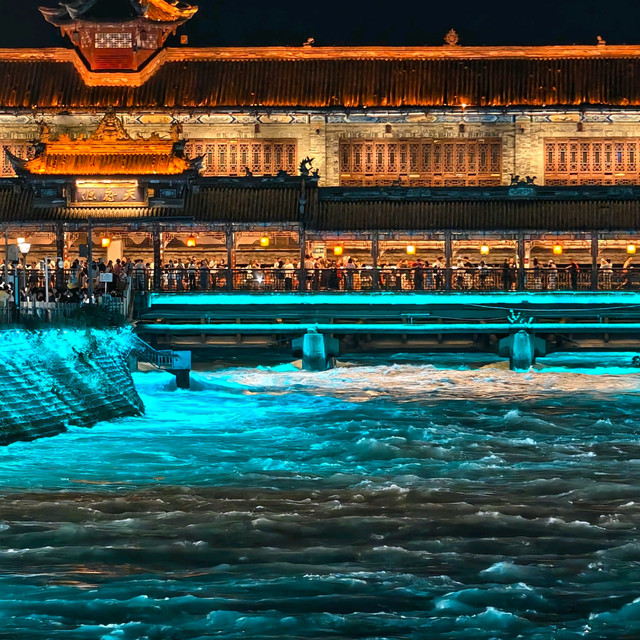
Sichuan is not a place you merely visit—it’s a place that enters your senses. The air smells of chili and incense, teahouses hum with conversation older than the streets, and mist rolls across temple roofs and stone villages as if history never left. For foreign travelers searching for an authentic, participatory China experience, Sichuan offers something rare: close encounters with giant pandas, sacred Buddhist mountains, dramatic national parks, and everyday local life that welcomes you in.
This Sichuan travel guide is crafted for international visitors who want more than landmarks. Here you’ll find interactive experiences, cultural depth, local-favorite neighborhoods, and iconic landscapes that make Sichuan one of the most rewarding regions to explore in China.
SEO Keywords: Sichuan travel guide, things to do in Sichuan, Sichuan attractions, giant panda China, Mount Emei, Leshan Giant Buddha, Jiuzhaigou Valley, Chengdu teahouse culture
Meet Giant Pandas Up Close in Chengdu


6
Chengdu Research Base of Giant Panda Breeding
Arrive early when pandas are most active. Watch them tumble through bamboo, nap in trees, and snack with surprising elegance. The leafy pathways and conservation exhibits make this more than a zoo—it’s a window into China’s most beloved species.
Interactive tip: Book a volunteer half-day program in advance to help prepare panda food and learn from keepers.
Sip Tea Like a Local in a Chengdu Teahouse


6
People’s Park Chengdu
Teahouses are the social heartbeat of Chengdu. Order jasmine tea, sit on a bamboo chair, and watch hours drift by as locals play mahjong and chat.
Interactive tip: Try the traditional ear-cleaning service offered by roaming specialists—an unexpectedly relaxing Sichuan ritual.
Climb the Sacred Paths of Mount Emei


7
Mount Emei
One of China’s Four Sacred Buddhist Mountains, Mount Emei offers forest trails, cliffside monasteries, and a golden summit floating above a sea of clouds.
Interactive tip: Start hiking before dawn to reach the Golden Summit at sunrise with pilgrims and monks.
Stand Before the World’s Largest Buddha


7
Leshan Giant Buddha
Carved into a cliff where three rivers meet, this 71-meter statue has watched over boatmen for 1,200 years. Viewing from a riverboat reveals its true scale.
Interactive tip: Combine the boat ride with the cliff stairway walk for two dramatic perspectives.
Wander the Fairyland Colors of Jiuzhaigou Valley


7
Jiuzhaigou Valley
Turquoise lakes, multi-tier waterfalls, and Tibetan villages make Jiuzhaigou feel otherworldly. Boardwalk trails allow slow, immersive exploration.
Interactive tip: Visit in autumn for the most intense colors and fewer crowds than peak summer.
Explore Tibetan Culture in Western Sichuan


6
Tagong Grassland
On the high plateau, prayer flags snap in the wind and monasteries echo with chants. This is Sichuan’s Tibetan frontier—vast, spiritual, and raw.
Interactive tip: Stay overnight in a Tibetan guesthouse and join morning prayers at a local monastery.
Taste Real Sichuan Food Beyond Mapo Tofu


4
Sichuan cuisine
From dan dan noodles to skewered street barbecue and the daring rabbit head snack, Sichuan cuisine is bold, aromatic, and unforgettable.
Interactive tip: Join a half-day cooking class in Chengdu to learn how to balance chili and Sichuan peppercorn.
Practical Tips for Foreign Travelers
- Best seasons: April–June, September–November
- Use high-speed rail between cities; fly to Jiuzhaigou region
- Learn “wei la” (mild spicy) if you’re heat-sensitive
- Carry cashless payment apps or small cash in rural areas
- Respect temple etiquette: quiet voices, no flash photography
Final Thoughts: Sichuan Is a Journey Through Living Culture
Sichuan rewards travelers who slow down and step in. Sip tea with retirees, climb sacred stairways with pilgrims, lock eyes with a panda, and taste flavors that tingle long after the meal ends. This is a province where nature, spirituality, food, and daily life intertwine so naturally that you stop feeling like a visitor and start feeling like a participant.
Come for the pandas and mountains. Stay for the people, the stories, and the sense that Sichuan is not just seen—it’s deeply, memorably felt.
发表回复