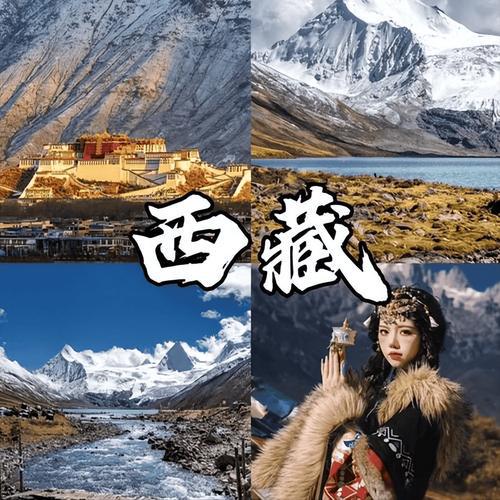
There are places in the world that people visit for scenery.
And then there are places people travel to because something inside them is searching for silence.
Tibet is one of those places.
High above the clouds, surrounded by snow mountains, prayer flags, and endless blue skies, the temples and monasteries of Tibet offer foreign travelers an experience that feels far beyond ordinary tourism. Here, spirituality is not hidden inside museums or historical ruins. It lives openly in daily life — in the sound of monks chanting before sunrise, in pilgrims turning prayer wheels for hours, in butter lamps glowing softly beneath ancient murals, and in the thin mountain air carrying the scent of incense across stone courtyards older than empires.
For many international travelers, visiting Tibet’s temples becomes less about sightseeing and more about emotional transformation.
Because in Tibet, even silence feels sacred.
Why Foreign Travelers Are Fascinated by Tibet’s Temples
For centuries, Tibet has captured the imagination of travelers, spiritual seekers, photographers, writers, and adventurers from around the world.
Unlike many famous religious destinations that feel heavily commercialized, Tibet still carries a raw spiritual atmosphere that foreign visitors often describe as deeply moving.
Travelers come to Tibet to experience:
- Tibetan Buddhist culture
- Ancient Himalayan monasteries
- Spiritual rituals and meditation traditions
- Mountain pilgrimage routes
- Traditional Tibetan architecture
- Monastic debates and chanting ceremonies
- High-altitude Himalayan landscapes
- A slower and more reflective style of travel
For many visitors, Tibet feels less like entering a destination and more like entering a different state of mind.
Jokhang Temple: The Spiritual Heart of Tibet
Located in the center of Lhasa, Jokhang Temple is considered the holiest temple in Tibetan Buddhism.
For over a thousand years, pilgrims from across the Tibetan Plateau have traveled enormous distances to reach this sacred site. Some journey for months, performing full-body prostrations along the way.
Foreign travelers are often deeply affected by the atmosphere surrounding the temple:
- Endless spinning prayer wheels
- Pilgrims chanting mantras
- Butter lamps illuminating golden statues
- The scent of juniper incense drifting through the air
- Ancient murals and hand-painted ceilings
Walking around Barkhor Street beside local pilgrims creates one of the most authentic cultural experiences in all of China.


7
Potala Palace: Tibet’s Most Iconic Landmark
Towering above Lhasa, Potala Palace is one of the most recognizable spiritual landmarks in the world.
Originally serving as the winter residence of the Dalai Lama, the palace rises dramatically from the mountain like a fortress suspended between earth and sky.
Inside, travelers discover:
- Golden stupas
- Ancient scriptures
- Meditation halls
- Tibetan murals
- Sacred relics
- Endless labyrinth-like corridors
For many foreigners, the experience feels almost surreal because of the combination of scale, altitude, spirituality, and history.
At sunset, the palace glows red and gold against the Himalayan sky, creating one of the most unforgettable views in Asia.


5
Sera Monastery: Witness the Famous Monk Debates
Sera Monastery offers one of the most fascinating cultural experiences for foreign travelers.
The monastery is internationally known for its traditional Buddhist debate sessions, where monks engage in energetic philosophical discussions using dramatic hand gestures and rhythmic movements.
To many visitors, the debates feel surprisingly dynamic and intellectual rather than purely ceremonial.
Travelers often enjoy:
- Listening to chanting ceremonies
- Watching monk debates
- Exploring quiet monastery courtyards
- Photographing Tibetan architecture
- Learning about Tibetan Buddhist philosophy
The combination of spirituality and scholarship makes Sera Monastery especially memorable.
Drepung Monastery: A City of Monks Beneath the Mountains
Once one of the world’s largest monasteries, Drepung Monastery was historically home to thousands of monks.
Built along the mountainside, the monastery resembles a white stone city cascading down the hills.
Foreign travelers are often struck by:
- Endless prayer halls
- Mountain views above Lhasa
- Ancient Tibetan scriptures
- Quiet meditation spaces
- The peaceful rhythm of monastic life
Compared to busier tourist attractions, Drepung often feels more contemplative and immersive.


6
Tashilhunpo Monastery: The Golden Monastery of Shigatse
In Shigatse, Tashilhunpo Monastery offers a completely different atmosphere from Lhasa’s temples.
Massive golden rooftops shine beneath the Himalayan sun while giant prayer walls stretch across the monastery complex.
International travelers visiting western Tibet often describe Tashilhunpo as one of the most visually impressive monasteries in the region.
Highlights include:
- Giant Buddha statues
- Ancient meditation chambers
- Panoramic mountain scenery
- Traditional Tibetan ceremonies
- Long corridors filled with prayer chants
The monastery feels both majestic and deeply spiritual at the same time.
The Spiritual Experience Foreign Travelers Rarely Expect
Many international visitors arrive in Tibet expecting beautiful scenery.
What surprises them most is the emotional atmosphere.
Simple moments become unforgettable:
- Hearing monks chant before dawn
- Watching elderly pilgrims quietly circle temples for hours
- Seeing prayer flags move in the mountain wind
- Drinking butter tea beside monastery courtyards
- Sitting silently beneath Himalayan skies
For many travelers, Tibet creates a feeling difficult to explain — part peace, part humility, part wonder.
Tibetan Temple Etiquette for Foreign Visitors
Respect is extremely important when visiting Tibetan monasteries.
Helpful tips include:
- Dress modestly inside temples
- Walk clockwise around sacred sites
- Avoid touching religious objects without permission
- Ask before photographing monks or ceremonies
- Speak quietly inside prayer halls
Foreign travelers who show genuine respect are often welcomed warmly.
Best Time to Visit Tibet’s Temples
Spring (April–May)
Cool weather and clear skies make this one of the best seasons for temple exploration.
Summer (June–August)
The warmest season with vibrant landscapes and major Tibetan festivals.
Autumn (September–October)
Excellent visibility, golden light, and comfortable temperatures create ideal photography conditions.
Winter (November–February)
Fewer tourists and dramatic snowy scenery create a more spiritual and peaceful atmosphere.
Tibet Is Not Simply a Place You Visit — It Is a Place You Feel
Many destinations impress travelers visually.
Tibet reaches somewhere deeper.
Long after foreign visitors leave, they often remember unexpected moments more than famous landmarks: the sound of prayer wheels spinning in the cold morning air, the silence inside candlelit halls, the sight of pilgrims crossing mountain passes with unwavering devotion.
In Tibet’s temples, spirituality is not presented as performance.
It exists naturally, woven into everyday life beneath some of the highest mountains on Earth.
For travelers searching for more than ordinary tourism — for meaning, reflection, cultural depth, and emotional connection — Tibet offers one of the most unforgettable journeys anywhere in the world.
And sometimes, after standing quietly inside a Himalayan monastery while monks chant beneath ancient golden roofs, travelers realize they did not come to Tibet only to see something extraordinary.
They came to feel something they had almost forgotten existed.
发表回复