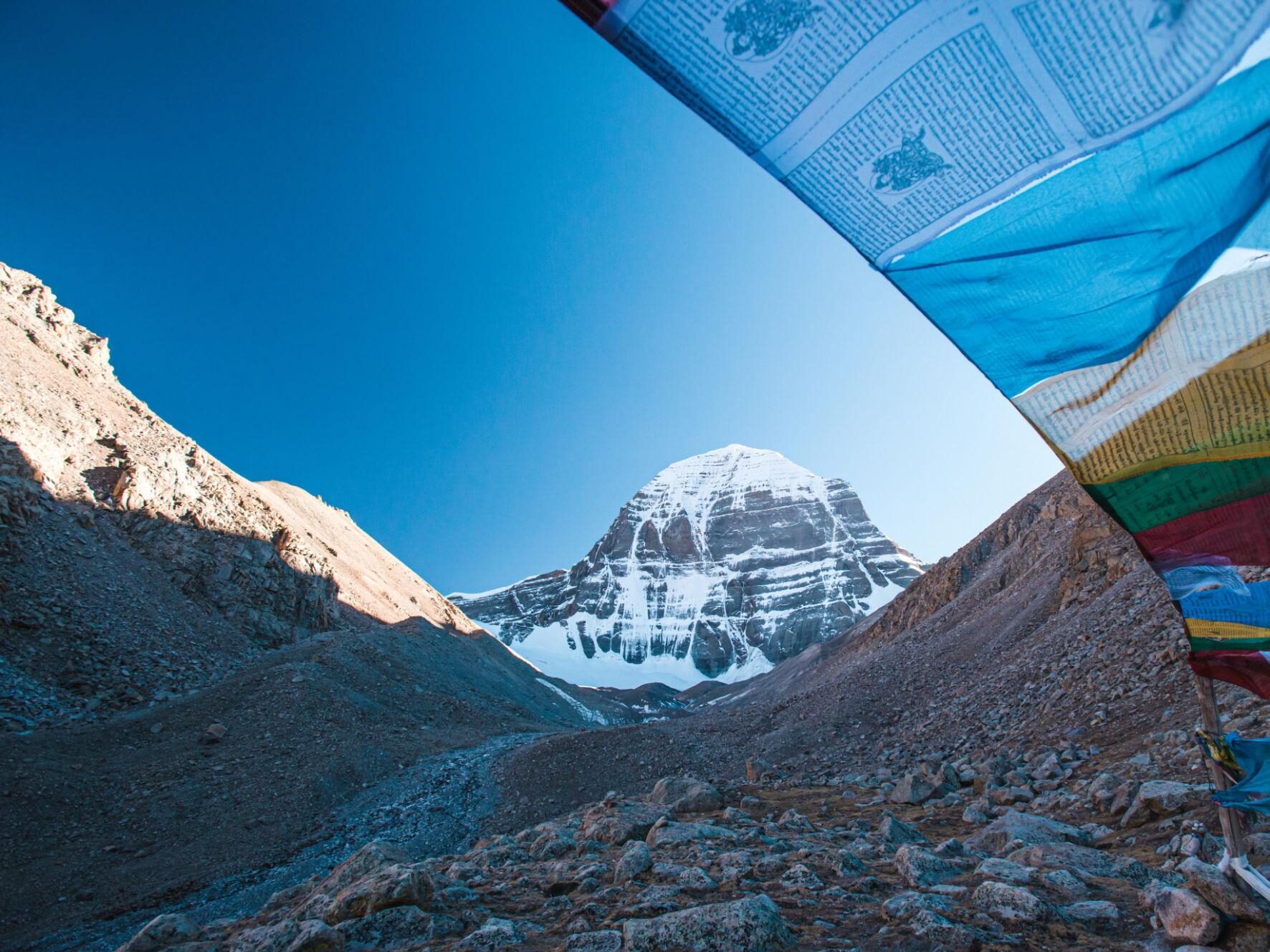
There are places you visit, and places that quietly rearrange how you see the world. Tibet belongs to the second kind. At 3,600 meters above sea level, daily life unfolds to the rhythm of prayer wheels, yak caravans, juniper smoke, and snow peaks that feel close enough to touch. This is not a checklist destination. It is a participatory journey into living Buddhism, mountain culture, and human resilience shaped by altitude and faith.
This guide is written for international travelers who want to walk the same pilgrimage paths as locals, learn the etiquette of monasteries, share tea in village homes, and understand the stories behind the landscapes.
Barkhor Circuit: Walk the Pilgrimage, Don’t Just Watch It


7
Barkhor Street around Jokhang Temple
At dawn, pilgrims begin the kora (clockwise ritual walk). Join respectfully. Spin prayer wheels, follow the flow, and feel how devotion organizes the street.
Participate like a local:
- Walk three full circles clockwise
- Buy yak-butter lamps from a small shop and offer one inside
- Sit for sweet tea afterward and watch the city wake up
Sera Monastery Debates: Philosophy in the Courtyard


6
Sera Monastery
In the afternoon, monks gather for animated philosophical debates. The claps, steps, and gestures are part of a rigorous learning tradition.
What to do: stand quietly at the edge, observe patterns, and ask your guide to translate a few exchanges. It transforms spectacle into understanding.
Drak Yerpa: Meditation Caves Above the Valley


9
Drak Yerpa
High on a cliffside, ancient caves once used for meditation overlook the valley. Few foreign travelers come here, yet locals visit for quiet reflection.
Interactive moment: climb slowly, pause for breath, and spend ten minutes in silence inside a cave. The altitude amplifies stillness.
Pharping Village Life at the Edge of the River


6
Pharping
A riverside village where barley fields meet whitewashed homes. This is where you see how faith and farming intertwine.
Join in: learn to churn yak butter tea, help turn barley in the sun, and ask elders about seasonal rituals.
Yamdrok Lake Picnic: A Sacred Shore, Not a Viewpoint


6
Yamdrok Lake
Most tours stop for photos from above. Instead, descend to the shoreline. The color of the water, the wind, and the silence feel ceremonial.
Do it differently: bring simple bread, fruit, and tea. Sit by the water without music or drones. Let the place set the pace.
Tashilhunpo: History Written in Murals and Butter Lamps


7
Tashilhunpo Monastery
In Shigatse, this monastery holds vast murals and a towering Maitreya statue. The atmosphere is devotional, not touristic.
Cultural cue: walk the outer kora with locals before entering the halls.
Join a Village Kora at Sunset
In many small settlements, residents perform a short evening kora around mani stones and chortens.
How to participate respectfully:
- Walk clockwise
- Avoid stepping over prayer inscriptions
- Offer a quiet “Tashi Delek” greeting
These small, shared rituals often become travelers’ most meaningful memories.
Taste Everyday Tibet: Tsampa, Yak Yogurt, Sweet Tea
Tsampa
Skip hotel buffets for a morning in a teahouse:
- Mix tsampa with tea into dough by hand
- Try tangy yak yogurt with sugar
- Sip sweet tea while locals discuss news and weather
Food here is practical, communal, and deeply tied to altitude life.
Practical Tips for Meaningful Interaction
- Acclimatize slowly; walk, don’t rush
- Ask before photographing people or rituals
- Learn a few Tibetan greetings
- Spend time sitting, not just moving
Tibet Is Experienced at Walking Speed
Tibet rewards patience. The most powerful moments arrive when you match your pace to the pilgrims, your voice to the wind, and your attention to small details: the rhythm of prayer wheels, the smell of juniper, the way mountains hold the horizon in place. You may arrive seeking dramatic landscapes, but you leave remembering shared tea, quiet caves, and the humility of high places.
发表回复