Keywords: Yunnan food tour, Yunnan intangible cultural heritage, Yunnan ethnic culture travel, Yunnan tea culture, traditional crafts Yunnan, China culinary travel
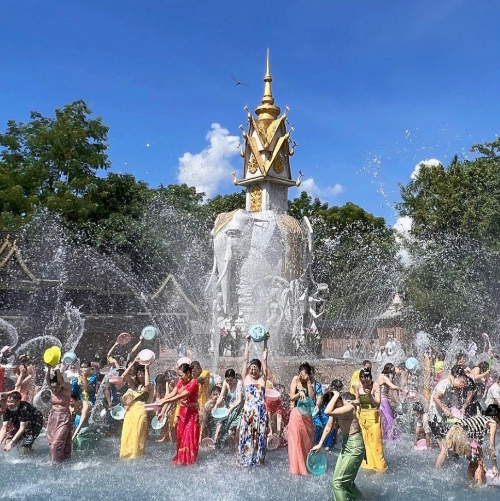
Yunnan does not feel like one province. It feels like dozens of worlds layered together — snow mountains beside tropical valleys, Tibetan prayer flags above ancient tea forests, smoky village kitchens hidden behind rice terraces, and old caravan towns where traders once carried tea toward Tibet and Southeast Asia. For travelers searching for the most culturally diverse region in China, Yunnan offers something extraordinary: a place where food, music, craft, ritual, and landscape remain deeply connected to everyday life.
This is not a polished performance created for tourists. In Yunnan, traditions still happen naturally — grandmothers dye cloth with plants gathered from the mountains, villagers roast tea leaves over open fires, and local markets overflow with ingredients many foreigners have never seen before. The journey through Yunnan is not only about sightseeing. It is about tasting, listening, learning, and participating in living cultures that continue to evolve without losing their roots.
🍜 Crossing-the-Bridge noodles — Yunnan’s Most Famous Culinary Tradition


6
Crossing-the-Bridge noodles are more than a regional dish — they are part of Yunnan’s cultural identity.
Foreign travelers are often fascinated by:
- The ritual of adding ingredients into boiling broth one by one
- The combination of fresh herbs, mushrooms, meat, and rice noodles
- The story behind the dish, linked to ancient scholars and family devotion
Each bowl feels interactive and deeply local.
🍃 Jingmai Mountain Ancient Tea Forest — Tea Culture Older Than Most Countries


4
Jingmai Mountain is home to some of the oldest cultivated tea forests in the world and was shaped by centuries of Tea Horse Road history.
Visitors can:
- Walk through ancient tea forests surrounded by mist
- Learn traditional tea roasting techniques from local families
- Taste aged Pu’er tea inside wooden village homes
- Understand how tea once connected China, Tibet, and Southeast Asia
The atmosphere feels timeless.
🧵 Zhoucheng Village — Handmade Tie-Dye and Bai Ethnic Craftsmanship


9
Near Dali, Zhoucheng Village preserves one of China’s most beautiful textile traditions.
Foreign travelers love:
- Watching artisans fold and dye fabrics entirely by hand
- Learning the symbolism behind traditional Bai patterns
- Participating in beginner tie-dye workshops
- Photographing blue-and-white fabrics drying in sunny courtyards
Unlike factory-made souvenirs, every piece carries individual craftsmanship.
🎶 Lijiang Old Town — Ancient Music and Caravan Culture


7
Lijiang was once a major stop on ancient trade routes and still preserves strong Naxi cultural traditions.
Visitors can experience:
- Naxi ancient music performances using centuries-old instruments
- Traditional Dongba pictographic culture
- Courtyard restaurants serving Yunnan specialties
- Nighttime lantern reflections along old canals
The blend of music, food, and architecture creates an atmosphere unlike anywhere else in China.
🍄 Wild Mushroom Culture — A Yunnan Obsession


4
Yunnan is famous for its extraordinary biodiversity, especially wild mushrooms.
During mushroom season, locals become almost obsessed with:
- Foraging rare mountain mushrooms
- Creating mushroom hotpot feasts
- Trading fresh fungi in crowded morning markets
For many foreigners, this becomes one of the most surprising food experiences in China.
🏮 Xizhou Ancient Town — Local Markets and Slow Village Life


4
Xizhou offers a slower and more authentic atmosphere than many larger tourist towns.
Travelers enjoy:
- Morning farmers’ markets filled with local spices and herbs
- Freshly baked baba flatbread cooked over charcoal
- Traditional Bai courtyard architecture
- Conversations with artisans and tea shop owners
It feels less commercial and more personal.
Why Yunnan’s Intangible Heritage Feels So Special
Yunnan is home to dozens of ethnic groups, and many traditions remain deeply connected to local landscapes:
- Tea culture tied to mountain forests
- Music shaped by caravan trade history
- Food influenced by altitude and biodiversity
- Textile crafts rooted in village identity
Culture here is not separated from daily survival — it grows directly from the environment itself.
Final Reflection: A Journey Measured in Aroma, Music, and Mountain Mist
Long after travelers leave Yunnan, what returns first are often the sensations rather than the landmarks: the smoky fragrance of roasted tea leaves drifting through mountain air, the sound of Naxi music echoing beside stone canals, the deep blue of hand-dyed fabric drying under sunlight, the earthy aroma of mushrooms sizzling in a village kitchen.
Yunnan does not demand attention loudly. Instead, it slowly pulls travelers inward through flavor, texture, ritual, and human connection. And somewhere along the old tea roads and market alleys, many visitors realize they are no longer simply observing another culture — they are briefly participating in a way of life that has survived for centuries between mountains, rivers, and clouds.

发表回复