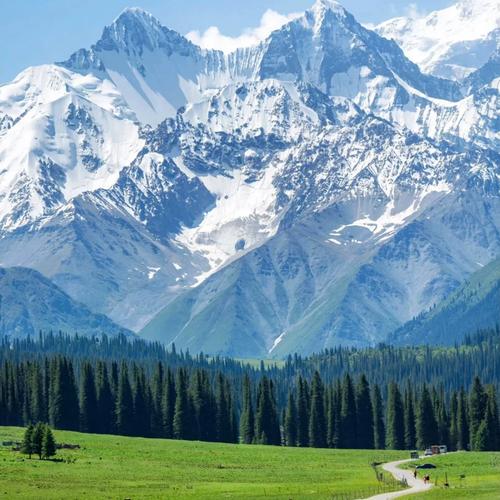
Imagine a place where snow-capped mountains tower above emerald grasslands, ancient caravan routes cross endless deserts, and cultures from East and West have blended for centuries. Far beyond the crowded tourist trails of Beijing and Shanghai lies Xinjiang—a vast frontier that feels less like a destination and more like an entire world waiting to be explored.
For adventurous travelers seeking authentic experiences, breathtaking scenery, and deep cultural encounters, Xinjiang may be China’s most extraordinary region. Stretching across one-sixth of the country’s territory, this remarkable land offers everything from alpine lakes and dramatic canyons to historic Silk Road cities and vibrant ethnic traditions. If you’re looking for a journey that combines nature, history, and unforgettable human connections, Xinjiang deserves a place at the top of your travel list.
Why Visit Xinjiang?
Xinjiang is one of the most diverse destinations in Asia. Located in northwestern China, it borders eight countries and has served as a crossroads of civilizations for over two thousand years.
Unlike many destinations that offer either stunning landscapes or rich cultural experiences, Xinjiang delivers both on a grand scale. Travelers can explore ancient Silk Road ruins in the morning and watch the sunset over untouched mountain valleys in the evening.
Key highlights include:
- Spectacular natural scenery
- Authentic Silk Road heritage
- Unique ethnic cultures
- Some of China’s best road-trip routes
- Stunning photography opportunities
- Less crowded destinations compared to eastern China
Explore the Stunning Landscapes of Northern Xinjiang
Kanas Lake: China’s Fairytale Wilderness
Hidden deep within the Altai Mountains, Kanas Lake is often considered one of the most beautiful places in China. Surrounded by forests, meadows, and snow-covered peaks, the lake changes color throughout the day, creating a dreamlike atmosphere.
Visitors can enjoy:
- Scenic hiking trails
- Traditional village visits
- Wildlife observation
- Panoramic viewpoints
- Autumn foliage photography
The nearby Tuva villages offer a glimpse into a unique culture that has preserved its traditions for generations.
Nalati Grassland: The Sky Meets the Earth
Nalati Grassland showcases the classic image of Central Asian beauty. Rolling green hills stretch endlessly beneath wide blue skies, while herds of horses graze freely across the landscape.
Summer visitors can experience:
- Horseback riding adventures
- Nomadic culture experiences
- Traditional Kazakh hospitality
- Wildflower-covered meadows
- Spectacular mountain scenery
For photographers, sunrise and sunset transform the grassland into a canvas of golden light.
Sayram Lake: The Last Tear of the Atlantic
Known as the “Last Tear of the Atlantic,” Sayram Lake is one of Xinjiang’s most picturesque alpine lakes.
Crystal-clear water reflects surrounding mountains, creating perfect mirror-like scenes. The area is particularly beautiful from late spring through early autumn when colorful wildflowers bloom across the grasslands.
Discover the Ancient Silk Road
Kashgar: The Living Heart of the Silk Road
Few places capture the spirit of the ancient Silk Road better than Kashgar.
For centuries, merchants, explorers, and travelers passed through this legendary oasis city. Today, visitors can wander through atmospheric streets, admire traditional architecture, and experience a culture unlike anywhere else in China.
Top experiences include:
- Exploring Kashgar Old Town
- Visiting traditional handicraft workshops
- Tasting local Uyghur cuisine
- Experiencing lively local markets
- Learning about Silk Road history
The city’s blend of cultures, languages, and traditions creates an unforgettable travel experience.
Ancient Ruins and Forgotten Kingdoms
Xinjiang is home to numerous archaeological treasures that once flourished along the Silk Road.
History enthusiasts can discover:
- Ancient city ruins
- Buddhist cave temples
- Desert archaeological sites
- Historic trade routes
- Cultural relics dating back thousands of years
These sites reveal how Xinjiang served as a bridge connecting China, Central Asia, the Middle East, and Europe.
Experience Xinjiang’s Unique Food Culture
Many travelers consider Xinjiang cuisine one of the highlights of their trip.
The region’s food reflects centuries of cultural exchange and features bold flavors, fresh ingredients, and traditional cooking techniques.
Must-try dishes include:
Lamb Skewers
Tender pieces of lamb seasoned with cumin and grilled over open flames.
Hand-Pulled Noodles
Freshly made noodles served with rich sauces and vegetables.
Polo (Pilaf)
A fragrant rice dish cooked with carrots, lamb, and spices.
Nang Bread
A traditional baked flatbread found throughout the region.
Fresh Fruits
Xinjiang’s dry climate produces exceptionally sweet fruits, including:
- Grapes
- Melons
- Apricots
- Pomegranates
- Figs
Many visitors are surprised to discover that some of the best fruit in Asia comes from Xinjiang.
The Best Road Trip Destination in China
If there is one place designed for road trips, it is Xinjiang.
The region’s vast distances, dramatic scenery, and well-connected highways create some of China’s most unforgettable driving routes.
Popular routes include:
Northern Xinjiang Scenic Circuit
Highlights:
- Kanas Lake
- Hemu Village
- Burqin
- Altai Mountains
Ili Grassland Route
Highlights:
- Nalati Grassland
- Sayram Lake
- Lavender fields
- Mountain valleys
Southern Silk Road Route
Highlights:
- Kashgar
- Desert landscapes
- Ancient ruins
- Traditional oasis towns
Each route offers unique perspectives on the region’s natural and cultural diversity.
Best Time to Visit Xinjiang
Spring (April–May)
- Wildflowers begin blooming
- Pleasant temperatures
- Fewer tourists
Summer (June–August)
- Peak travel season
- Lush grasslands
- Ideal for hiking and outdoor activities
Autumn (September–October)
- Stunning fall colors
- Harvest season
- Excellent photography conditions
Winter (November–March)
- Snow-covered landscapes
- Skiing opportunities
- Unique winter scenery
Many experienced travelers consider September the best overall month to visit.
Travel Tips for International Visitors
- Allow plenty of time due to the region’s vast size.
- Domestic flights can help connect distant destinations.
- Pack layers for changing weather conditions.
- Carry sunscreen and stay hydrated.
- Respect local customs and cultural traditions.
- Consider guided tours for remote areas.
Planning a longer itinerary will allow you to fully appreciate Xinjiang’s diversity.
Final Thoughts: China’s Last Great Adventure
In an age when many destinations feel increasingly familiar, Xinjiang still offers something rare—the feeling of genuine discovery.
Here, travelers can stand beside alpine lakes untouched by crowds, follow the footsteps of ancient Silk Road merchants, share meals with local families, and witness landscapes so vast they seem to stretch beyond the horizon itself.
Xinjiang is not simply another stop on a China itinerary. It is a destination that challenges expectations, rewards curiosity, and leaves visitors with stories few travelers can tell. For those seeking authentic adventure, cultural depth, and some of the most spectacular scenery in Asia, Xinjiang remains one of the world’s great undiscovered journeys.
The road is long, the landscapes are endless, and the memories will stay with you long after the journey ends.
发表回复