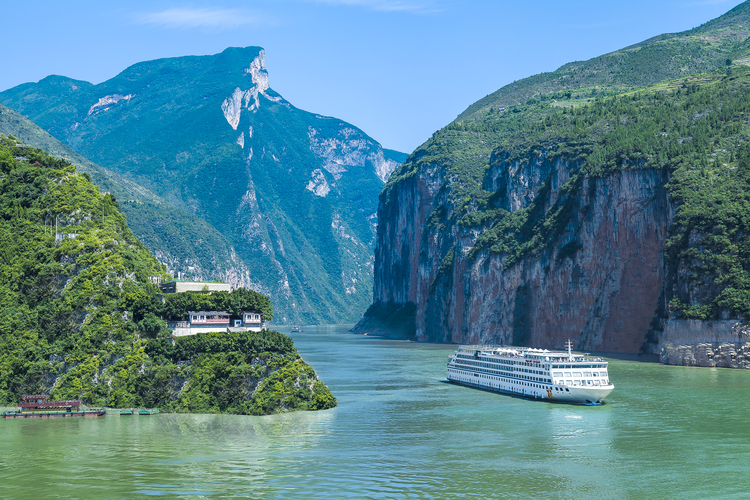
Most international travelers arrive in China dreaming of Beijing’s imperial palaces, Shanghai’s futuristic skyline, or Xi’an’s Terracotta Warriors. Yet hidden in the very center of the country lies a destination that many foreign visitors completely overlook—a region where Taoist masters still practice among cloud-covered mountains, where mighty rivers carve dramatic landscapes, and where centuries-old traditions continue to shape daily life.
Welcome to Hubei.
Far from being just a stopover between China’s major cities, Hubei offers something increasingly rare in modern travel: authenticity. Here, travelers can cruise through legendary river gorges, walk ancient pilgrimage trails, discover breathtaking natural wonders, and experience local culture without overwhelming tourist crowds. For visitors seeking a deeper understanding of China beyond the usual highlights, Hubei may be one of the country’s most rewarding destinations.
Where Is Hubei?
Located in central China, Hubei serves as a geographical crossroads connecting northern and southern China. The province is centered around the mighty Yangtze River, Asia’s longest river, and is home to vast lakes, dramatic mountains, ancient temples, and vibrant cities.
Its capital city, Wuhan, has emerged as one of China’s most dynamic cultural and transportation hubs, making it an excellent starting point for exploring the region.
1. Witness the Majesty of the Yangtze River


6
No visit to Hubei is complete without experiencing the legendary Yangtze River.
For centuries, poets, explorers, and merchants traveled these waters, inspired by the dramatic cliffs and mist-covered mountains that rise above the riverbanks. Today, visitors can embark on multi-day cruises through the famous Three Gorges, one of China’s most iconic natural landscapes.
Highlights include:
- Towering limestone cliffs
- Hidden riverside villages
- Scenic observation decks
- Traditional river culture
- Spectacular sunrise and sunset views
The journey offers a unique perspective on China’s natural beauty while showcasing the engineering marvel of the world’s largest hydroelectric project.
2. Explore the Mystical Wudang Mountains


4
One of China’s most sacred mountain ranges, the Wudang Mountains is often considered the spiritual birthplace of Tai Chi.
Unlike some of China’s busier mountain destinations, Wudang retains a peaceful atmosphere. Travelers can hike through pine forests, visit centuries-old Taoist temples, and watch martial arts practitioners perform graceful Tai Chi routines against stunning mountain backdrops.
Foreign visitors are often fascinated by:
- Taoist philosophy and spirituality
- Traditional Chinese martial arts
- Ancient temple architecture
- Mountain hiking routes
- Cloud-sea panoramas
The combination of culture, history, and natural scenery makes Wudang one of China’s most unique destinations.
3. Discover Enshi Grand Canyon: China’s Natural Secret
Many travelers compare the spectacular Enshi Grand Canyon to famous landscapes found in North America.
Stretching across dramatic karst terrain, the canyon features:
- Sky-high cliffs
- Natural stone pillars
- Suspended walkways
- Deep valleys
- Mist-filled forests
The area’s relative obscurity among international tourists means visitors can enjoy world-class scenery without the crowds often found at China’s more famous attractions.
For photographers, Enshi is a dream destination, especially during spring and autumn when changing weather creates dramatic lighting conditions.
4. Experience Wuhan: China’s City of Lakes


8
Often called the “City of Lakes,” Wuhan offers a fascinating blend of ancient history and modern urban life.
Top attractions include:
Yellow Crane Tower
The legendary Yellow Crane Tower has inspired Chinese poets for over a thousand years. The tower provides panoramic views of the Yangtze River and the surrounding cityscape.
East Lake
Larger than many famous urban lakes around the world, East Lake offers cycling routes, walking trails, gardens, and scenic waterfront views.
Historic Streets
Visitors can explore neighborhoods where traditional architecture meets modern cafés, providing an ideal introduction to contemporary Chinese urban culture.
5. Taste the Flavors of Hubei Cuisine
Food lovers often discover that Hubei is one of China’s most underrated culinary regions.
Popular local specialties include:
- Hot dry noodles
- Fresh river fish dishes
- Lotus root soup
- Steamed buns
- Traditional breakfast snacks
Unlike the spicy cuisines of neighboring provinces, Hubei cuisine often emphasizes freshness, balance, and the natural flavors of ingredients sourced from rivers and lakes.
Food markets in Wuhan provide excellent opportunities for cultural immersion and local interaction.
6. Visit Ancient Jingzhou
History enthusiasts should not miss Jingzhou, one of China’s best-preserved ancient cities.
Known for its role in the famous Three Kingdoms period, Jingzhou features:
- Ancient city walls
- Traditional gates
- Historical museums
- Archaeological sites
- Cultural performances
Walking through the city offers visitors a chance to experience living history while learning about one of the most influential eras in Chinese civilization.
Best Time to Visit Hubei
Spring (March–May)
- Blooming flowers
- Pleasant temperatures
- Excellent hiking conditions
Summer (June–August)
- Lush landscapes
- River cruises at their most vibrant
- Active cultural festivals
Autumn (September–November)
- Comfortable weather
- Colorful mountain scenery
- Ideal photography opportunities
Winter (December–February)
- Fewer tourists
- Atmospheric mountain views
- Occasional snow in higher elevations
For most international travelers, spring and autumn provide the most comfortable conditions.
How Many Days Do You Need in Hubei?
A well-balanced itinerary typically includes:
- 2–3 days in Wuhan
- 2 days in Wudang Mountains
- 2–3 days in Enshi
- 1–2 days exploring Yangtze River attractions
- 1 day in Jingzhou
Total recommended trip length: 7–10 days
This allows travelers to experience Hubei’s culture, history, nature, and cuisine without feeling rushed.
Final Thoughts: Why Hubei Deserves a Place on Your China Bucket List
China’s greatest travel experiences are often found beyond the destinations everyone already knows. Hubei is one of those rare places where ancient spirituality, dramatic landscapes, rich history, and genuine local culture still come together in a way that feels surprisingly untouched.
Whether you’re watching sunrise illuminate Taoist temples in the Wudang Mountains, sailing through the legendary Yangtze River gorges, exploring hidden canyon trails, or sharing a bowl of local noodles with residents in Wuhan, Hubei offers the kind of travel memories that linger long after the journey ends.
For travelers seeking a more authentic, immersive, and unexpected side of China, Hubei is not simply another province to visit—it may become the destination that changes how you see the entire country.
发表回复