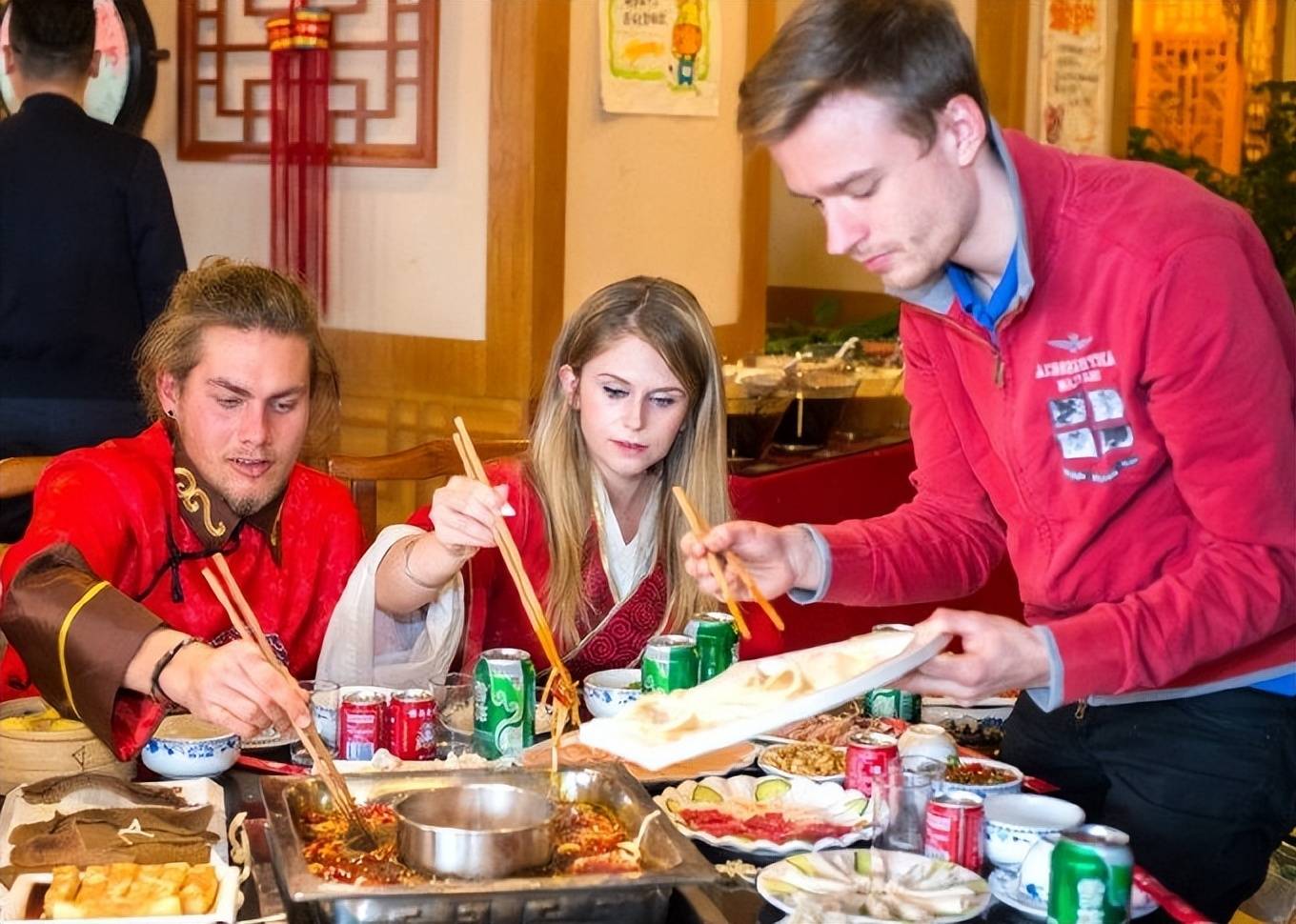
The first thing many travelers notice in Guangdong is not a landmark — it is a sound. The clatter of porcelain tea cups inside dim sum restaurants at sunrise. The crackling of roast goose hanging behind glowing glass windows. The bubbling of seafood tanks inside crowded night markets where chefs negotiate directly with diners.
In southern China, food is not rushed. It is observed, debated, perfected, and deeply respected. A Guangdong food tour is less about chasing extreme spice or viral street snacks, and more about discovering one of the world’s most refined culinary civilizations — a place where freshness matters almost obsessively, where ingredients are elevated instead of hidden, and where centuries of trade transformed local cuisine into one of the most globally influential food cultures on Earth.
For foreign travelers searching for authentic Chinese food experiences beyond stereotypes, Guangdong offers a completely different side of China: elegant yet chaotic, ancient yet futuristic, luxurious yet deeply local.
Why Guangdong Cuisine Became the Face of Chinese Food Worldwide


6
Known internationally as Cantonese cuisine, Guangdong food has influenced Chinese restaurants across nearly every continent. Yet most overseas versions barely capture the complexity and freshness of the real thing.
The culinary philosophy of Guangdong is radically different from many other Chinese regions. Instead of overpowering ingredients with spice or heavy sauces, Cantonese cooking focuses on balance, texture, freshness, and natural flavor.
In Guangdong, chefs believe excellent ingredients should speak for themselves.
This philosophy created some of China’s most famous dishes, including:
- Dim sum
- Roast goose
- Char siu barbecue pork
- Cantonese seafood
- Double-boiled soups
- Clay pot rice
- Wonton noodles
- Steamed fish with ginger and scallions
For international travelers, Guangdong often becomes the gateway to understanding how sophisticated Chinese cuisine truly is.
Guangzhou: China’s Ultimate Food Capital


6
At the center of Guangdong’s culinary universe is Guangzhou — a city many Chinese people quietly consider the greatest food destination in the country.
Unlike trend-focused mega cities obsessed with social media aesthetics, Guangzhou is serious about flavor. Locals will travel across the city simply for one perfect bowl of noodles or a specific roast meat shop that has existed for decades.
Foreign visitors often describe Guangzhou as overwhelming in the best possible way. Everywhere feels edible.
Tiny alley restaurants operate beside luxury hotels. Traditional herbal tea shops sit under futuristic skyscrapers. Morning dim sum halls overflow with families speaking Cantonese while servers push steaming carts through enormous dining rooms.
In Guangzhou, eating is not tourism. It is daily ritual.
Dim Sum: The Most Social Meal in China


7
No Guangdong food journey is complete without authentic dim sum culture.
Known locally as yum cha — literally “drink tea” — dim sum is one of China’s most social dining traditions. Families and friends gather for long breakfasts or lunches filled with tea, conversation, and endless small dishes served in bamboo steamers.
Classic dim sum dishes include:
- Shrimp dumplings (har gow)
- Pork siu mai
- Barbecue pork buns
- Rice noodle rolls
- Chicken feet
- Egg tarts
- Sticky rice wrapped in lotus leaf
For many foreign travelers, dim sum becomes far more than food. It becomes a window into Cantonese family culture, where multiple generations share meals lasting several hours.
The atmosphere inside traditional tea houses — loud conversations, steaming baskets, clinking porcelain, newspaper reading, and nonstop movement — creates one of the most authentic social experiences in China.
Seafood Culture: Guangdong’s Obsession With Freshness


7
Because Guangdong borders the South China Sea, seafood plays a central role in local cuisine.
In many restaurants, customers select live seafood directly from tanks before chefs prepare it using minimal seasoning to preserve natural flavor.
Popular seafood dishes include:
- Steamed grouper with ginger
- Garlic scallops
- Salt-and-pepper shrimp
- Cantonese lobster
- Oyster omelets
- Clay pot seafood porridge
Foreign travelers are often amazed by how lightly seasoned many dishes are compared to Western Chinese restaurants.
In Guangdong, freshness itself is considered the luxury.
Hidden Old Streets and Local Food Markets


7
Beyond modern malls and skyscrapers, Guangdong still preserves old Lingnan-style neighborhoods filled with local food traditions.
Walking through traditional districts reveals:
- Handmade noodle shops
- Herbal dessert cafés
- Roast meat stalls
- Sugar water dessert stores
- Traditional bakeries
- Wet markets overflowing with tropical ingredients
These neighborhoods offer travelers a more intimate side of southern China that many international tourists never experience.
For photographers and food content creators, Guangdong’s visual contrasts are incredible: neon lights reflecting off rain-soaked streets, old Cantonese shop signs beneath luxury towers, bamboo steamers stacked beside motorcycles and fruit carts.
Cantonese Desserts: A Completely Different Sweet Culture
One of Guangdong’s most underrated culinary discoveries for foreign travelers is Cantonese dessert culture.
Unlike heavy Western desserts, many Guangdong sweets are light, herbal, silky, and designed to balance the body according to traditional Chinese food philosophy.
Popular Cantonese desserts include:
- Mango pomelo sago
- Double-skin milk pudding
- Black sesame soup
- Herbal jelly
- Red bean soup
- Coconut milk desserts
Dessert shops remain busy late into the night, especially during humid summer evenings.
Shenzhen and Modern Guangdong Food Culture


9
While Guangzhou protects deep culinary traditions, Shenzhen represents Guangdong’s futuristic side.
Here, young chefs combine Cantonese foundations with global influences from Japan, Southeast Asia, Europe, and modern fine dining culture.
Travelers can experience:
- Luxury rooftop restaurants
- Creative fusion cuisine
- Michelin-starred Cantonese dining
- Designer cafés
- International cocktail bars
This blend of old and new makes Guangdong especially attractive for younger foreign travelers looking for both authenticity and contemporary urban energy.
Best Time to Visit Guangdong for a Food Tour
- Autumn (October–December): Cooler temperatures and ideal dining weather.
- Spring (March–May): Fresh seafood season and comfortable humidity.
- Summer: Vibrant night markets and tropical fruit season, though weather can be very humid.
- Winter: Mild climate compared to northern China.
Because Guangdong has a subtropical climate, food culture remains active year-round.
Combining Guangdong Food With Culture and History


7
A Guangdong food journey also connects naturally with southern China’s unique Lingnan culture.
Travelers can combine culinary exploration with visits to:
- Canton Tower
- Chen Clan Ancestral Hall
- Historic Lingnan architecture districts
- Pearl River night cruises
- Traditional Cantonese opera performances
Unlike some destinations where food and sightseeing feel disconnected, Guangdong blends them seamlessly into daily life.
Final Thoughts: Why Guangdong May Be China’s Most Sophisticated Culinary Destination
Some places impress travelers with intensity. Guangdong wins people over quietly, through detail.
A perfect shrimp dumpling folded by hand. Tea poured with practiced elegance. A seafood dish seasoned so lightly that the ocean itself seems present at the table. A hidden alley restaurant operating exactly the same way for forty years.
Guangdong cuisine is not designed to shock. It is designed to endure.
For travelers willing to move beyond clichés about Chinese food, Guangdong reveals something extraordinary: a culinary culture built not on excess, but on precision, balance, memory, and respect for ingredients.
And somewhere between a sunrise dim sum breakfast and a midnight seafood feast beside neon-lit streets, many visitors suddenly realize they are no longer simply touring China — they are beginning to understand it.
发表回复