Keywords: Sichuan food tour, Sichuan intangible cultural heritage, Chengdu food travel, Sichuan opera experience, Chinese heritage culture tour, Sichuan cuisine guide
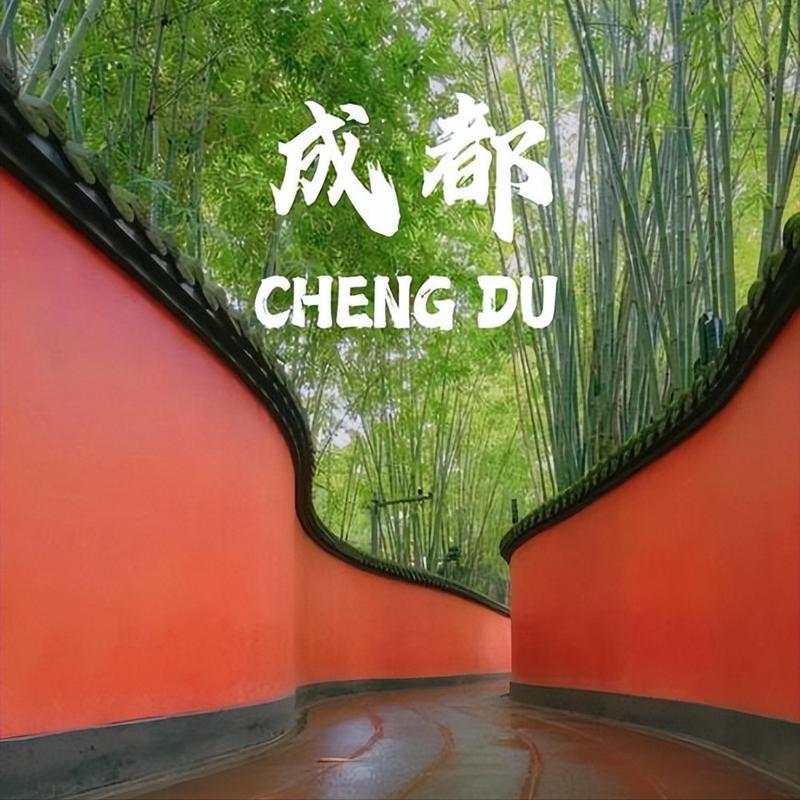
Sichuan is not simply a place you visit with your eyes — it is a place you experience with all your senses at once. The air smells of chili oil and roasted peppercorns, teahouses echo with mahjong tiles and opera drums, and centuries-old crafts still survive inside hidden workshops down narrow alleyways. For travelers searching for the “real China,” Sichuan offers something increasingly rare in modern travel: traditions that are still alive, still used, and still woven into everyday life.
This is not a standard food trip. It is a journey through spicy kitchens, bamboo steamers, hand-painted masks, ancient embroidery, shadow puppetry, tea rituals, and old streets where culture is not preserved behind glass — it is still performed daily.
🍲 Sichuan hot pot — The Social Heart of Sichuan Cuisine


6
In Sichuan, hotpot is not just dinner — it is a social ritual.
Foreign travelers often discover that the experience matters as much as the flavor:
- Choosing ingredients together
- Learning how locals mix dipping sauces
- Testing your spice tolerance with Sichuan peppercorn heat
- Spending hours talking while steam fills the room
For the most authentic experience, visit neighborhood restaurants packed with locals rather than luxury chains.
🎭 Shufeng Yayun Sichuan Opera House — Face-Changing, Fire-Spitting, and Folk Storytelling


6
Sichuan Opera is one of China’s most visually fascinating intangible cultural traditions.
Visitors are captivated by:
- Bian Lian (face-changing) performed in seconds
- Fire-spitting acts under dim lantern light
- Traditional instruments and folk storytelling
- Tea-service theater culture unique to Chengdu
This is theater that feels magical even if you don’t understand the language.
🫖 People’s Park (Chengdu) — Tea Culture as Daily Life


6
Tea culture in Sichuan is not formal or ceremonial — it is deeply woven into ordinary life.
Experiences foreigners love:
- Sitting in open-air teahouses for entire afternoons
- Watching long-spout tea pouring performances
- Playing mahjong with locals
- Trying traditional ear-cleaning services in tea gardens
Few places in China embrace “slow living” as naturally as Chengdu.
🧵 Shu Embroidery Museum — Silk Threads and Ancient Patience


4
Shu embroidery is one of China’s oldest embroidery traditions, dating back over 2,000 years.
Visitors can:
- Watch artisans create silk landscapes thread by thread
- Learn how double-sided embroidery works
- Try beginner embroidery workshops
The level of detail often surprises travelers used to machine-made crafts.
🏮 Langzhong Ancient City — Lanterns, Vinegar Workshops, and Folk Traditions


8
Unlike overly commercialized tourist towns, Langzhong still feels lived-in.
Here travelers can explore:
- Traditional vinegar-making workshops
- Shadow puppetry performances
- Handmade lantern shops
- Quiet alleys filled with local snack stalls
It offers a slower, more intimate side of Sichuan heritage.
🌶️ Foods Foreign Travelers Should Try Beyond Hotpot
- Dan Dan noodles
- Mapo tofu
- Sweet water noodles
- Sichuan-style barbecue skewers
- Rabbit dishes popular with locals
- Handmade glutinous rice desserts
Sichuan cuisine is about balance — spicy, numbing, smoky, sweet, and aromatic at the same time.
Why Sichuan’s Heritage Feels Different
In many destinations, culture is packaged for tourists. In Sichuan, traditions remain part of normal life:
- Locals still gather daily in teahouses
- Opera is still performed regularly
- Crafts are still handmade by families
- Street food recipes still pass through generations
Travelers do not just observe culture here — they temporarily step inside it.
Final Reflection: A Journey You Taste Long After It Ends
Long after leaving Sichuan, travelers often remember the sounds before the sights: opera drums echoing through old theaters, tea cups clinking in bamboo courtyards, sizzling chili oil hitting a hot wok. Then come the flavors — numbing peppercorns, smoky skewers, hand-pulled noodles — followed by flashes of red lanterns and embroidered silk catching warm afternoon light.
Sichuan is a destination that lingers physically in your memory. Not because it asks to be photographed, but because it demands to be experienced fully — with your hands, your ears, your appetite, and your curiosity all at once.
发表回复