Keywords: Tibet food tour, Tibetan cuisine travel, Lhasa food guide, Tibetan butter tea, Tibetan culture experience, Tibet culinary journey
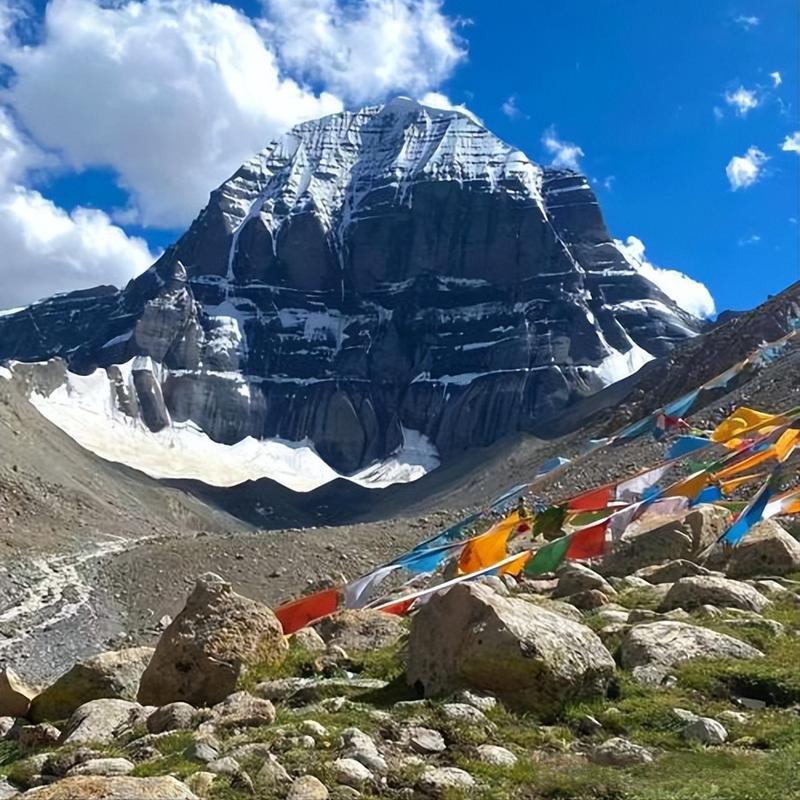
In Tibet, food is more than nourishment — it is survival shaped by altitude, faith, weather, and centuries of life on the roof of the world. Every bowl of noodle soup, every cup of butter tea, and every smoky yak meat dish carries the imprint of mountain winds, nomadic traditions, and Buddhist culture. For travelers, a Tibetan food journey is not simply about tasting unusual dishes. It is about understanding how people created warmth, community, and hospitality in one of the harshest and most breathtaking environments on Earth.
Unlike China’s fiery Sichuan cuisine or delicate Cantonese flavors, Tibetan food feels deeply connected to the land itself: earthy, rich, comforting, and honest. Meals are shared slowly beside prayer flags, monastery walls, and wood-burning stoves while stories drift through the thin plateau air.
This is the side of Tibet most visitors never expect — and often remember most vividly.
🧈 Butter tea — Tibet’s Most Iconic Drink


7
Butter tea surprises almost every foreign traveler the first time they try it.
Made from:
- Tea leaves
- Yak butter
- Salt
- Hot water
The flavor is savory, creamy, and warming — designed to help people survive cold temperatures and high altitudes.
What foreigners often love most is not only the drink itself, but the ritual around it:
- Endless refills as a sign of hospitality
- Sharing tea inside family homes or monastery teahouses
- Sitting around low wooden tables while conversations unfold slowly
In Tibet, refusing another cup can even feel impolite.
🍜 Thukpa — Comfort Food of the Plateau


6
Thukpa is the ultimate Tibetan comfort food.
Served steaming hot, this noodle soup often includes:
- Handmade noodles
- Yak meat or vegetables
- Mountain herbs
- Rich broth designed for cold climates
Travelers especially enjoy discovering tiny local noodle shops hidden inside Lhasa’s old alleys.
🥟 Momo — Himalayan Dumplings Shared Across the Mountains


7
Momo dumplings are beloved throughout Tibet and the Himalayan region.
Foreign travelers often become obsessed with:
- Juicy yak meat fillings
- Handmade dough folded by hand
- Fried and steamed variations
- Chili dipping sauces unique to Tibet
Making momo together is also a social family activity during festivals and gatherings.
🏮 Barkhor Street — Tibet’s Most Atmospheric Food Walk


8
Around Barkhor Street, food and spirituality blend naturally into daily life.
Visitors can:
- Taste yak skewers grilled over charcoal
- Try sweet Tibetan yogurt sold in small shops
- Explore traditional tea houses filled with pilgrims and locals
- Watch prayer-wheel pilgrims while eating street snacks
The atmosphere becomes especially magical after sunset.
🍖 Yak Meat — The Foundation of Tibetan Cuisine


4
Yak meat is central to Tibetan life and appears in countless forms:
- Yak hotpot
- Air-dried yak jerky
- Yak stew
- Yak meat noodles
- Grilled yak skewers
Compared with beef, yak meat is leaner, richer, and deeply tied to nomadic culture.
For many foreign travelers, tasting yak becomes one of the most memorable culinary moments in Tibet.
🍺 Chang — Celebration in a Cup


7
Chang, a lightly alcoholic barley wine, is often served during festivals, weddings, and celebrations.
Travelers sometimes encounter:
- Singing and dancing during communal meals
- Toasting rituals in village gatherings
- Homemade chang brewed differently in every region
The drink reflects Tibet’s communal spirit more than luxury.
🌄 Dining with a View — The Plateau Changes Everything
One of the most unforgettable parts of Tibetan food culture is the setting itself:
- Monastery cafés overlooking snow mountains
- Tent restaurants beside sacred lakes
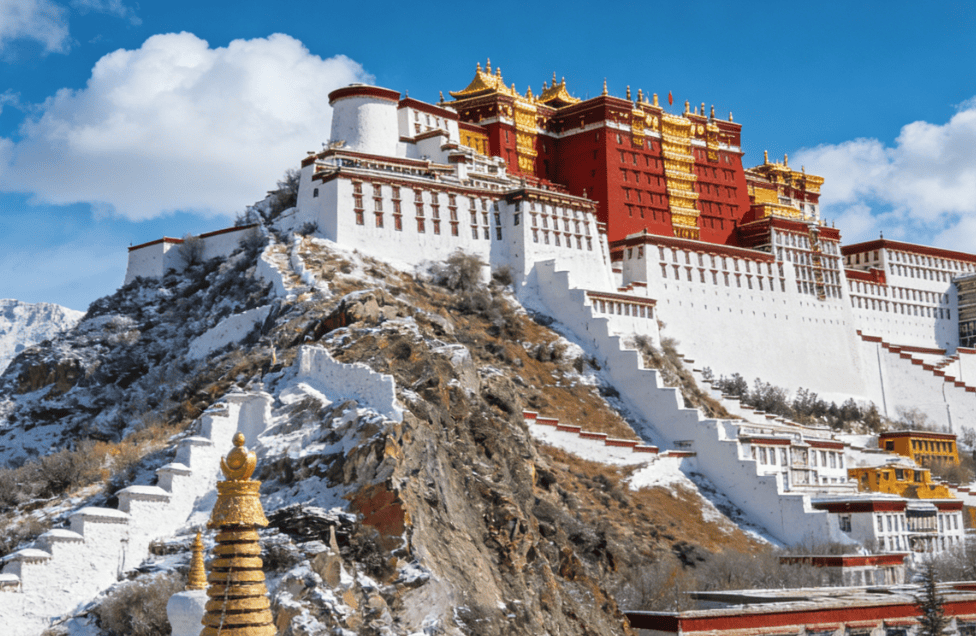
- Rooftop tea houses facing the Potala Palace
- Nomadic camps under endless star-filled skies
In Tibet, scenery becomes part of the meal.
Why Tibetan Food Feels So Different to Foreign Visitors
Because Tibetan cuisine was shaped by:
- Extreme altitude
- Nomadic survival traditions
- Buddhist influences
- Limited agriculture
- Ancient Himalayan trade routes
The result is food that feels deeply authentic and inseparable from the landscape itself.
Final Reflection: The Taste of Tibet Is the Taste of the Plateau Itself
Long after travelers leave Tibet, they often remember the warmth first: warm tea cups held between cold hands, warm yak broth after mountain roads, warm conversations inside dimly lit teahouses while prayer wheels spin outside in silence.
Tibetan cuisine does not try to impress with complexity or luxury. Its power comes from honesty — from flavors shaped directly by wind, altitude, devotion, and survival. And somewhere between the butter tea, the monastery incense, and the distant sound of chanting drifting through the night air, many travelers realize they are tasting far more than food. They are tasting the rhythm of life on the roof of the world.
发表回复