There Is a Side of China Most Travelers Never See
When people imagine China, they often picture ancient palaces, giant pandas, neon-lit skylines, and bustling cities.
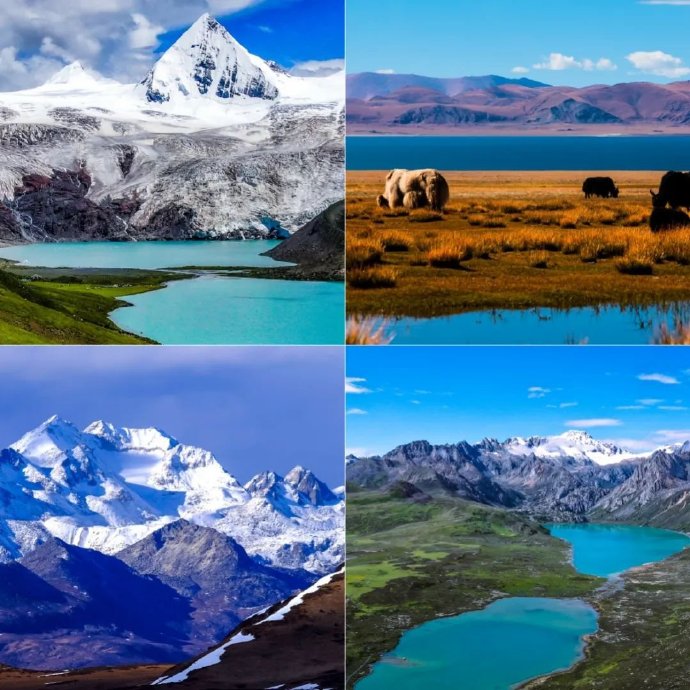
Few imagine standing alone beside an emerald alpine lake at 4,500 meters above sea level.
Fewer still imagine driving for hours through snow-capped mountains, crossing vast grasslands where yaks graze beneath endless skies, or watching golden sunlight illuminate remote Tibetan monasteries perched on windswept hillsides.
Yet this is exactly what awaits in Western Sichuan.
Stretching from the fertile Sichuan Basin toward the eastern edge of the Tibetan Plateau, Western Sichuan feels like a world apart. The landscapes are bigger, the roads are wilder, and the pace of life slows to match the rhythm of the mountains.
For travelers seeking dramatic scenery, authentic Tibetan culture, and one of Asia’s greatest road-trip adventures, Western Sichuan may be China’s best-kept secret.
Why Western Sichuan Deserves a Spot on Every Adventure Traveler’s List
Western Sichuan, often referred to as “Chuanxi” by Chinese travelers, lies at the transition between central China and the Tibetan Plateau.
This region is famous for:
- Spectacular mountain scenery
- High-altitude lakes
- Tibetan villages and monasteries
- Epic road-trip routes
- Snow-covered peaks
- Vast grasslands
- Rich wildlife
- World-class photography opportunities
Unlike many popular destinations in China, Western Sichuan still feels remarkably untouched.
The journey itself often becomes the highlight.
The Road That Changes Everything
One reason travelers fall in love with Western Sichuan is that the experience unfolds gradually.
Every few hours, the scenery transforms completely.
You leave Chengdu surrounded by urban life.
Then come forested valleys.
Then towering mountains.
Then endless plateaus.
Then remote Tibetan settlements where prayer flags flutter in the wind.
The transition feels less like traveling through a province and more like crossing into another world.
Must-Visit Places in Western Sichuan
Daocheng Yading: China’s Answer to Middle-earth
Many travelers describe Daocheng Yading as one of the most beautiful places in Asia.
The landscape features:
- Snow-covered sacred peaks
- Crystal-clear alpine lakes
- Ancient forests
- High-altitude meadows
The park inspired countless comparisons to fantasy worlds, yet the reality feels even more impressive.
For hikers and photographers, this is often the highlight of any Western Sichuan itinerary.
Tagong Grassland: Where the Sky Feels Endless
Located near the Tibetan town of Tagong, these grasslands stretch toward distant mountains beneath enormous skies.
Visitors often encounter:
- Grazing yaks
- Traditional Tibetan tents
- Golden monasteries
- Wildflowers during summer
At sunset, the entire landscape glows with warm light, creating unforgettable photography conditions.
Xinduqiao: The Photographer’s Paradise
Known among Chinese photographers as the “Corridor of Light,” Xinduqiao is famous for its unique lighting conditions.
Golden autumn trees, winding rivers, traditional Tibetan homes, and distant mountains combine to create some of the most photogenic landscapes in China.
Many travelers plan to spend just one night here and end up staying longer.
Yala Snow Mountain
Yala Snow Mountain is considered sacred by local Tibetan communities.
The mountain’s reflection in nearby alpine lakes creates one of Western Sichuan’s most iconic views.
Unlike some of China’s more crowded mountain destinations, Yala still offers a genuine sense of wilderness.
Moshi Park: The Alien Landscape
One of the region’s most unusual attractions, Moshi Park features dramatic stone formations shaped by geological forces over millions of years.
Walking through the park feels surprisingly similar to exploring landscapes from another planet.
Its distinctive terrain has become increasingly popular among photographers and drone enthusiasts.
Experiencing Tibetan Culture Without Going Deep Into Tibet
One of Western Sichuan’s greatest attractions is its strong Tibetan cultural influence.
Throughout the region, travelers can encounter:
- Prayer wheels
- Monasteries
- Tibetan festivals
- Traditional architecture
- Nomadic lifestyles
- Colorful prayer flags
Unlike larger tourist centers, many communities here maintain strong cultural traditions that remain closely connected to daily life.
For international travelers, Western Sichuan offers one of the most accessible introductions to Tibetan culture.
The Food of the Plateau
Traveling through Western Sichuan also means discovering unique highland cuisine.
Popular dishes include:
Yak Hot Pot
A hearty meal perfect after a cold mountain day.
Tibetan Butter Tea
An iconic local drink with a rich and distinctive flavor.
Highland Barley Specialties
A staple food throughout Tibetan regions.
Sichuan-Tibetan Fusion Cuisine
Combining the bold flavors of Sichuan with traditional plateau ingredients.
The food reflects centuries of cultural exchange between mountain communities.
Best Time to Visit Western Sichuan
Spring (April–May)
- Snow peaks remain visible
- Wildflowers begin blooming
- Fewer tourists
Summer (June–August)
- Greenest landscapes
- Pleasant temperatures
- Excellent road-trip conditions
Autumn (September–October)
- Golden forests
- Clear skies
- Best photography season
Winter (November–March)
- Snow-covered scenery
- Dramatic mountain views
- Quiet travel experience
For most visitors, late September and early October provide the perfect combination of weather and scenery.
A Classic Western Sichuan Road Trip Route
A popular route includes:
Chengdu → Kangding → Xinduqiao → Tagong → Yala Snow Mountain → Litang → Daocheng Yading → Chengdu
Duration:
- 7–10 days recommended
- Ideal for photographers and adventure travelers
This route combines mountain scenery, Tibetan culture, and some of China’s finest road-trip experiences.
Travel Tips for Foreign Visitors
- Altitude sickness can affect travelers above 3,000 meters.
- Spend time acclimatizing gradually.
- Bring layers, as temperatures can change quickly.
- UV exposure is strong at high elevations.
- A camera with extra batteries is highly recommended.
Many travelers underestimate just how much photography opportunities they will encounter.
Why Western Sichuan Feels Different
There are destinations that impress you with famous landmarks.
There are destinations that entertain you with activities.
And then there are destinations that quietly reshape your understanding of a place.
Western Sichuan belongs to the third category.
It reveals a side of China that many international travelers never expect to find—one defined not by crowds or skyscrapers, but by mountains, open space, and a profound connection between people and landscape.
Weeks after returning home, you may struggle to remember the names of every mountain pass or monastery. What stays with you instead is the feeling of driving through a valley where snow peaks touched the horizon in every direction. The silence of a high-altitude lake at sunrise. The sight of prayer flags dancing beneath an impossibly blue sky.
In a world where many travel destinations feel increasingly familiar, Western Sichuan still feels like discovery.
And that may be its greatest luxury of all.
If you’re searching for China’s ultimate alpine adventure, Western Sichuan is not just a destination—it’s the road trip you’ll compare every future journey to.
发表回复