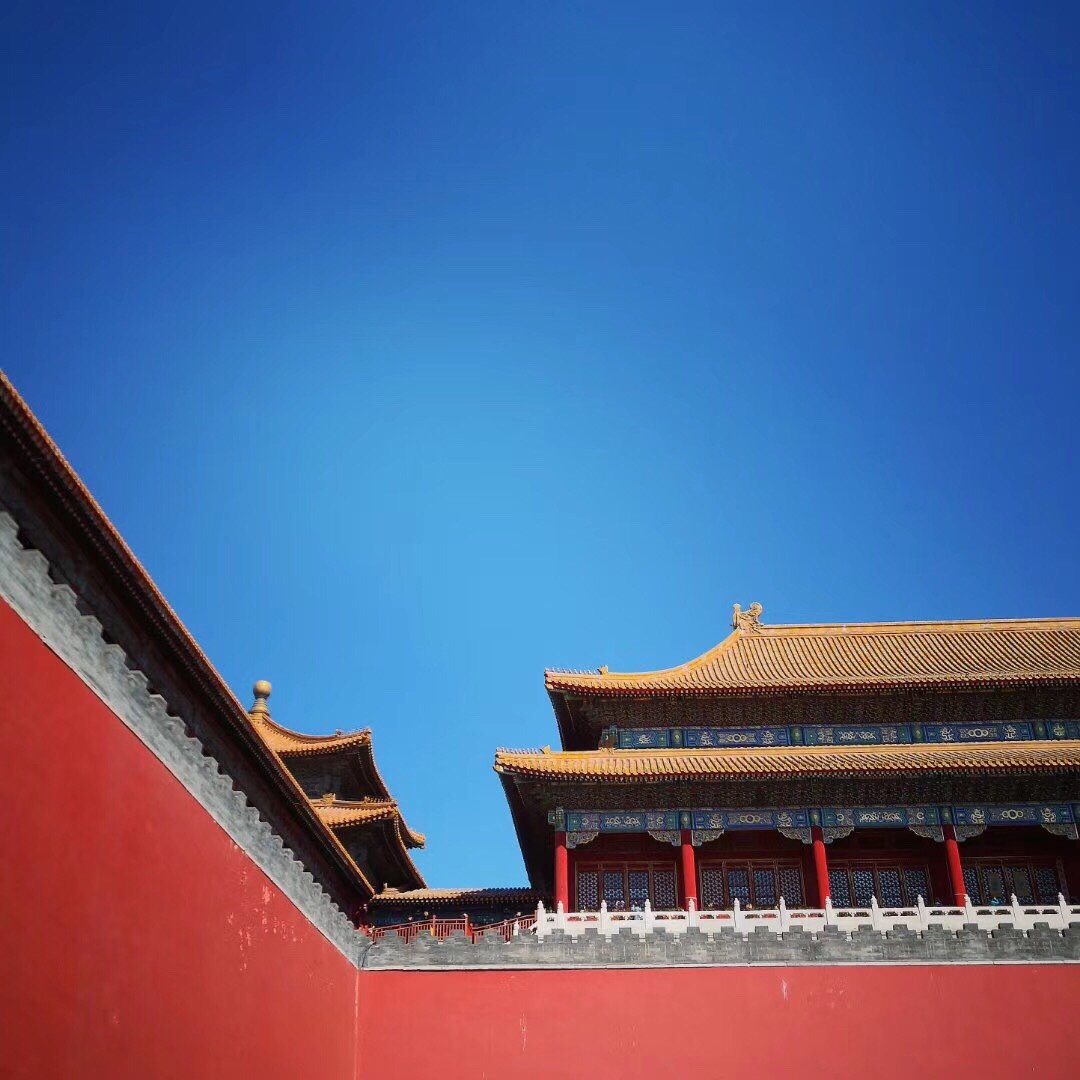
There are cities you visit for landmarks, and then there are cities you remember through flavor. Beijing belongs to the second category. Long after travelers forget museum tickets and subway routes, they still remember the sound of roasting duck ovens crackling behind ancient wooden doors, the steam rising from midnight dumpling shops, and the impossible aroma drifting through old hutong alleyways at winter sunset.
A Beijing food tour is not simply about tasting famous Chinese dishes — it is an immersion into thousands of years of imperial history, street culture, family traditions, and the rapidly changing rhythm of modern China. In one single day, you can eat inside a centuries-old courtyard once visited by Qing Dynasty officials, drink craft coffee in a hidden alley, and finish the night sharing skewers with locals under glowing red lanterns.
For foreign travelers searching for authentic China travel experiences, Beijing may be the most fascinating culinary city in Asia.
Why Beijing Is One of the World’s Greatest Food Cities


8
Unlike many Chinese cities known for a single dominant flavor profile, Beijing cuisine reflects centuries of migration, imperial influence, northern Chinese traditions, Muslim culinary heritage, and modern global trends.
Food in Beijing is deeply tied to storytelling. Every dish seems connected to an emperor, an ancient trade route, a hidden courtyard kitchen, or a forgotten family recipe.
Travelers often arrive expecting only Peking Duck. They leave discovering a city where handmade noodles, charcoal hotpot, crispy pastries, lamb skewers, fermented drinks, and royal desserts all coexist in one endlessly evolving food scene.
The Magic of Beijing’s Hutong Food Culture


7
The soul of Beijing food culture lives inside the hutongs — the narrow historic alleyways weaving through the old city.
In Beijing, some of the best meals are hidden behind plain wooden doors with no English signs. Tiny family-run kitchens serve recipes that have barely changed for generations.
Walking through the hutongs feels like entering another timeline. Elderly residents play chess outside courtyard homes while bicycles pass slowly through stone lanes scented with garlic, sesame oil, and grilled meat.
For many international visitors, this becomes the most emotional part of a Beijing food journey. It is not polished tourism — it is daily life.
Popular hutong food experiences include:
- Handmade Beijing noodles
- Charcoal lamb skewers
- Traditional sesame pancakes
- Fermented mung bean drinks
- Crispy beef pies
- Old-style Beijing hotpot
- Hidden courtyard tea houses
The contrast between ancient alleyways and futuristic skyscrapers creates a uniquely cinematic atmosphere that photographers and food lovers instantly fall in love with.
Peking Duck: The Dish That Became a Global Legend


6
No Beijing food tour is complete without authentic Peking Duck.
But tasting real Beijing duck inside the city where it was perfected is completely different from eating overseas versions.
Traditional Beijing duck is roasted in special ovens until the skin becomes incredibly crisp while the meat stays tender and juicy. Sliced tableside by skilled chefs, the duck is wrapped in thin pancakes with scallions, cucumber, and sweet bean sauce.
The experience is theatrical, elegant, and deeply connected to imperial Chinese dining traditions.
Some restaurants continue techniques developed during the Ming and Qing Dynasties, preserving culinary rituals that once served royal courts.
For foreign travelers, this is often their first realization that Chinese cuisine can be as refined and ceremonial as French or Japanese fine dining.
Beijing’s Muslim Food Streets: A Different Side of Chinese Cuisine


4
Many travelers are surprised to discover Beijing’s strong Islamic culinary influence.
Around Niujie Mosque, one of the oldest mosques in China, visitors can explore a completely different food culture filled with halal noodles, lamb dishes, baked breads, and fragrant spices.
The streets around Niujie are famous for:
- Hand-pulled noodles
- Lamb soup
- Sesame flatbread
- Beef pastries
- Traditional Chinese Muslim barbecue
- Sweet rice cakes
The atmosphere feels very different from central Beijing — more local, more intimate, and deeply connected to China’s Silk Road history.
For food-focused travelers, this area reveals how multicultural Chinese cuisine truly is.
Beijing Breakfast: One of China’s Most Underrated Food Experiences


8
Most tourists sleep through one of Beijing’s greatest culinary moments: breakfast.
Early mornings in Beijing are filled with sizzling street stalls preparing hot pancakes, soy milk, steamed buns, fried dough sticks, and fresh tofu dishes.
One of the most iconic local breakfasts is Jianbing, a savory Chinese crepe layered with egg, crispy crackers, herbs, sauces, and chili.
Watching a street vendor make jianbing at incredible speed is itself part of the experience.
Foreign visitors often describe Beijing breakfast culture as more social and energetic than in many Western cities. Office workers, students, elderly residents, and delivery riders all gather around tiny stalls before the city fully wakes up.
Hidden Cocktail Bars, Tea Houses, and Beijing’s Modern Food Scene
Beijing is not trapped in the past. Alongside imperial cuisine and traditional street food, the city has become one of Asia’s most creative culinary capitals.
Inside renovated factories and hidden hutongs, travelers now find:
- Contemporary Chinese fine dining
- Speakeasy cocktail bars
- Experimental tea houses
- Fusion restaurants
- Craft breweries
- Designer cafés
This modern layer makes Beijing especially attractive for younger international travelers looking for both authenticity and urban creativity.
The city constantly reinvents itself while still protecting fragments of old Beijing culture.
Best Seasons for a Beijing Food Tour
Autumn is widely considered the best season for visiting Beijing.
- September to November: Cool weather, clear skies, and ideal conditions for walking food tours.
- Winter: Perfect for hotpot, roast duck, and warming northern Chinese dishes.
- Spring: Comfortable temperatures and beautiful park scenery.
- Summer: Vibrant nightlife and outdoor dining, though temperatures can be hot.
Winter food culture in Beijing is particularly memorable. Eating steaming hotpot while snow falls quietly inside ancient courtyards creates an atmosphere difficult to find anywhere else in the world.
Combining Food With Beijing’s Historical Landmarks


6
One reason Beijing works so well as a culinary destination is that food naturally connects with the city’s historical attractions.
Travelers can spend the morning exploring The Forbidden City, walk through local hutongs in the afternoon, and finish the evening with roast duck and traditional Chinese liquor.
Others combine sunrise visits to The Great Wall of China with mountain village lunches featuring handmade noodles and rustic northern Chinese dishes.
Unlike heavily commercialized tourist destinations, Beijing still allows visitors to experience real local culture between famous landmarks.
Final Thoughts: Why Beijing Is the Ultimate Gateway Into Chinese Food Culture
Many cities around the world have good restaurants. Beijing offers something much deeper — an edible timeline of Chinese civilization itself.
In this city, food carries memory. Recipes survive dynasties. Alleyways preserve forgotten flavors. Family kitchens quietly continue traditions older than many modern nations.
A Beijing food tour is not about checking famous dishes off a list. It is about understanding how history, migration, community, and daily life shaped one of the world’s richest culinary cultures.
For travelers seeking more than sightseeing — for those who want to feel China rather than simply observe it — Beijing may become the most unforgettable meal of their lives.
发表回复