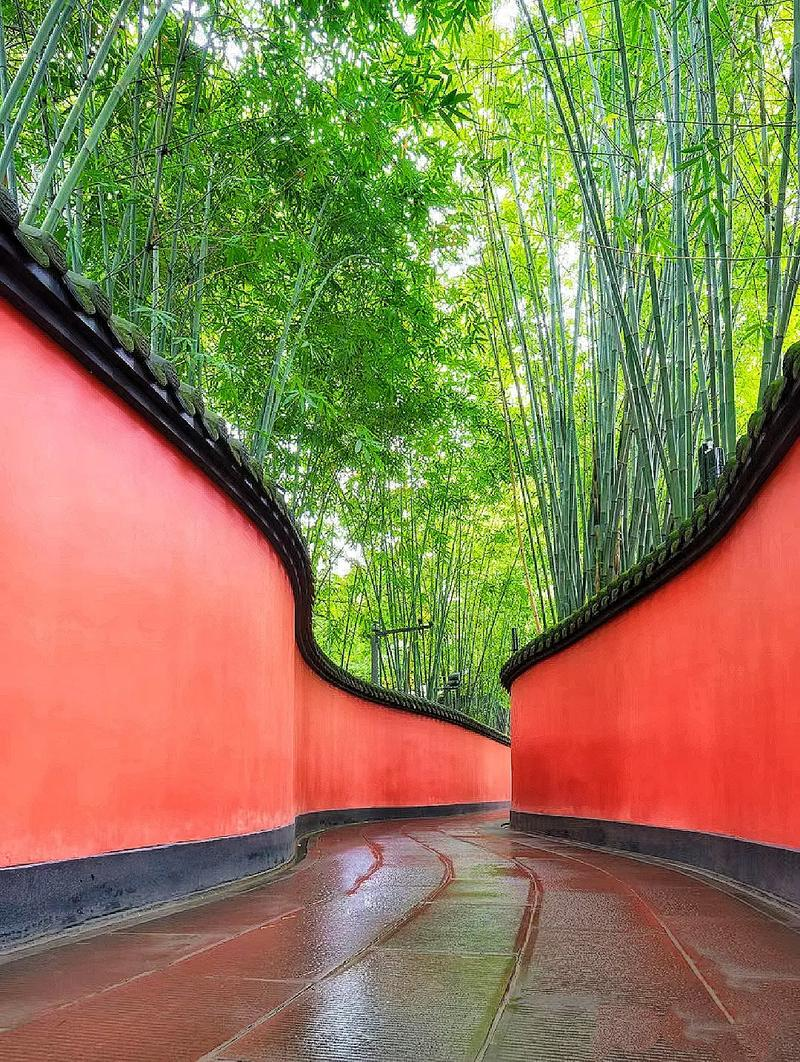
Long before Chengdu became famous for pandas, hotpot, and internet-famous cafés, the city was already quietly preserving something far more valuable: memory. Not museum memory trapped behind glass, but living memory — traditions still practiced in old courtyards, hidden workshops, bamboo tea houses, temple fairs, and neighborhood alleys where elderly craftsmen continue skills passed down for generations.
For many foreign travelers, the greatest surprise about Chengdu is not how modern it feels, but how deeply human it remains. In an age where many global cities are becoming culturally interchangeable, Chengdu still moves at the rhythm of local life. Here, people gather for tea instead of rushing. Opera performers still change masks faster than the eye can follow. Embroiderers still stitch silk by hand under warm yellow light. Ancient rituals continue beside futuristic skyscrapers without feeling staged for tourists.
A Chengdu intangible cultural heritage journey is not simply a sightseeing trip through China. It is an invitation to step inside one of Asia’s last great living cultural ecosystems — where tradition is not frozen in the past, but still breathing in everyday life.
Why Chengdu Is One of China’s Most Important Cultural Heritage Cities


4
Chengdu has been a cultural center for more than two thousand years. Protected by the fertile Sichuan Basin and historically connected to trade routes across Asia, the region developed its own unique identity distinct from northern and coastal China.
Today, Chengdu remains one of the best places in China to experience living intangible cultural heritage, including:
- Sichuan Opera
- Shu embroidery
- Traditional tea culture
- Bamboo weaving
- Shadow puppetry
- Chinese calligraphy
- Ancient Sichuan folk music
- Traditional herbal medicine culture
- Handcrafted lantern making
- Taoist and Buddhist ritual traditions
Unlike highly commercialized tourist performances found elsewhere, many Chengdu cultural experiences still happen naturally within local communities.
For foreign travelers searching for authentic Chinese culture beyond surface-level tourism, Chengdu offers something rare: traditions that still feel emotionally real.
Sichuan Opera and the Mystery of Face-Changing


6
One of Chengdu’s most unforgettable cultural experiences is watching authentic Sichuan Opera.
Unlike Western opera, Sichuan Opera combines music, comedy, acrobatics, storytelling, puppetry, and martial arts into one theatrical art form. But the most legendary element is Bian Lian — the famous “face-changing” performance.
During the show, performers instantly switch masks in fractions of a second, often right in front of the audience. Even modern viewers struggle to understand how it happens.
For centuries, the techniques behind face-changing were closely guarded secrets passed only between masters and apprentices.
Watching Sichuan Opera inside a traditional theater feels almost dreamlike for international visitors. The colors, costumes, instruments, and atmosphere create a completely different understanding of Chinese performing arts beyond kung fu movie stereotypes.
Chengdu Tea Houses: The Living Heart of Local Culture


7
If there is one place where Chengdu’s cultural soul still fully survives, it is the tea house.
Across parks, temples, riversides, and old neighborhoods, locals spend hours drinking jasmine tea, chatting with friends, reading newspapers, or simply sitting quietly beneath bamboo trees.
Tea houses in Chengdu are not luxury experiences reserved for tourists. They are extensions of daily life.
Foreign travelers are often amazed by how relaxed the atmosphere feels compared to fast-moving modern cities. Elderly men play mahjong for entire afternoons while waiters continuously refill tea cups with long-spouted kettles in performances that resemble martial arts choreography.
Some tea houses also preserve traditional folk arts, including:
- Storytelling performances
- Sichuan folk music
- Ear-cleaning rituals
- Shadow puppetry
- Traditional instrument performances
For many visitors, sitting inside a Chengdu tea house becomes one of the most emotionally memorable moments of their entire China journey.
Shu Embroidery: Silk Art Passed Down for Centuries


10
Among China’s most prestigious embroidery traditions, Shu embroidery represents the artistic elegance of Sichuan culture.
Dating back over two thousand years, this intricate craft uses delicate silk threads to create astonishingly detailed images of flowers, birds, pandas, mountains, and traditional Chinese scenes.
Inside small workshops across Chengdu, artisans still spend weeks or even months completing a single piece entirely by hand.
For foreign travelers accustomed to mass production and digital culture, watching Shu embroidery being created often feels deeply meditative and unexpectedly moving.
Each stitch carries patience rarely found in modern life.
Ancient Alleys and Hidden Craft Workshops


6
Historic districts such as Kuanzhai Alley preserve much of Chengdu’s old urban atmosphere.
Behind gray-brick courtyards and wooden doors, visitors can still discover:
- Handmade lantern studios
- Bamboo weaving workshops
- Traditional paper cutting artists
- Ceramic makers
- Incense craftsmen
- Calligraphy masters
Unlike typical souvenir markets, many of these workshops are real working spaces where artisans continue family traditions passed through generations.
For photographers, filmmakers, and culturally curious travelers, these hidden alleys reveal a quieter and more intimate side of China rarely shown in mainstream tourism.
Taoist Culture and Chengdu’s Spiritual Side


6
Beyond crafts and performance arts, Chengdu also connects deeply with ancient Chinese spirituality.
Nearby Mount Qingcheng is considered one of the birthplaces of Taoism. Mist-covered temples hidden among forests create an atmosphere that feels mystical and timeless.
Travelers interested in Chinese philosophy, meditation, martial arts, or traditional wellness often find this region especially meaningful.
The slower pace of Sichuan culture naturally complements spiritual exploration.
Why Chengdu’s Cultural Heritage Feels Different From Other Tourist Cities
Many destinations preserve culture as performance. Chengdu preserves culture as lifestyle.
This difference matters.
Traditions here still exist because local people continue practicing them naturally — not only because tourists arrive to watch them.
Tea houses are full because locals genuinely go there daily. Crafts survive because families still value them. Opera continues because communities still support it.
For foreign visitors, this creates a much deeper and more authentic emotional connection.
Chengdu does not feel like a city pretending to remember its past. It feels like a city still living inside it.
Best Time for a Chengdu Cultural Heritage Tour
- Spring (March–May): Mild weather and beautiful park scenery.
- Autumn (September–November): Best overall season for cultural walking tours.
- Winter: Cozy tea house atmosphere and fewer tourists.
- Summer: Lively festivals and nighttime cultural performances.
Autumn is generally ideal for combining heritage exploration, photography, tea culture, and nearby mountain excursions.
Combining Cultural Heritage With Pandas and Sichuan Cuisine


8
One reason Chengdu works so well for international travelers is its balance between culture, food, and nature.
Visitors can spend the morning at Chengdu Research Base of Giant Panda Breeding, enjoy authentic Sichuan hotpot at night, and explore centuries-old tea houses and opera theaters in between.
Very few cities in Asia offer this level of cultural depth while still feeling accessible, relaxed, and highly livable.
Final Thoughts: Why Chengdu May Be China’s Most Soulful Cultural Journey
In many parts of the world, tradition survives mainly as nostalgia. In Chengdu, tradition still breathes.
It lives in the sound of opera gongs echoing through old theaters. In steam rising from bamboo tea cups. In the hands of elderly artisans stitching silk under quiet afternoon light. In conversations that last for hours instead of minutes.
Chengdu teaches travelers something modern tourism often forgets: culture is not only something you see — it is something you slow down enough to feel.
For those searching for a deeper side of China beyond famous landmarks and fast-moving itineraries, Chengdu offers a rare gift: the chance to experience a civilization not as history, but as everyday life still unfolding in real time.

发表回复