
China is no longer just a destination for sightseeing. For many international travelers, it has become one of the world’s most fascinating places for immersive educational travel — where ancient philosophy, futuristic cities, traditional crafts, and local communities exist side by side in ways few countries can match.
A China study tour is not about standing in long lines with a flag-following group. It is about learning kung fu at a mountain temple before sunrise, joining a tea master in the misty hills of Fujian, practicing calligraphy inside a centuries-old courtyard, building robots in Shenzhen, or discussing sustainability with local entrepreneurs in Chengdu cafés. It is travel that changes how people see the world.
For foreign visitors seeking something deeper than ordinary tourism, China offers one of the richest educational journeys on Earth.
Why China Is Becoming a Top Destination for Educational Travel
In recent years, global travelers have started looking for experiences that combine culture, learning, and human connection. China naturally fits this trend because the country offers dramatic contrasts that feel almost impossible in one trip:
- 5,000 years of history alongside AI-powered megacities
- Ancient Buddhist caves beside high-speed rail networks
- Traditional medicine markets near luxury design districts
- Remote ethnic villages connected by modern digital infrastructure
Unlike many destinations where cultural experiences feel staged, educational travel in China often feels surprisingly authentic and participatory.
Foreign travelers can:
- Learn Mandarin basics from local families
- Join traditional Chinese painting workshops
- Explore Taoist philosophy in mountain retreats
- Participate in tea ceremonies with regional tea masters
- Experience Chinese martial arts training
- Visit leading Chinese technology companies and innovation hubs
- Study Chinese cuisine directly from local chefs
China is especially attractive for travelers who want meaningful interaction instead of passive tourism.
What Makes a China Study Tour Different?
Most tourists only see the surface of China. Educational travel opens doors that ordinary itineraries rarely include.
1. Real Cultural Immersion
Instead of simply visiting famous landmarks, travelers become participants in daily life.
Imagine spending the morning at a traditional wet market in Chengdu learning about Sichuan spices, then cooking authentic local dishes with a family-run restaurant owner. Later that evening, you might watch locals practice square dancing in public parks while elderly musicians play traditional instruments nearby.
These moments create cultural understanding that guidebooks cannot provide.
2. Access to Ancient Traditions Still Alive Today
China is one of the few countries where ancient traditions remain deeply woven into modern society.
Travelers can study:
- Chinese calligraphy
- Tai Chi and Qigong
- Traditional Chinese Medicine
- Buddhist meditation
- Taoist philosophy
- Silk embroidery
- Porcelain craftsmanship
- Shadow puppetry and opera arts
Many workshops are taught by masters whose families have preserved these traditions for generations.
3. A Front-Row Seat to China’s Innovation Boom
One of the most surprising parts of modern China for foreigners is how technologically advanced daily life has become.
Cities like Shenzhen and Hangzhou offer study opportunities focused on:
- Artificial intelligence
- Smart city systems
- E-commerce ecosystems
- Electric vehicles
- Robotics manufacturing
- Digital payment infrastructure
- Green technology
For students, entrepreneurs, and business travelers, this side of China can feel more futuristic than expected.
Best Destinations in China for Educational Travel
Beijing: Imperial History and Intellectual Culture
Beijing remains one of the best places to understand China’s historical and political identity.
Travel experiences often include:
- Visiting the Forbidden City with historians
- Studying Confucian philosophy
- Participating in hutong cultural workshops
- Practicing traditional arts in courtyard homes
- Exploring the Great Wall of China beyond the main tourist sections
For many foreigners, Beijing feels like stepping into layers of dynasties while still standing inside a modern superpower.


8
Chengdu: Tea Culture, Pandas, and Slow Living
Chengdu offers a softer and more relaxed side of China that many international travelers fall in love with.
Study tours here often focus on:
- Sichuan cuisine and cooking classes
- Tea house culture
- Traditional medicine
- Panda conservation programs
- Taoist mountain retreats
- Local community interaction
The pace of life in Chengdu allows travelers to experience modern Chinese life more naturally.


4
Xi’an: The Silk Road Experience
Xi’an is ideal for travelers interested in ancient civilizations and intercultural history.
Educational themes include:
- The Silk Road trade network
- Chinese archaeology
- Tang Dynasty culture
- Islamic influences in China
- Ancient military history
The city’s multicultural heritage makes it especially fascinating for international visitors.
Guilin and Rural China: Ecology and Village Life
Foreign travelers increasingly want experiences beyond megacities.
In regions around Guilin, study tours may include:
- Sustainable farming experiences
- Ethnic minority culture exchanges
- Bamboo craft workshops
- River ecology programs
- Homestays in traditional villages
These journeys reveal a quieter China that many visitors never expect.


7
Popular Themes for Foreign Educational Travelers in China
Chinese Language and Communication
Many visitors join short-term Mandarin immersion programs because China becomes dramatically more rewarding once travelers can communicate even at a basic level.
Simple conversations often lead to unforgettable human connections.
Chinese Food and Culinary Culture
Chinese cuisine is incredibly regional. A proper study tour introduces travelers to the stories behind the food, not just the dishes themselves.
Travelers can learn:
- Handmade noodle techniques
- Dim sum preparation
- Sichuan spice balancing
- Tea pairing traditions
- Regional street food culture
For food lovers, China can feel like several countries combined into one culinary universe.
Martial Arts and Wellness
From Shaolin kung fu to Tai Chi in city parks, China remains a global center for mind-body traditions.
Many international visitors join wellness-focused journeys that combine:
- Meditation
- Martial arts
- Mountain hiking
- Traditional medicine
- Tea ceremonies
- Digital detox retreats
These programs are especially popular among travelers seeking personal transformation.
Tips for Foreign Travelers Joining a China Study Tour
Stay Curious, Not Judgmental
China can feel surprising, chaotic, inspiring, and confusing — sometimes all within the same day. Travelers who remain open-minded usually have the richest experiences.
Go Beyond Major Tourist Attractions
The most meaningful experiences often happen in smaller neighborhoods, local markets, family workshops, and ordinary conversations.
Learn Basic Mandarin Phrases
Even simple greetings create warmer interactions with locals.
A few useful phrases:
- Ni Hao — Hello
- Xie Xie — Thank you
- Duo Shao Qian — How much is it?
- Zai Jian — Goodbye
Locals often appreciate the effort even if pronunciation is imperfect.
Prepare for Digital Life in China
China’s digital ecosystem is unique. Before traveling, visitors should prepare essential apps for:
- Mobile payments
- Translation
- Transportation
- Messaging
- Navigation
Understanding China’s digital systems becomes part of the educational experience itself.
The Future of Educational Travel Is Experiential — And China Is Leading the Trend
More travelers are beginning to realize that the best journeys are not only about seeing famous places. They are about gaining perspective, developing cross-cultural understanding, and experiencing the world in ways that leave a lasting impact.
China offers exactly that kind of transformation.
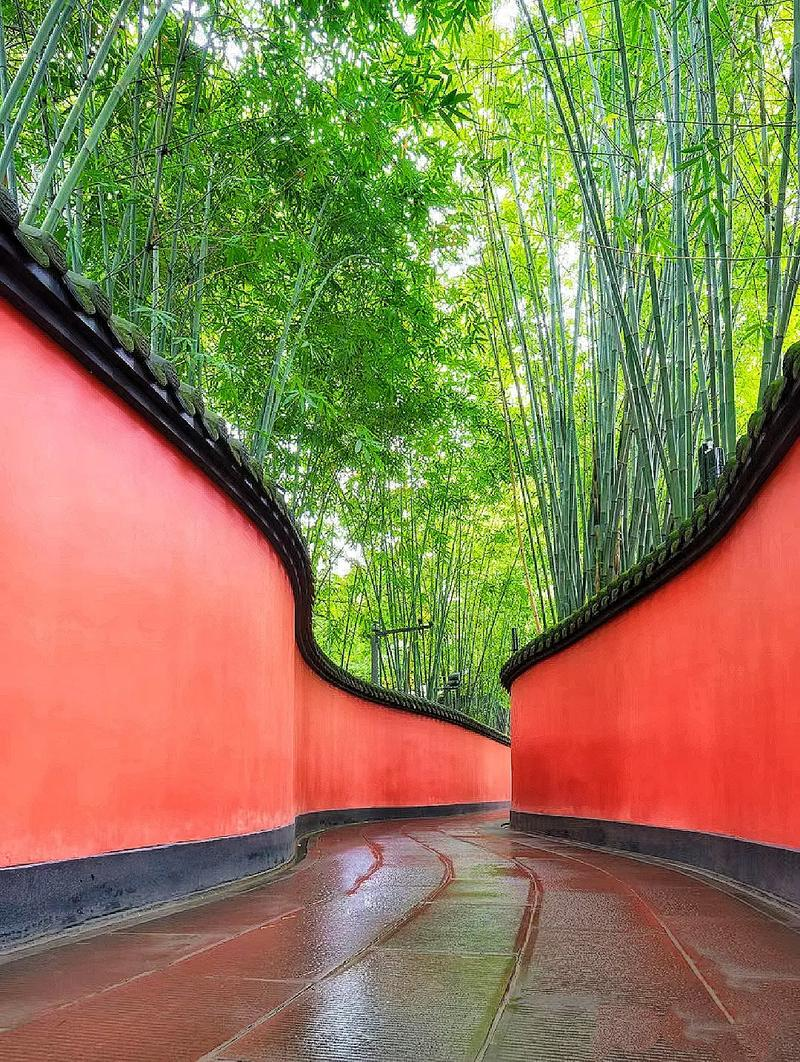
One day you may be drinking tea beside bamboo forests older than some nations. The next, you could be riding the world’s fastest trains toward a skyline filled with autonomous technology and neon reflections. Few destinations create such dramatic contrasts while still feeling deeply rooted in tradition.
For international travelers seeking something more meaningful than ordinary tourism, a China study tour is not simply a vacation.
It is an invitation to step inside one of the world’s oldest civilizations while watching the future unfold in real time.
发表回复