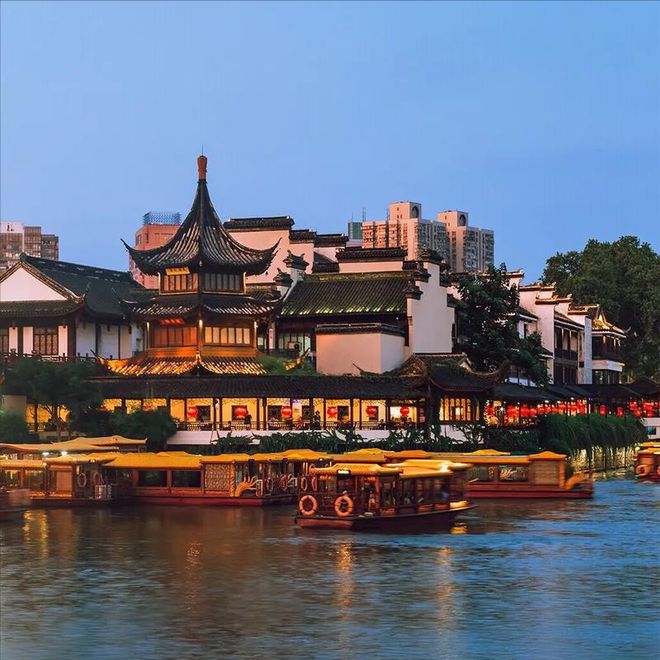
Some cities impress visitors with spectacle. Nanjing whispers instead.
It whispers through the sound of rain falling on Ming Dynasty stone walls, through the slow movement of calligraphy brushes inside hidden studios, through the fragrance of sandalwood drifting from ancient temples, and through old craftsmen quietly preserving traditions that survived emperors, wars, revolutions, and modern skyscrapers.
For many foreign travelers, Nanjing feels unexpectedly emotional. Unlike the overwhelming speed of Beijing or Shanghai, Nanjing carries a softer rhythm — elegant, intellectual, reflective, and deeply layered with memory. Once the capital of multiple Chinese dynasties, the city became a meeting point of imperial culture, literature, religion, philosophy, craftsmanship, and traditional arts that still quietly survive today.
A Nanjing intangible cultural heritage tour is not simply about visiting historical sites. It is about entering the quieter side of Chinese civilization — the side hidden inside embroidery workshops, Kunqu opera stages, lantern festivals, tea courtyards, and old alleyways where tradition continues without trying to attract attention.
For travelers seeking authentic Chinese culture beyond viral tourist attractions, Nanjing may become one of the most unforgettable cultural journeys in Asia.
Why Nanjing Is One of China’s Most Important Cultural Heritage Cities


9
As one of China’s ancient capitals, Nanjing played a major role in shaping Chinese art, literature, architecture, philosophy, and craftsmanship for centuries.
Today, the city preserves a remarkable range of intangible cultural heritage traditions, including:
- Yunjin brocade weaving
- Qinhuai lantern craftsmanship
- Kunqu Opera
- Traditional Chinese calligraphy
- Tea culture
- Classical guqin music
- Paper cutting
- Incense making
- Ancient wood carving
- Buddhist and Confucian ritual traditions
Unlike highly commercialized tourist cities, many of Nanjing’s cultural traditions still survive within real communities and working artisan spaces.
For foreign visitors, this creates a far deeper and more intimate experience of China.
Yunjin Brocade: The “Fabric of Emperors”


6
Among Nanjing’s most extraordinary cultural treasures is Yunjin brocade, one of the most sophisticated silk weaving traditions in human history.
For centuries, Yunjin fabric was reserved almost exclusively for emperors and royal families. The weaving techniques are so complex that some patterns require multiple artisans working together on massive wooden looms.
The word “Yunjin” means “cloud brocade,” reflecting the shimmering texture and layered colors that resemble clouds at sunrise.
Inside traditional workshops, visitors can still watch master artisans creating intricate silk patterns completely by hand using techniques preserved for over a thousand years.
For many international travelers, witnessing Yunjin weaving becomes a profound reminder that luxury once meant patience, skill, and time — not mass production.
Qinhuai River: Where Lantern Culture Still Glows


8
At night, the area surrounding the Qinhuai River transforms into one of the most atmospheric cultural districts in China.
For centuries, Qinhuai has been associated with poetry, music, scholars, merchants, and lantern culture. Even today, traditional lantern makers continue producing handcrafted designs using bamboo, silk, and painted paper.
Walking beside the river beneath glowing lanterns feels cinematic for foreign visitors — especially during festivals when reflections dance across the water while traditional music drifts through the air.
Unlike modern LED displays, handcrafted Qinhuai lanterns carry warmth and imperfection that make the experience feel deeply human.
Kunqu Opera: China’s Most Elegant Performing Art


8
Long before Beijing Opera became internationally famous, Kunqu Opera represented one of China’s highest artistic traditions.
Originating in the Jiangnan region near Nanjing, Kunqu is often described as the most refined and poetic form of Chinese opera.
Its performances combine:
- Classical literature
- Graceful dance movements
- Delicate singing
- Symbolic gestures
- Traditional instruments
- Elaborate costumes
For first-time foreign audiences, Kunqu feels almost dreamlike — slow, elegant, emotional, and visually stunning.
UNESCO recognized Kunqu as a Masterpiece of the Oral and Intangible Heritage of Humanity, helping preserve an art form that once entertained scholars and imperial elites for centuries.
Watching a live Kunqu performance inside an old theater in Nanjing offers travelers a completely different understanding of Chinese aesthetics and storytelling.
Old Alleyways and Hidden Artisan Studios


9
Beyond major landmarks, Nanjing’s older neighborhoods preserve quiet pockets of traditional craftsmanship.
Inside narrow lanes and courtyard houses, visitors can still discover:
- Calligraphy studios
- Handmade incense workshops
- Bamboo craftsmen
- Traditional tea spaces
- Stone seal carving artists
- Woodblock print makers
These hidden spaces feel far removed from China’s high-speed modern image.
For culturally curious travelers, they reveal a slower and more contemplative side of Chinese civilization rarely visible in mainstream tourism.
Tea, Poetry, and the Scholar Culture of Nanjing


8
Nanjing has long been associated with scholars, poets, philosophers, and intellectual life.
Unlike cities centered mainly around commerce or politics, Nanjing developed a strong literary atmosphere that still influences local culture today.
Traditional tea houses remain important gathering spaces where visitors can experience:
- Classical Chinese tea ceremonies
- Guqin music performances
- Poetry readings
- Ink painting
- Quiet garden architecture
For many foreign travelers exhausted by fast-paced tourism, these spaces become deeply calming and memorable.
Nanjing invites people not only to observe Chinese culture — but to slow down enough to feel it.
Spiritual Heritage: Temples, Philosophy, and Reflection


5
Nanjing also preserves important Buddhist and philosophical traditions.
Places like Jiming Temple continue centuries-old spiritual practices while offering peaceful escapes from urban life.
The city’s historical relationship with Confucianism, Buddhism, and classical education shaped much of its artistic and intellectual identity.
For travelers interested in Chinese philosophy, meditation, aesthetics, or spiritual history, Nanjing offers a far more reflective atmosphere than many larger tourist destinations.
Why Nanjing Feels Different From Other Chinese Cities
Many destinations in modern China impress travelers with speed, scale, and futuristic energy.
Nanjing impresses people differently.
The city feels mature rather than flashy. Its beauty reveals itself gradually — through details, textures, conversations, quiet gardens, handwritten characters, and old traditions still surviving in ordinary daily life.
For foreign travelers searching for depth instead of spectacle, Nanjing often becomes unexpectedly emotional.
It feels less like a performance for tourists and more like a conversation with history itself.
Best Time for a Nanjing Cultural Heritage Tour
- Spring (March–May): Cherry blossoms, mild weather, and beautiful gardens.
- Autumn (September–November): Ideal temperatures and golden autumn scenery.
- Winter: Atmospheric temple visits and fewer crowds.
- Summer: Vibrant riverside night culture, though temperatures can be humid.
Autumn is widely considered the best season for combining heritage exploration, photography, and walking tours.
Combining Cultural Heritage With Historical Landmarks


9
Nanjing’s cultural heritage experiences naturally connect with its historical landmarks, including:
- Confucius Temple of Nanjing
- Ming Xiaoling Mausoleum
- Nanjing City Wall
Unlike destinations focused only on sightseeing, Nanjing allows travelers to experience how art, philosophy, spirituality, and daily life once intertwined inside traditional Chinese civilization.
Final Thoughts: Why Nanjing May Be China’s Most Elegant Cultural Journey
Some cities show you modern China. Nanjing helps you understand its soul.
It exists in the glow of river lanterns after rain. In the silence of an old calligraphy studio. In the rhythm of silk threads crossing ancient wooden looms. In opera melodies so delicate they almost feel suspended in time.
Nanjing reminds travelers that the deepest forms of culture are rarely loud.
They survive quietly — carried by craftsmen, musicians, storytellers, tea masters, and ordinary people who continue traditions not because the world is watching, but because memory itself still matters.
For those seeking a more meaningful and emotionally layered side of China, Nanjing offers something increasingly rare in modern travel: elegance with depth, history with humanity, and heritage that still feels alive.

发表回复