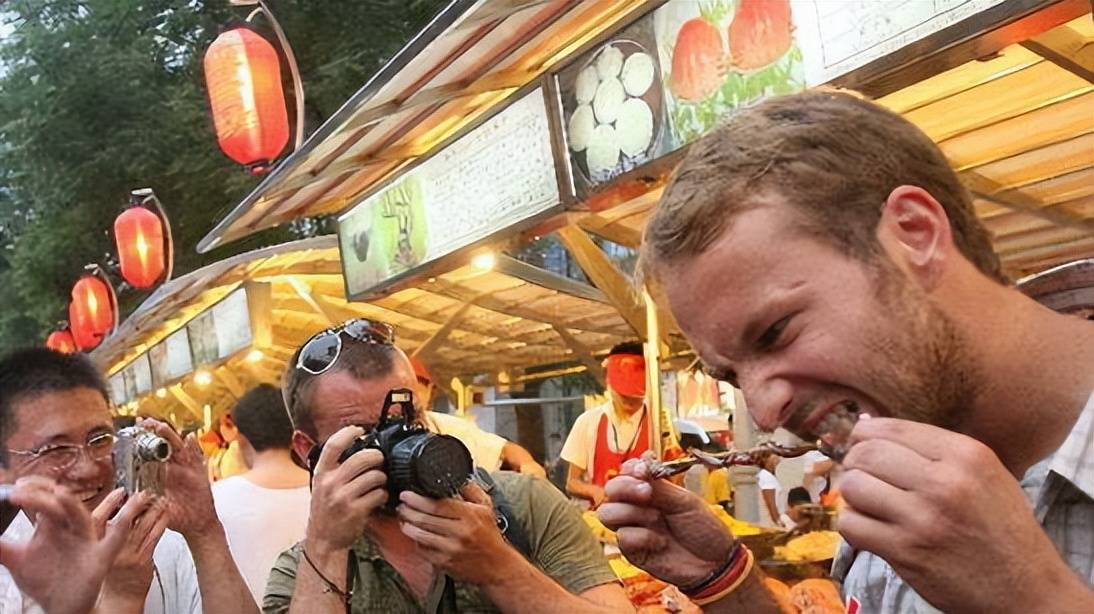
If you think Chinese food is only about dumplings, noodles, and sweet-and-sour dishes, Hunan is about to completely rewrite your understanding of China. Deep in southern China lies a province where chili peppers are treated almost like religion, midnight food streets never truly sleep, and every meal feels like a celebration of bold flavors, human warmth, and centuries of culinary tradition.
A Hunan food tour is not simply about eating spicy food — it is about entering a living cultural world where smoky aromas drift through old alleyways, where local grandmothers still pickle vegetables by hand, and where adventurous travelers discover a side of China that most international tourists never experience. From the neon-lit streets of Changsha to riverside ancient towns hidden in the mountains, Hunan offers one of the most unforgettable culinary travel experiences in Asia.
Why Hunan Cuisine Is Different From Every Other Chinese Food Experience


8
Known in China as Xiang Cuisine, Hunan food is famous for its intense flavors, fresh chilies, smoked ingredients, fermented vegetables, and powerful aromas. Unlike the numbing spice of Sichuan cuisine, Hunan food focuses on pure chili heat combined with freshness, garlic, smoke, and sourness.
What surprises many foreign travelers most is that Hunan food feels incredibly alive. Ingredients are often sourced locally and cooked quickly with aggressive heat, preserving texture and flavor. Every meal carries a strong sense of place.
For travelers searching for authentic China travel experiences beyond tourist clichés, Hunan delivers something raw, emotional, and memorable.
Changsha: China’s Most Exciting Food City You’ve Probably Never Heard Of


6
The capital city of Changsha has quietly become one of China’s hottest domestic travel destinations. Young Chinese travelers flood the city for music festivals, tea shops, trendy cafés, and most importantly — legendary street food.
At night, the city transforms into a giant open-air dining hall. Locals gather around sizzling grills while the smell of chili oil, barbecue smoke, and fried garlic fills the air.
Some must-try foods in Changsha include:
- Stinky Tofu (Chou Doufu) — Crispy outside, soft inside, with a fermented aroma that shocks first-time visitors but quickly becomes addictive.
- Spicy Crayfish — A midnight favorite covered in garlic, chili, and secret sauces.
- Sugar Oil Baba — A chewy fried rice cake snack coated in caramelized sugar.
- Hunan Rice Noodles — Often eaten for breakfast with rich broth and pickled vegetables.
- Smoked Pork with Chili Peppers — One of the defining dishes of Hunan cuisine.
Foreign visitors often compare Changsha’s energy to a combination of Bangkok street food culture and Seoul nightlife — but with a distinctly Chinese soul.
The Ancient Towns Where Food and History Meet


8
Beyond the big cities, Hunan’s smaller towns reveal an even deeper culinary culture.
In Fenghuang Ancient Town, riverside wooden houses glow under lantern light while local restaurants serve grilled river fish, pickled vegetables, and handmade rice wine. Travelers can sit beside the water listening to traditional music while tasting recipes passed down for generations.
Meanwhile, Furong Ancient Town — dramatically built beside a waterfall — offers spicy tofu dishes, smoked meats, and mountain herbs unique to western Hunan.
These places are especially attractive for international travelers seeking “slow travel” experiences in China. Instead of rushing between landmarks, visitors spend evenings tasting local dishes, talking with residents, and exploring old stone streets after dark.
The Hidden Philosophy Behind Hunan Food
One reason Hunan cuisine fascinates foreign travelers is that the food reflects the personality of the region itself.
Hunan people are traditionally known in China for being passionate, direct, resilient, and energetic. Their cuisine mirrors that identity: bold flavors, unapologetic spice, and strong contrasts.
Many local dishes were originally created for farmers and mountain workers who needed flavorful, preserved foods during humid seasons. Smoking, pickling, fermenting, and heavy chili usage were not trends — they were survival techniques that evolved into culinary art.
Today, these traditions continue in both tiny family kitchens and modern restaurants.
Best Local Food Experiences for Foreign Travelers in Hunan
1. Wake Up Early for Traditional Breakfast Markets

6
Many tourists miss one of Hunan’s best food experiences: breakfast culture.
Locals start the day with steaming rice noodles, handmade buns, soy milk, tea eggs, and spicy toppings. Visiting a morning market offers a rare chance to see authentic local life before the city becomes crowded.
2. Join a Local Cooking Experience
Learning how to cook Hunan food is one of the best cultural activities in the province. Travelers can visit local markets, identify Chinese spices and preserved ingredients, and learn techniques like dry-frying and chili fermentation.
Many foreign visitors discover that authentic Hunan food tastes very different from the “Chinese food” served overseas.
3. Explore Late-Night Food Streets
Hunan’s night food culture is legendary. Some restaurants stay open until sunrise, especially in Changsha.
For adventurous travelers, this is where the real social energy of modern China appears: groups of friends eating barbecue at 2 a.m., beer bottles covering tables, live music echoing through alleyways, and endless plates of spicy seafood arriving one after another.
Is Hunan Food Too Spicy for Foreigners?
This is the question almost every international traveler asks before visiting Hunan.
The answer: yes — but in the best possible way.
Most restaurants can adjust spice levels for visitors, and locals are usually excited when foreigners try authentic Hunan flavors. Even travelers who normally avoid spicy food often end up loving the layered flavors and smoky aromas.
The secret is not just heat. Great Hunan cuisine balances chili with freshness, sourness, texture, and fragrance.
Best Time to Visit Hunan for a Food Tour
Spring and autumn are generally the best seasons for a Hunan culinary trip.
- Spring (March–May): Fresh mountain vegetables and mild weather.
- Autumn (September–November): Comfortable temperatures and vibrant local festivals.
- Summer: Extremely lively nightlife and crayfish season.
- Winter: Perfect for hot spicy dishes and smoky cured meats.
Food lovers can travel year-round, but autumn offers the most balanced overall experience for sightseeing and dining.
Combining Hunan Food With Nature and Culture


7
One of Hunan’s biggest advantages as a travel destination is diversity. A single trip can combine:
- Futuristic city nightlife
- Ancient towns
- UNESCO mountain landscapes
- Ethnic minority culture
- Tea plantations
- Traditional markets
- Local family-run restaurants
Many travelers combine a Hunan food tour with visits to Zhangjiajie National Forest Park, famous for inspiring the floating mountains in the movie Avatar.
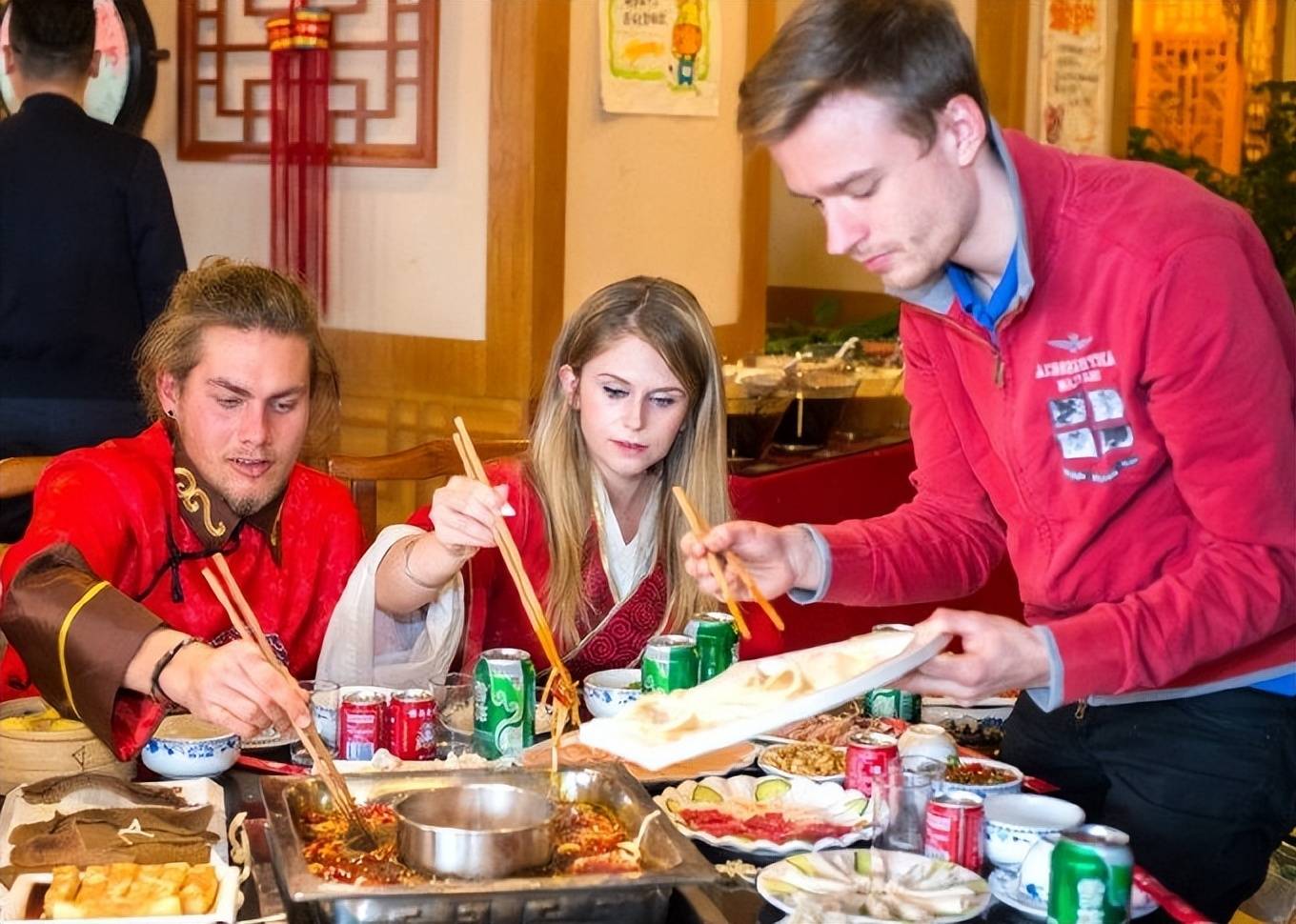
After hiking dramatic sandstone peaks during the day, visitors can end the evening around a hot table filled with spicy Hunan dishes and local rice wine — a uniquely Chinese travel memory that feels both cinematic and deeply personal.
Final Thoughts: Why Hunan Might Be China’s Most Underrated Food Destination
China has many famous culinary regions, but Hunan remains one of the country’s most emotionally powerful food experiences. It is intense without being pretentious, traditional without feeling frozen in time, and deeply local while still welcoming adventurous international travelers.
In Hunan, food is not treated as background entertainment. It is conversation, identity, hospitality, memory, and community all at once.
For travelers who want to move beyond surface-level tourism and truly taste the spirit of China, Hunan offers something increasingly rare in modern travel: authenticity that still feels alive.
发表回复